7 Board Games That Create Great Stories Without a Campaign Book
A board game can create a memorable story without telling you which paragraph to read next. A desperate commitment, an unexpected alliance, or a plan that collapses creates a sequence people can retell afterward. The rules establish pressure; the players give the events significance.
These seven games produce that effect in different ways. Some contain event text, but none requires a long linked campaign to make one session memorable. Choose the kind of story your group enjoys creating.
1. Specter Ops — a chase built from uncertain information

One agent records a hidden route through a facility, completes objectives, and tries to escape while hunters reconstruct the path from sightings. A confirmed position quickly becomes old information, so the memorable story comes from a narrow escape or a hunter correctly predicting the next destination.
Choose it for players who enjoy deduction and an openly adversarial chase. Learn movement and line-of-sight rules carefully so the hidden route remains trustworthy. The original Shadow of Babel and Broken Covenant are separate standalone versions; match the box to the rules you intend to teach.
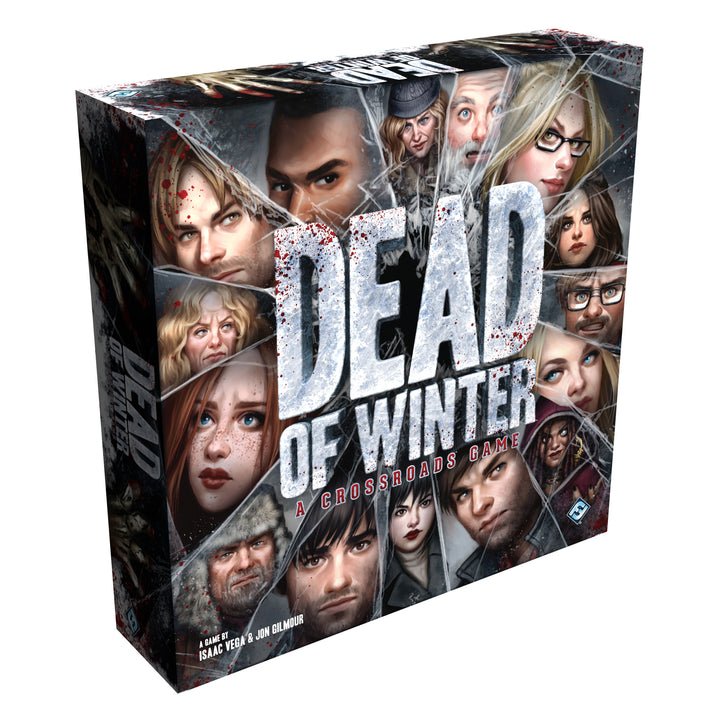
2. Dead of Winter: A Crossroads Game
Read the full Dead of Winter review and buying guide →
The colony must manage a shared survival problem while players also pursue individual objectives. Crossroads cards can introduce events when particular conditions occur, and the possibility of betrayal changes how contributions are interpreted.
Its stories grow from competing responsibilities: help the colony, protect a survivor, find supplies, and pursue your own requirements. Choose it for a group willing to discuss difficult priorities. It is a substantial game, so the theme alone is not a reason to spring it on casual guests.
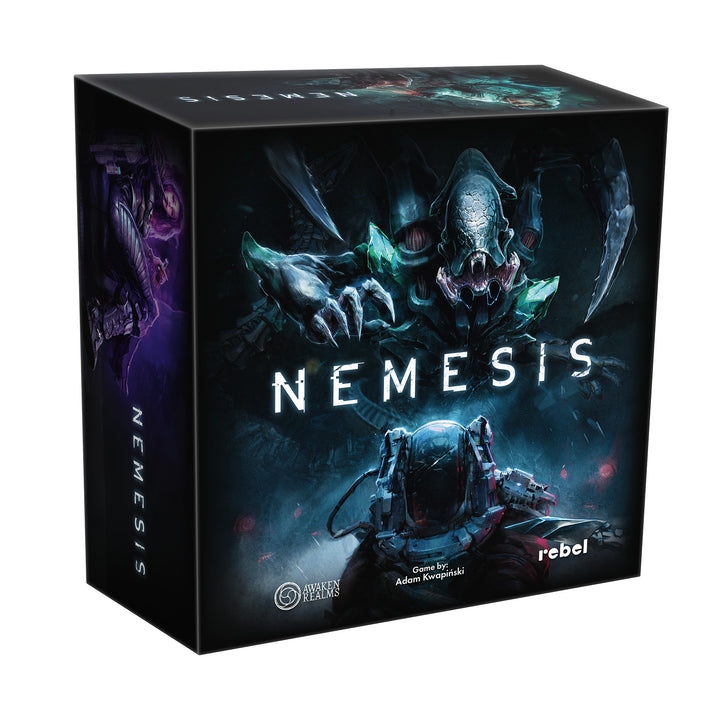
3. Nemesis
Read the full Nemesis review and buying guide →
A damaged spaceship, dangerous intruders, and hidden objectives create reasons to cooperate without assuming every passenger wants the same ending. A route to safety for one character may expose another to a threat.
Choose it when the group wants a demanding survival scenario with uncertainty and possible betrayal. Read the specific version's objectives and player-count rules. It is a weaker fit for players who require reliable control or strongly dislike elimination. The memorable disaster is part of the attraction, not an incidental defect.
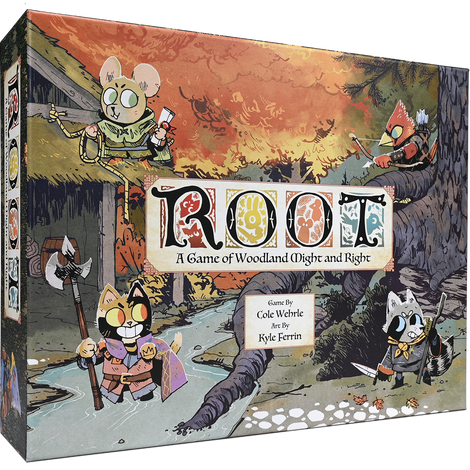
4. Root: A Game of Woodland Might and Right
Read the full Root review and buying guide →
Woodland factions compete through different systems. The Marquise builds an economy, the Eyrie manages an expanding decree, the Alliance develops resistance, and the Vagabond pursues a personal route through relationships and actions.
The story comes from those systems colliding. A seemingly quiet faction can become decisive because everyone was watching a more obvious army. Choose it for players interested in learning both their own tools and the opponents' incentives. Charming animals do not make it an effortless first game.
5. Heat: Pedal to the Metal

Read the full Heat: Pedal to the Metal review and buying guide →
A race naturally supplies a story: an early lead, a dangerous corner, a recovery, and a final push. Card choices and heat management give players ownership of the risk rather than making the result only a sequence of random moves.
Choose it if your group wants a clear finish line and visible changes in position. Begin with a basic race. Optional modules are useful when the group wants another layer, but the first story does not need a large collection of added systems.
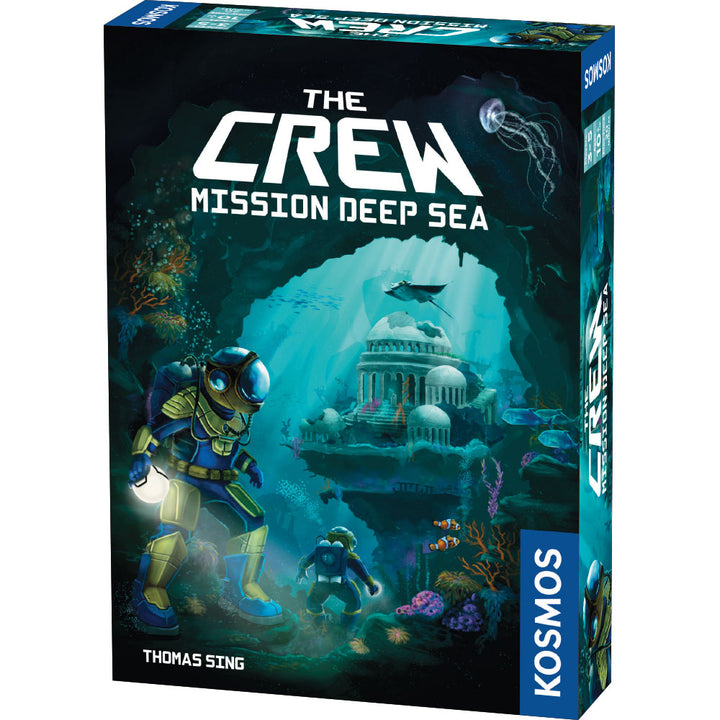
6. The Crew: Mission Deep Sea
Read the full The Crew: Mission Deep Sea review and buying guide →
Cooperative trick-taking asks players to complete tasks with constrained communication. A small card decision can therefore become a rescue of the group's plan or the reason it fails.
Its stories are compact: somebody understood the clue, saved the right card, and made the final trick possible. Choose it for friends who enjoy concentration and learning a shared rhythm. The mission structure supplies changing challenges without requiring a large fictional campaign to matter emotionally.
7. Cosmic Encounter
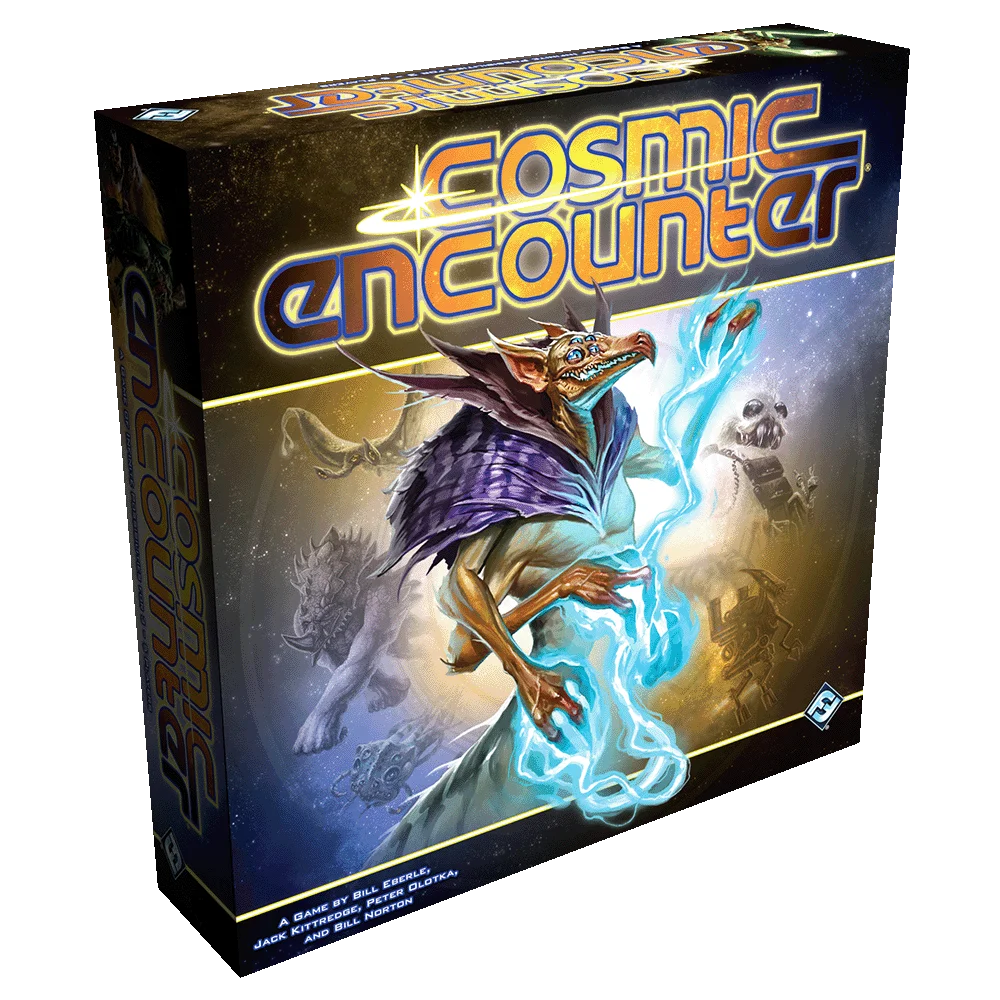
Read the full Cosmic Encounter review and buying guide →
Different alien powers complicate a contest for colonies, while invitations to ally make diplomacy part of individual encounters. A temporary partnership can benefit both players and then become inconvenient almost immediately.
Choose it for a group that enjoys negotiation and surprising powers. Do not promise a perfectly symmetrical contest. The appeal is watching different advantages reshape relationships. Make the relevant abilities clear before the first important deal, so surprises come from decisions rather than a forgotten explanation.
Pick the story's source
For a hidden-movement chase, consider Specter Ops. For a survival scenario, consider Dead of Winter or Nemesis, with attention to their different preparation and social demands. For a story arising from asymmetrical strategy, choose Root. For dramatic position changes, choose Heat. For shared inference, choose The Crew. For shifting alliances, choose Cosmic Encounter.
After play, ask what moment changed the session. That one decision often reveals why the game worked for the group. You do not need to record every turn; you need a game whose choices create events people care enough to remember.
Find the book or game
As an Amazon Associate, B3 earns from qualifying purchases.