How to Choose a Board Game Everyone Will Actually Learn

Choosing a game everyone will learn begins with reducing the number of things they must understand before the first turn. A cheerful box and a short age recommendation do not tell you whether the game has a clear entrance. Look for a visible goal, a manageable decision, and feedback that helps the next turn make more sense.
The aim is to invite people into an enjoyable activity. It is not to prove that a particular game is easy and therefore anyone struggling with it must be the problem.
Start with the actual players
Count the people who will be present, not the people you hope may eventually join. Check reading needs, language familiarity, comfort with arithmetic, and whether everyone wants direct competition.
Also distinguish enthusiasm from energy. A person who likes strategy may still want a light game after a long workday. Ask whether the group wants to learn something substantial tonight or start quickly.
A useful first filter is the realistic session: two people after dinner, a family afternoon, or eight friends talking over snacks. Each asks for a different structure.
Look at what a beginner does on turn one

Imagine explaining one legal turn with the components in front of you. Can you connect the action to the goal without describing the entire rulebook?
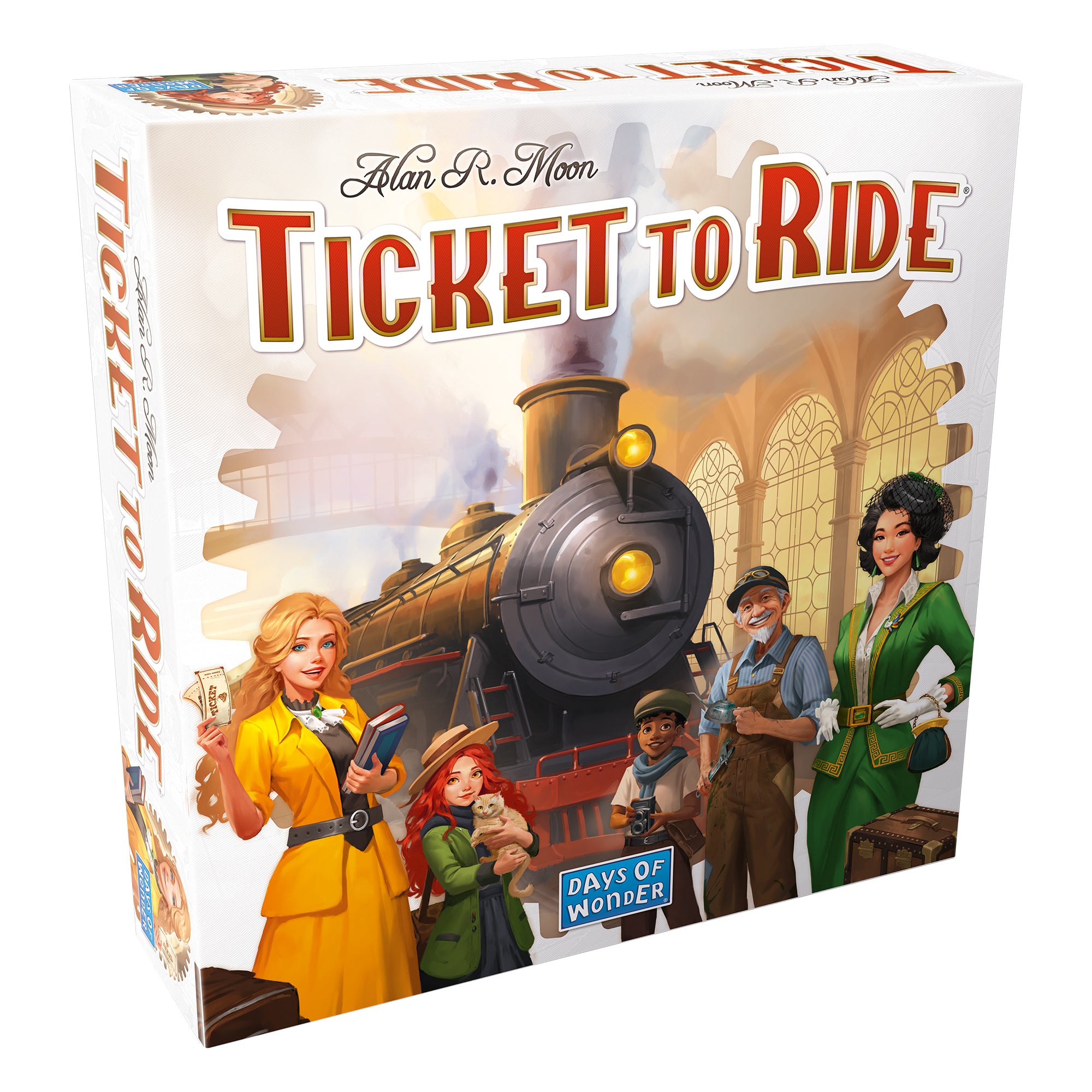
In Kingdomino, selecting and placing a terrain tile creates something visible, and a small scoring example explains why matching areas and crowns matter. In Ticket to Ride (complete gameplay guide), collecting cards and claiming a route connect directly to destinations on a map.
Neither example means every decision is trivial. They provide a clear first action whose importance can become richer as the game develops. That is an inviting learning curve.
Separate simple actions from hidden demands
A game may have only a few actions but require a lot of reading, memory, or prediction. That can be enjoyable, but it belongs in the invitation.
Decrypto uses an approachable clue structure while asking teams to track connections across rounds. Wingspan has a bounded action menu but many individual bird abilities. Calling either “easy” without describing that demand leaves new players unprepared.
Look for the kind of thinking your group already enjoys. A crossword fan may happily learn word deduction, while a visual puzzle fan may prefer tile placement. Familiar interests provide a bridge without guaranteeing a particular game's success.
Teach the finish early
Players need to know how the game ends and how victory is determined. Otherwise they may spend the first half doing something that looks productive but does not contribute to the score.
Demonstrate one scoring example before play. If there are several ways to score, explain the main categories and keep a reference visible. You can introduce rare exceptions when relevant, but important penalties and irreversible risks need advance explanation.
For a cooperative game, describe the loss conditions as clearly as the goal. “We work together” is not enough to tell beginners what deserves urgent attention.
Use a teaching round without stealing decisions
Show a sample turn, then let someone take a real one. Ask whether they want a suggestion before offering it. If you narrate every move, the group learns to wait for instructions rather than understand the game.
When someone asks a question, answer the current question first. A detour into advanced strategy may obscure the simple rule they needed. Keep the rules reference accessible so the teacher does not become the only source of permission.
If a major teaching omission affects a choice, acknowledge it and resolve it consistently. Protecting the learning experience matters more than winning a technically correct first game.
Keep a fallback and an ending

If the group wants cooperation and a quick start, our complete Just One guide explains the clue-writing loop, family fit, and the rules that are easy to miss. It is a useful fallback for people who enjoy word associations rather than managing a board.
Choose a shorter backup whose player count fits the same group. If the first game's demand is wrong for the room, switching is useful hosting rather than failure.
Set a reasonable finish time and offer a replay if people enjoyed learning. A second game of the same title often lets beginners experience their own ideas working. That can be more rewarding than immediately introducing another set of rules.
Choose the game that makes the first meaningful decision clear and gives the group room to discover the rest. The best recommendation is one the people can realistically use tonight.
A next step for two players who want a card game
If two people in your group want to try a tactical trading card game, our Star Wars: Unlimited starting guide explains the learning route and first purchases. Use complete starter decks for the first session, and make sure both players want head-to-head competition before adding deckbuilding to the evening.
A concrete example: teaching Azul
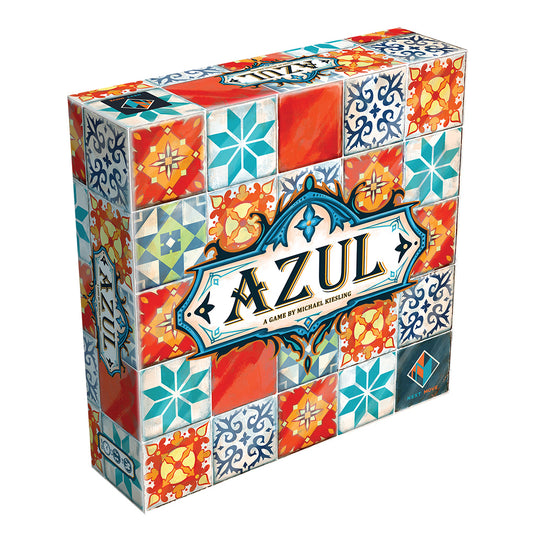
Azul is useful for this approach because a turn begins with one visible selection. Teach where the chosen tiles can legally go, then demonstrate a completed pattern line becoming one wall tile. Explain floor penalties before the first draft so a beginner can recognize a costly choice.
Our full Azul guide covers the draft, scoring, common mistakes, and whether its competitive edge suits your group.
Find the book or game
As an Amazon Associate, B3 earns from qualifying purchases.