What Makes a Board Game Immersive? Choose the Experience You Want
Immersion is the moment you stop translating every component into an instruction and start caring about the situation those instructions create. It does not require forgetting the rules. Often, the rules are exactly what make the imagined situation feel real.
A player can be absorbed in a tactical puzzle, a mystery, a political argument, or an unfamiliar landscape. Calling all four “immersive” is reasonable, but it does not help someone choose a game. I would ask what kind of attention they want to give and what tends to break it.
Here is a practical way to identify that experience before committing to a large box.
First, separate atmosphere from agency
Atmosphere gives you a reason to enter: art, sound, language, physical presentation. Agency gives you a reason to remain: a decision whose outcome you care about and can influence.
Imagine a beautifully illustrated ship exploration game. You reach a damaged vessel, but every option leads to the same reward and the same next scene. It may be pleasant to look at, yet your participation has little weight. Now imagine a plain map where rescuing the crew costs the time needed to warn another harbor. The presentation is modest, but the choice creates involvement.
Neither example proves that beauty is unimportant. It shows why atmosphere and agency should be evaluated separately. A game benefits from both, but expensive components cannot repair decisions that feel empty.
Exploration: immersion through unanswered questions
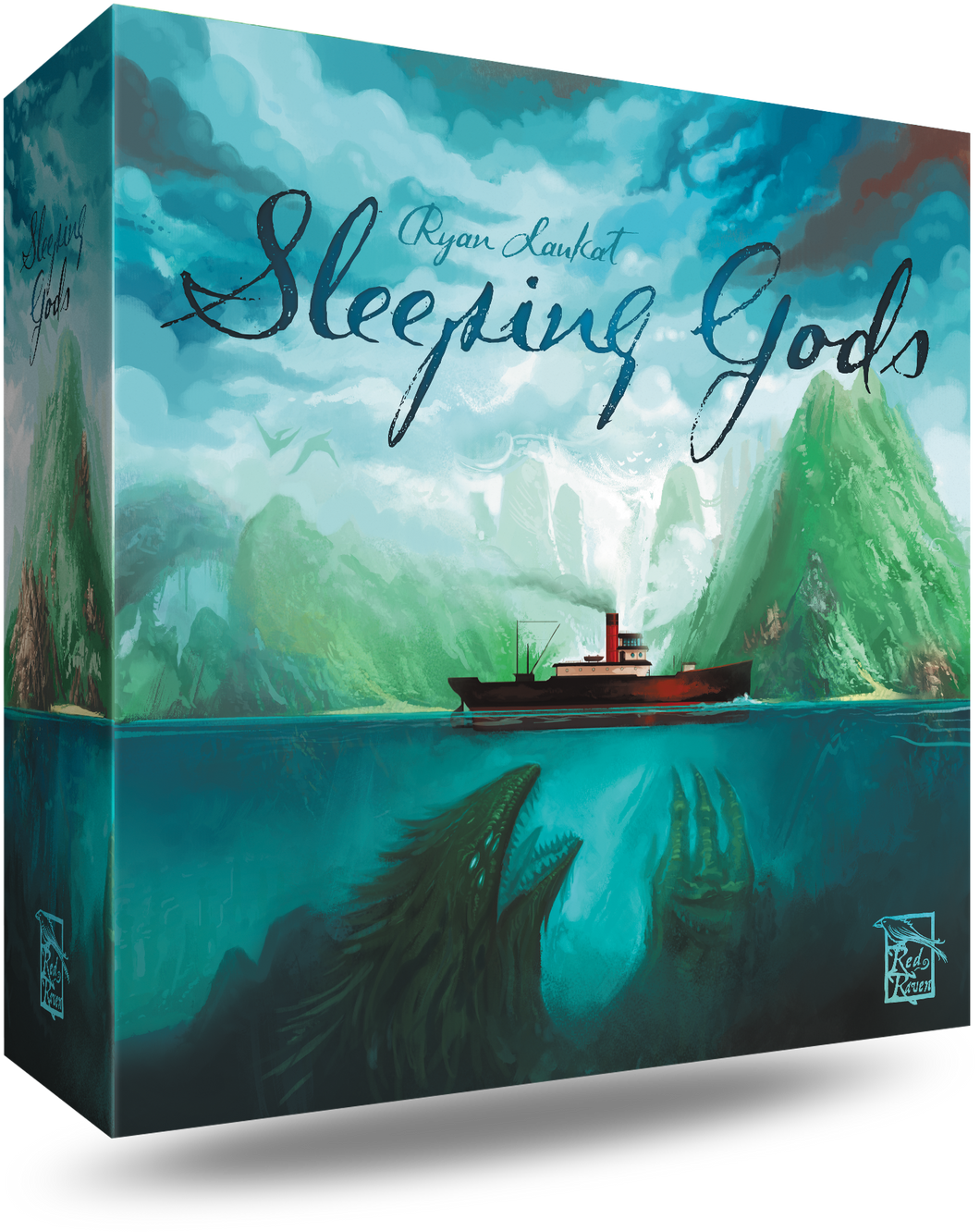
Sleeping Gods is a useful reference point for players drawn to exploring a connected place. What sustains attention is not simply seeing another location. It is wanting to follow a lead and understanding why the route matters to the group.
Look for: information that changes your priorities, a manageable way to record leads, and enough structure that choosing a direction feels satisfying.
Likely interruption: spending long stretches deciding what to do because nobody remembers the available possibilities. The group can address some of that with a short shared note, but a player who strongly prefers explicit objectives may want a more directed experience.
Your test: after one session, can everyone name a place they want to revisit and a reason beyond “we haven't finished it”? That is a stronger sign of exploratory investment than the size of the map.
Development: immersion through building a civilization
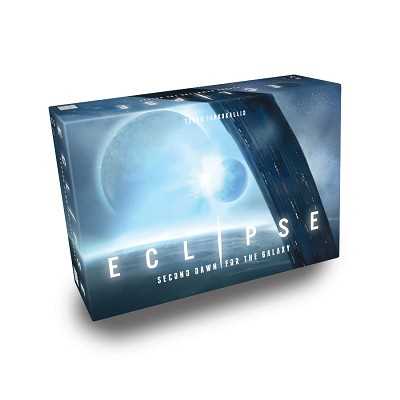
Eclipse: Second Dawn for the Galaxy offers immersion through a civilization taking shape. Exploring star systems, researching technology, and building ships connect immediate choices to a larger plan. The setting becomes convincing when the fleet you can afford reflects the economy and priorities you developed.
Look for: changes you can explain through earlier decisions. The attraction is not only commanding impressive ships; it is understanding why your civilization has those ships and what it gave up to obtain them.
Likely interruption: a substantial strategy teach and the need to compare resources, technologies, and military threats. This is a competitive game for players who enjoy managing a system, not a short story-led introduction.
Your test: after a session, can you describe how your civilization changed and identify a choice that redirected it? If the answer is only a score, discuss whether the development itself was satisfying or whether you mainly wanted a different kind of immersion.
Politics: immersion through other people's motives
Read our complete Twilight Imperium Fourth Edition guide →
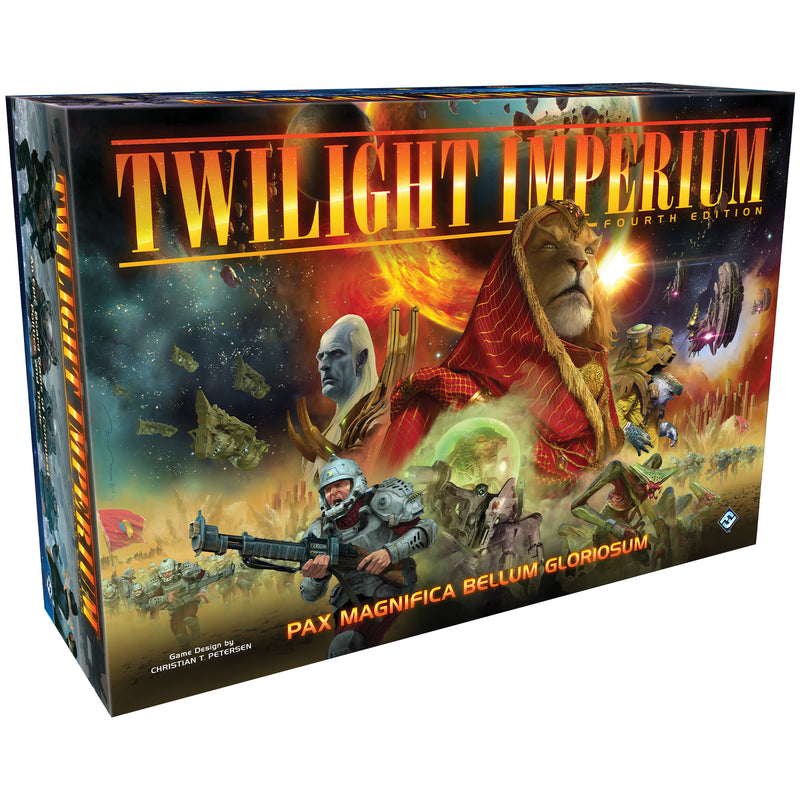
Twilight Imperium makes political attention part of a large strategic contest. Players can become absorbed by interpreting why someone supports a particular outcome, which rival needs a deal, and when a temporary alliance stops being useful.
Look for: public information that makes motives partly readable and private incentives that prevent the answer from being obvious. A deal becomes interesting when each side has a reason to accept it and a reason to hesitate.
Likely interruption: a mismatch in conversational appetite. If one person enjoys extended persuasion and another wants decisions resolved quickly, the game cannot automatically reconcile the difference.
Your test: can the table explain an opponent's move in terms of their position rather than dismissing it as random? Political immersion begins when another player's perspective becomes part of your thinking.
Sensory uncertainty: immersion through what you cannot see
Read our complete Nyctophobia: The Hunted gameplay and buying guide →
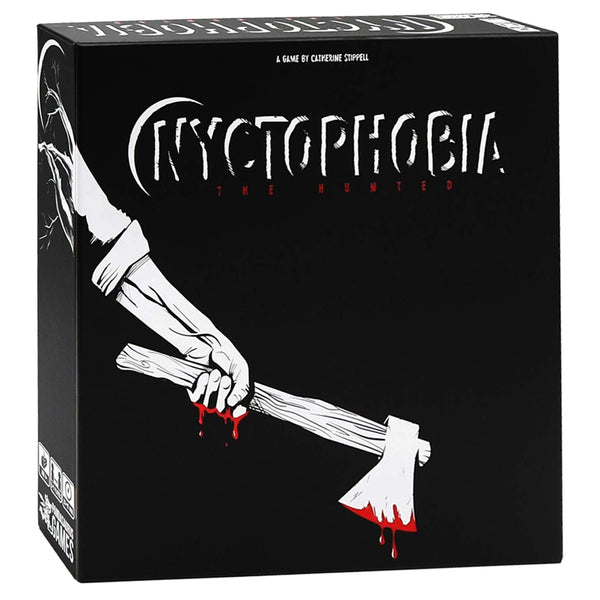
Nyctophobia changes the information you can perceive. The hunted players wear blackout glasses and navigate a forest maze by touch, memory, and communication, while a sighted hunter pursues them. Losing your reliable overview of the board makes a short move feel consequential.
Look for: a sensory restriction that creates meaningful decisions. Describing a dead end or remembering a safe route becomes part of helping the team survive.
Likely interruption: discomfort with blackout glasses or confusing physical guidance. Ask everyone whether they want this experience, teach the touch and movement limits, and choose a hunter who will explain the rules fairly.
Your test: did the missing information make cooperation more interesting, or simply frustrating? This is a very specific form of immersion, not a universal recommendation. Look for The Hunted edition; Vampire Encounter has different hunter rules.
Mastery: immersion through a plan that finally works
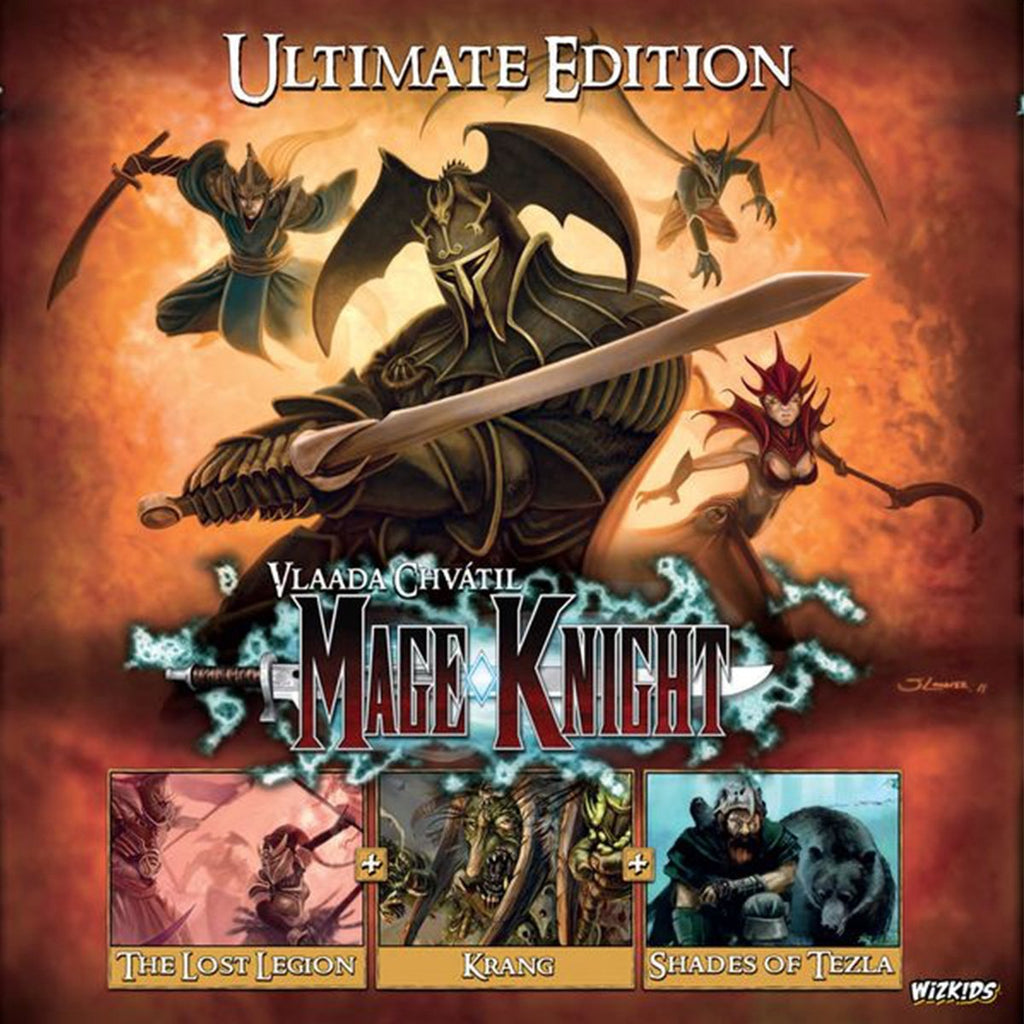
Mage Knight is a useful example for someone who becomes absorbed by calculating a route through constraints. The imaginative experience comes from making capability tangible: resources and abilities combine into something you could not accomplish earlier.
Look for: decisions that reward understanding while still offering more than one sensible route. Planning should feel like making a character effective, not merely filling in an answer sheet.
Likely interruption: an amount of calculation greater than the group enjoys. A game can be excellent for concentrated solo play and a poor fit for a conversational evening.
Your test: did solving the turn feel like the point, or did you wish it would end so the story could continue? That answer tells you whether strategic mastery is the immersion you want.
Evaluate the interruptions honestly
A rules lookup, a joke, or a snack break does not automatically destroy immersion. The important question is whether the group can return to a meaningful decision afterward.
I would pay closer attention to four recurring problems:
- Administrative overload: the table spends more attention maintaining the system than using it.
- Unclear stakes: people know the available actions but cannot tell why the choice matters.
- Unequal participation: one person continually decides while the others handle components.
- Mismatch of purpose: some players want concentrated drama and others want casual company.
The first may improve with practice or organization. The second may need a better explanation. The third requires a table habit such as asking before giving advice. The fourth usually calls for a different choice of game or a clearer invitation.
Use a short session review instead of an immersion score
Ask three questions: “When did you care most about what happened next?” “When did your attention drift?” “Which decision would you like another chance to make?” Record the examples, not just a numerical rating.
If people cared during tactical planning, choose another game with satisfying tactical choices. If they cared during council arguments, find more room for discussion. If they cared when uncovering a location, prioritize discovery and memory. This is more useful than declaring the session universally immersive or not immersive.
My buying rule is simple: choose the form of attention you enjoy sustaining. A game feels absorbing when its demands and its rewards pull in the same direction for your group. The ideal components and story presentation support that relationship; they cannot substitute for it.
Choose the experience, then the correct box
As an Amazon Associate I earn from qualifying purchases.
- Sleeping Gods — Amazon product listing
- Eclipse Second Dawn for the Galaxy base game — Amazon search
- Twilight Imperium Fourth Edition — Amazon product listing
- Search Amazon for Nyctophobia: The Hunted — compare edition and condition
- Mage Knight Ultimate Edition — Amazon product listing
Buying checks: Eclipse is shown in Second Dawn for the Galaxy; match the base box rather than an expansion. Nyctophobia is shown in The Hunted edition; check the version and completeness before buying. Twilight Imperium is shown in Fourth Edition, and Mage Knight in Ultimate Edition. Confirm the edition and contents before buying.
For more detail on exploration and campaign commitment, read our Sleeping Gods review. Browse more individual games or return to the board-game hub.