10 Best Story-Driven Board Games for Narrative Game Nights

“Story-driven” covers several very different evenings. You might spend hours making tactical decisions between passages of fiction, explore a world by following leads, or create the drama through arguments with other players. Choosing by the amount of text in a box is a poor substitute for choosing the activity your group enjoys.
My strongest recommendation is to identify that activity first. These ten games are organized around what carries the story, with a reason to choose each and a reason to hesitate. They are alternatives, not ten interchangeable ways to recreate a tabletop RPG.
1. Roll Player Adventures — choices with consequences
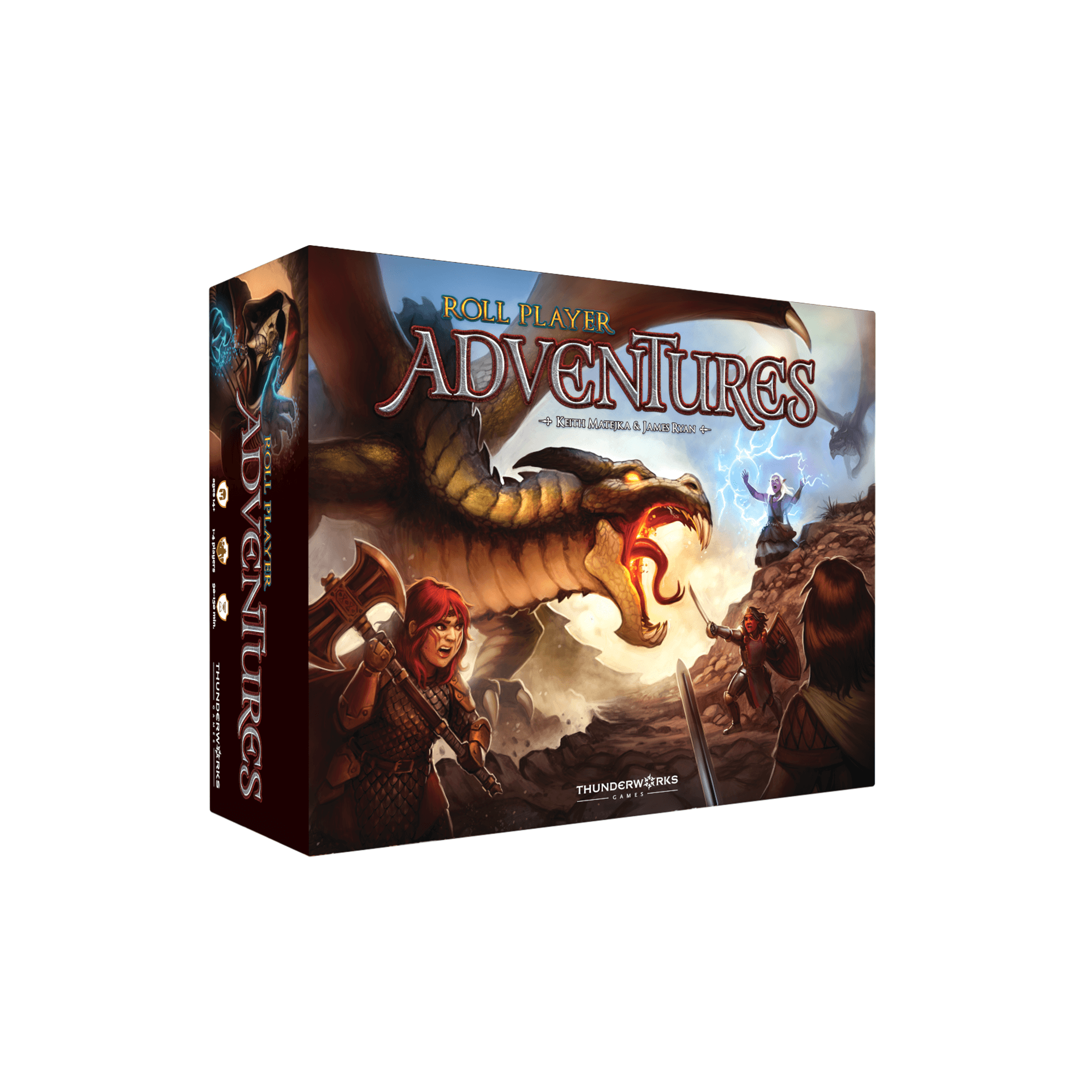
Choose this when the group wants a cooperative storybook campaign with characters whose decisions matter across sessions. Dice manipulation gives tests a puzzle to solve, while the narrative gives the group reasons to discuss which route to take.
The tradeoff: prepared choices cannot answer every improvised RPG plan. Start with the included pregenerated characters and record important decisions between sessions. This is a standalone campaign; the original Roll Player character-building game is optional and is not required.
2. Tragedy Looper: New Tragedies — changing the meaning of an earlier scene
Read the full Tragedy Looper: New Tragedies review and buying guide →

Choose this for a story you understand by testing it. One player is the Mastermind; the others are Protagonists trying to prevent a tragedy. Events repeat across time loops, but the players carry forward what they have learned. An apparently ordinary movement can look very different once you suspect a character’s role.
The tradeoff: this is adversarial deduction rather than a relaxed read-aloud adventure. Someone must prepare the Mastermind’s script, and the table needs patience for uncertainty. At the table: start with the teaching material and first introductory script. Keep observations separate from theories, and agree before each loop what you are trying to test. The story emerges from figuring out why events happen, not from choosing dialogue options.
3. Pandemic Legacy: Season 1 — responsibility under pressure
Read the full Pandemic Legacy: Season 1 review and buying guide →

Here the appeal is watching a familiar cooperative problem acquire lasting consequences. Decisions matter because the campaign changes the conditions under which future decisions will be made. It is a good choice when your group wants continuity without reading large amounts of dialogue.
The tradeoff: legacy changes require agreement about ownership and commitment. A dominant player can also make cooperation feel like following instructions. At the table: let the active player propose a move first. Agree before starting whether the group wants to continue after setbacks or replay where the rules permit.
4. Mice & Mystics: Sorrow and Remembrance — a chapter-by-chapter adventure
Read our complete Mice & Mystics gameplay and buying guide →

Mice & Mystics turns a castle into a dangerous landscape for heroes transformed into mice. Its Sorrow and Remembrance storybook connects cooperative scenarios, so you follow recognizable characters through an authored adventure while handling movement, combat, searching, and special chapter rules.
The tradeoff: storybook presentation does not remove tactical rules, dice uncertainty, or the possibility of replaying a failed chapter. The mouse heroes make the premise inviting, but younger players may need help with card text and keeping track of exceptions. At the table: have one person learn the first chapter, read its setup carefully, and explain the cheese wheel and chapter clock before play. Choose it for a shared adventure with character and continuity rather than a completely open story.
5. Stuffed Fables — a storybook adventure with a protective heart
Read the full Stuffed Fables review and buying guide →

Choose this for a shared adventure about stuffed toys protecting the child who loves them. Its storybook supplies the scenes and the physical play space, connecting the moment you read to the problem the table must solve. It has a different emotional center from a grim investigation: protecting someone small gives the adventure a clear purpose.
The tradeoff: the story still needs someone to manage rules and keep play moving. The toy cast also travels through a realm of nightmares, so check the tone with younger players instead of treating the cover as a complete age assessment. At the table: start with the first story, share the reading, and let the least experienced player make meaningful choices without having every move corrected.
6. Forgotten Waters — a lively shared adventure
Read the full Forgotten Waters review and buying guide →

Choose this for pirate adventure carried by personalities, events, and group reactions. Its app-assisted presentation makes the digital element part of the experience rather than an incidental convenience. The lighter social energy distinguishes it from a grim survival campaign.
The tradeoff: device access and audible narration matter. Players who dislike listening to presented story may become restless. At the table: test the app and sound before people arrive. Let each pirate develop a recognizable attitude, but do not let the funniest player consume every decision.
7. Earthborne Rangers — inhabiting a place
Read the full Earthborne Rangers review and buying guide →
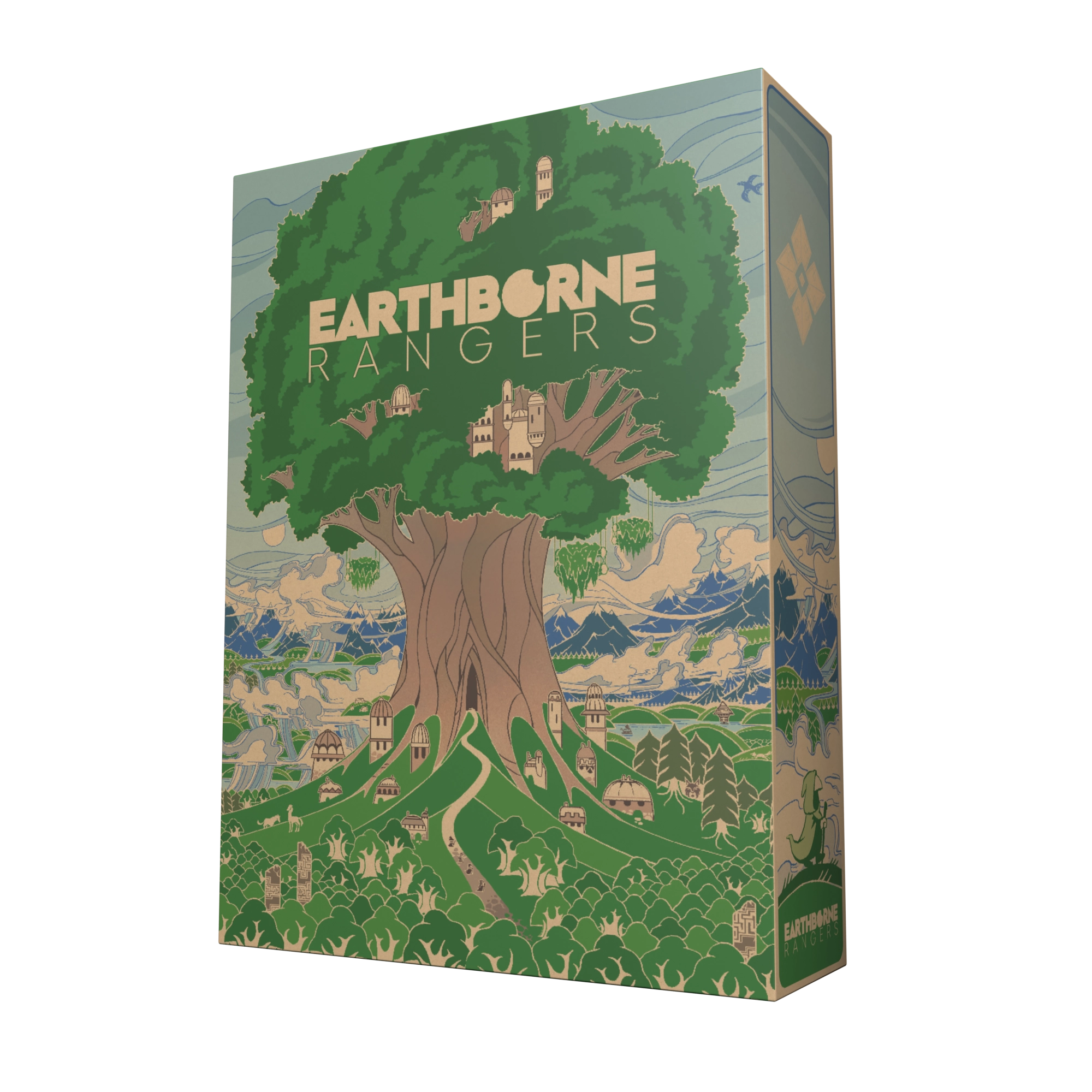
This is worth considering when the group wants exploration, ongoing relationships, and engagement with an environment rather than a constant sequence of boss fights. Its appeal is the sense that traveling and paying attention can be meaningful activities in themselves.
The tradeoff: a gentle-looking presentation should not be mistaken for an absence of systems to learn. At the table: give curiosity a practical outlet. Record one place or person each player wants to understand better, then use those interests to guide the next session instead of demanding that everybody pursue the most efficient route.
8. Specter Ops — the story of a narrow escape

A hidden agent completes objectives and seeks an escape while hunters turn sightings into competing theories about the route. Here the story emerges from pursuit: a false prediction, a carefully covered exit, or an agent slipping through the gap.
The tradeoff: this is an adversarial hidden-movement contest, rather than an authored campaign. Teach movement and line of sight accurately, separate confirmed sightings from guesses, and choose the original Shadow of Babel box deliberately; Broken Covenant is another standalone game.
9. Freelancers: A Crossroads Game — a complete adventure for one evening
Read the full Freelancers: A Crossroads Game review and buying guide →

Freelancers offers character creation, choices, dice, and an app-led fantasy adventure with a deliberately irreverent tone. Its quests aim to deliver a complete arc in one session rather than require everyone to protect a months-long campaign slot.
Choose it if: three to seven people want a noisy shared adventure and enjoy a strange world of jobs, monsters, and questionable decisions. A single-evening structure gives a variable-attendance group a clearer commitment than an open-ended campaign.
The tradeoff: the companion app is part of the experience, and comic mayhem is different from quiet literary atmosphere. Check the device and audio before inviting guests. Let each player own their character choices instead of making one enthusiastic reader the decision-maker for the whole group.
10. Sherlock Holmes Consulting Detective — collaborative interpretation
Read the full Sherlock Holmes Consulting Detective review and buying guide →

This is the strongest choice here when solving a case through reading, discussion, and inference is the desired activity. It asks the table to interpret material and decide where to investigate, making uncertainty the focus instead of tactical combat.
The pictured buying option is The Thames Murders & Other Cases, one specific standalone collection in the series. Its cases overlap with the earlier Ystari release, so owners of that edition should check before buying.
The tradeoff: an impatient group can turn the evening into one person reading while everyone else waits. At the table: maintain a suspect list and distinguish evidence from assumptions. Stop periodically to ask what finding would disprove the group's current theory. Choose a specific case collection; the title describes a series of boxes.
Make the final decision in five minutes
Ask each player to pick one preferred activity: tactical planning, exploration, bargaining, or investigation. Then ask how much continuity the group can actually support. A campaign that needs the same people is a different purchase from a case or scenario you can finish independently.
If the answers conflict, choose the smaller commitment. Play an introductory scenario or a self-contained case before investing in expansions. The best narrative game is the one your table wants to return to—not the one with the thickest storybook.
Find the games
As an Amazon Associate I earn from qualifying purchases.
- Roll Player Adventures — Amazon search
- Tragedy Looper New Tragedies — Amazon search
- Pandemic Legacy: Season 1 — Amazon search
- Mice & Mystics: Sorrow and Remembrance — the core game
- Stuffed Fables base board game — Amazon search
- Forgotten Waters base game — Amazon search
- Earthborne Rangers core set — Amazon search
- Specter Ops — Amazon search
- Freelancers: A Crossroads Game — Amazon search
- Sherlock Holmes Consulting Detective The Thames Murders and Other Cases — Amazon search
Check edition, language, seller, and box contents before buying. Searches may show expansions and accessories. If Earthborne Rangers is unavailable on Amazon, check the publisher’s official store links; the core set is the starting point.
Browse our board-game guides or find your next game.