7 Best Fantasy Board Games for Epic Adventures
“Epic adventure” can mean fighting through a dangerous room, managing the fate of a realm, or spending an evening deciding which shore to explore. Those are not the same experience, even when all three boxes show swords and monsters.
My preference is to choose the scale of the adventure first. Do you want one character's tactical decisions to matter? A party's discoveries? A wider network of rivals and institutions? These seven fantasy games offer different answers. The useful comparison is what you spend your turns doing and what kind of story those turns leave behind.
Gloomhaven: for people who want to earn the victory tactically
Read our complete Gloomhaven Second Edition gameplay and buying guide →

Gloomhaven makes sense when character development and repeated tactical challenges are central attractions. The campaign provides continuity, but the immediate work is deciding how to use a limited set of capabilities effectively.
What a turn asks of you: choose two ability cards, using the top action of one and the bottom of the other while your initiative determines when you act. Movement and attacks compete for that same hand. Spending a powerful loss action may solve this room while reducing your endurance for the rest of the scenario. That is the central attraction to test before committing to the campaign.
The fantasy it delivers: being a capable adventurer whose plans still have to survive contact with an encounter. A clever sequence can feel like a character accomplishment because you made it happen through play.
The cost: learning, setup, and attention. I would not choose it merely because a group enjoys fantasy novels. First ask whether they like thinking through movement, timing, and card use. If those decisions sound satisfying, the surrounding campaign can make them matter over time. If they sound like homework, a large adventure box will not improve the fit.
Buying check: the image shows Gloomhaven: Second Edition. Older Gloomhaven boxes, Jaws of the Lion, and the roleplaying game are different purchases. If you want a smaller teaching commitment, see our narrative-game starter guide before choosing the full campaign.
Dungeons & Dragons: Wrath of Ashardalon: for a more immediate dungeon expedition
Read our full Wrath of Ashardalon gameplay and buying guide →

Wrath of Ashardalon belongs to the D&D Adventure System family. Its appeal is a cooperative expedition with recognizable fantasy roles and encounters, without asking one player to prepare and run a freeform RPG session.
What a turn asks of you: move and use a hero power, reveal dungeon tiles as you explore, then resolve the system’s monsters and encounters. The dungeon grows as the party advances, so revealing more space is also accepting more uncertainty. I would teach the immediate scenario objective first; clearing every enemy is not automatically the point of every adventure.
The fantasy it delivers: a group entering dangerous spaces and responding together to what appears. I would pick it when the desired evening is closer to “let's explore a dungeon” than “let's maintain a personal campaign journal.”
The cost: the prepared system sets the boundaries of your actions. Someone expecting to negotiate with any monster or reshape the setting through improvisation is asking for a different kind of game. Familiar D&D imagery should not be mistaken for the full flexibility of a TTRPG.
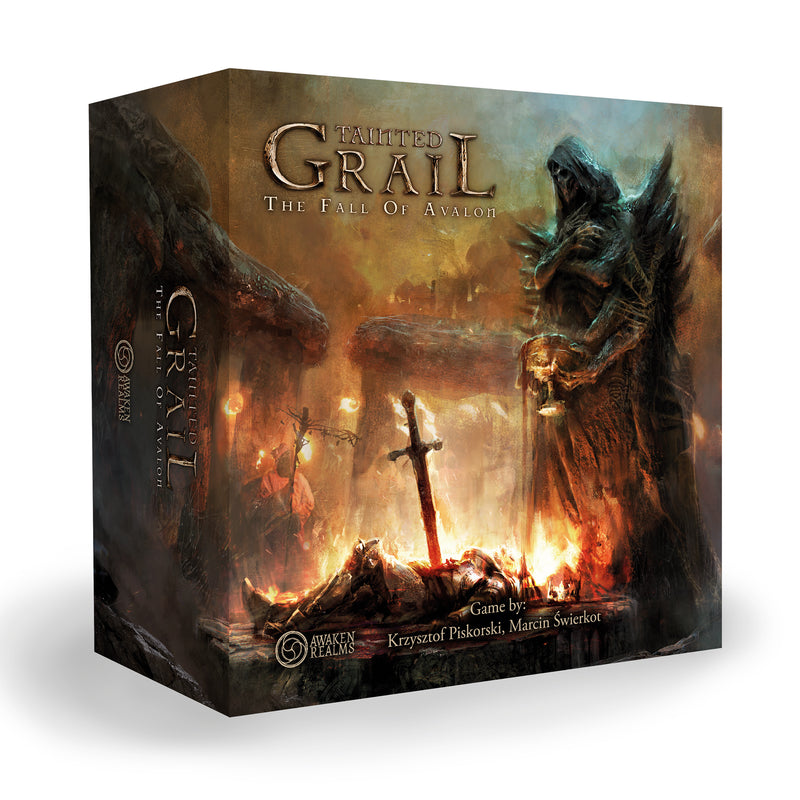
Tainted Grail: The Fall of Avalon: for discovery with a harsh edge
Read our complete Fall of Avalon gameplay, survival, and buying guide →
Tainted Grail offers a grim world in which moving forward can feel difficult and uncertain. I would choose it for a group deliberately seeking that mixture of atmosphere, exploration, and pressure.
What a session asks of you: spend limited energy on travel, exploration, and survival, then follow story entries and resolve encounters with your character’s cards. Keeping the menhirs active makes travel possible but consumes resources. The friction is intentional: pursuing a fascinating lead can leave the practical job of surviving tomorrow unfinished.
The fantasy it delivers: fragile people trying to understand and survive something larger than themselves. Discoveries can matter because reaching them takes effort.
The cost: the procedures of survival may compete with the desire to see the next scene. Ask whether your group enjoys managing constraints or primarily wants the story to keep moving. Also confirm the specific box and edition. Fall of Avalon and other Tainted Grail products share a name and setting family without being interchangeable purchases.
Mage Knight: Ultimate Edition: for the puzzle of becoming powerful
Read the full Mage Knight: Ultimate Edition review and buying guide →
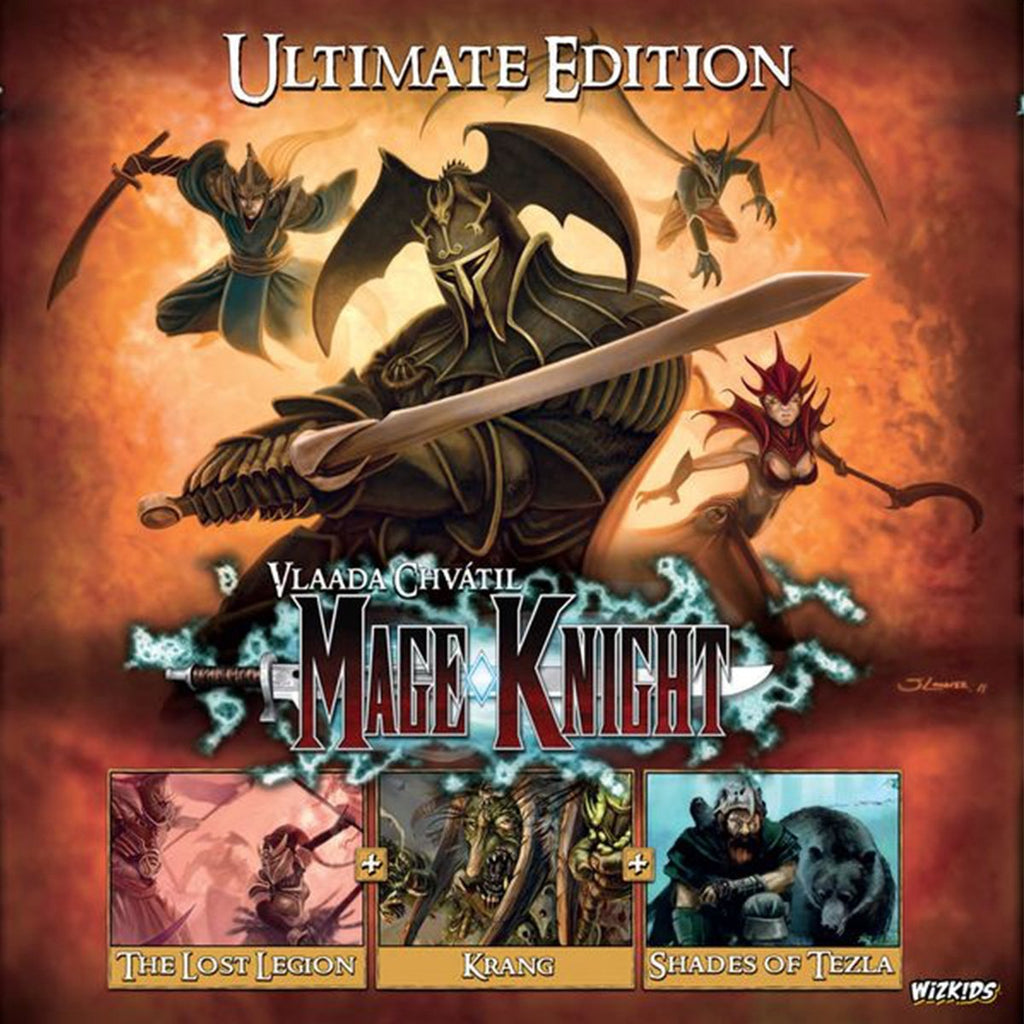
Mage Knight is my choice here for people who want an adventure expressed through a demanding strategy puzzle. Building capability, navigating the map, and working out how to overcome obstacles are the heart of the experience. Solo play is part of its appeal.
What a turn asks of you: turn a hand of cards, available mana, and recruited units into enough movement, influence, or combat strength to achieve a specific goal. A strong attack is only useful if you can reach the target and survive its response. I would choose this over a storybook campaign when solving that calculation is the adventure you want.
The fantasy it delivers: the growth from a constrained traveler into someone capable of confronting formidable challenges. Power feels earned when you can see how your hand and resources produce it.
The cost: substantial rules learning and calculation. I would not sell it as a dialogue-rich narrative campaign. Its story is largely the expedition you construct through decisions. Start with the prescribed introductory material and base systems rather than adding everything included in Ultimate Edition at once.
Descent: Legends of the Dark: for an app-directed tactical adventure, with a clear limit
Read the full Descent: Legends of the Dark review and buying guide →

Descent: Legends of the Dark combines a physical tabletop adventure with a required companion app. That suits a group that wants guided narrative structure and tactical encounters while sharing a digital tool at the table.
What a session asks of you: move heroes through a scenario built from physical terrain, fight enemies, and follow the app’s instructions as the quest unfolds. The app controls monsters and presents campaign developments; your group still makes the tactical decisions. Leave room for the terrain and a readable shared screen, then confirm the app runs on your intended device before ordering a box.
The fantasy it delivers: a structured adventure where the system presents and manages parts of the unfolding experience. The question is whether your group enjoys that blend, not whether screens are inherently good or bad for board games.
The cost: device dependence and the product line's status. Fantasy Flight announced in April 2026 that the line was being discontinued and Act III canceled. Existing Acts I and II can still be played using the app, but I would not recommend buying it in expectation of a completed future trilogy. Treat the available content as the purchase you are evaluating, and test app compatibility first.
Lords of Waterdeep: for running the institution behind the adventure
Read the full Lords of Waterdeep review and buying guide →

Lords of Waterdeep shifts the camera away from individual dungeon encounters. Its worker placement structure makes the fantasy city an arena of competing priorities and resource allocation.
What a turn asks of you: place an agent at a building to recruit adventurers, gain money, take quests, or play intrigue cards. Turning those resources into completed quests earns rewards, while your hidden Lord favors particular achievements. Buying a building creates another option for the whole table and can benefit you when others use it. This is managing the adventuring economy rather than rolling to hit a dragon.
The fantasy it delivers: being someone who mobilizes adventurers and influence rather than personally resolving each battle. I like it as a reminder that fantasy includes bureaucracy, patronage, and rivalry as well as swordplay.
The cost: the connection to epic adventure is indirect. You are not choosing dialogue for a hero or exploring a branching campaign. If that is what the group wants, this is the wrong box. If people enjoy an approachable strategic contest in a fantasy setting, the different perspective can be refreshing.
Buying check: the Renegade base-game printing shown here is a complete game for 2–5 players. Scoundrels of Skullport is a separate expansion; do not assume a listing includes it.
Sleeping Gods: for a party that wants to follow its curiosity
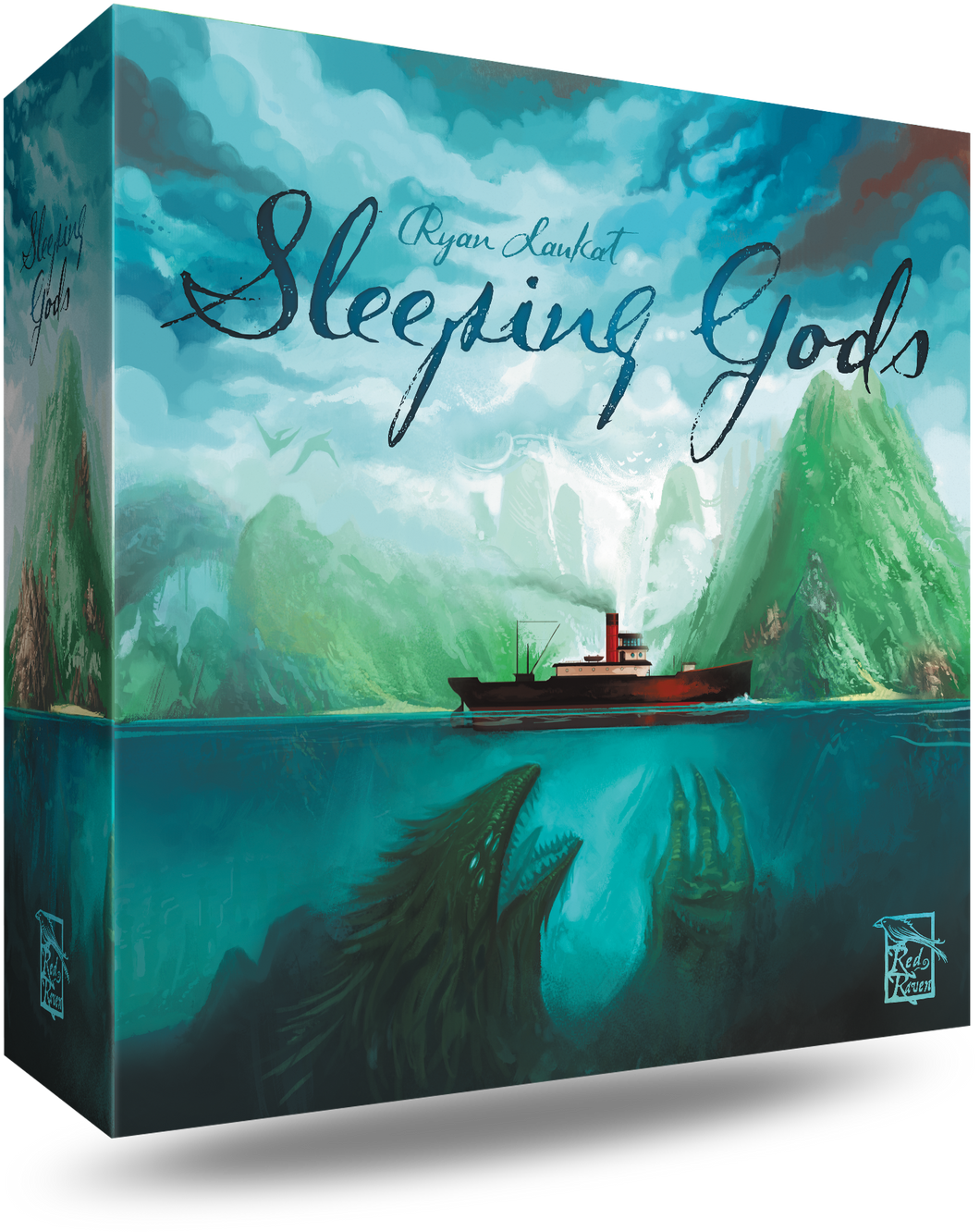
Sleeping Gods suits the exploratory side of fantasy. Its atlas and continuing journey give the group a place to investigate and reasons to wonder what lies beyond the next route.
What a session asks of you: guide the steamship Manticore through an atlas, manage its crew, choose locations to investigate, and read the corresponding story entries. Combat is diceless and rewards planning. An intriguing destination may also spend the supplies and attention needed for another lead, so curiosity becomes a route-planning decision rather than simply reading every paragraph in order.
The fantasy it delivers: being travelers in an unfamiliar world, choosing which discoveries deserve limited attention. A shared list of open questions can become as valuable as a list of completed objectives.
The cost: an extended commitment and the possibility of wandering without momentum. I would give each session a modest intention: investigate one lead, reach one location, or resolve one uncertainty. That preserves freedom while making the evening feel purposeful.
The choice I would make first
Ask every player to complete this sentence: “At the end of the evening, I want to remember the time we…” Defeated a difficult enemy? Found something strange? Outsmarted a rival? Survived a terrible decision?
Those answers reveal more than a general love of fantasy. Choose Gloomhaven or Mage Knight for a strong tactical or strategic center. Consider Wrath of Ashardalon for a more immediate dungeon outing. Choose Sleeping Gods for exploration, Tainted Grail for a deliberately harsh atmosphere, or Lords of Waterdeep for competition at the city level. Evaluate Descent with its app and discontinued future content plainly in view.
The epic part comes from investment. A smaller adventure that gives the group the decisions it enjoys will feel larger than an enormous campaign everyone is merely enduring.
Product-line update: reporting on FFG’s Descent discontinuation and Act III cancellation, April 2026.
Buy the game discussed here
Match the full title and edition to the box above. An expansion, miniature pack, or digital version will not substitute for the base game. Search links are labeled where an exact Amazon listing has not been verified.
As an Amazon Associate I earn from qualifying purchases.
- Gloomhaven: Second Edition — Amazon search; check edition
- Dungeons & Dragons: Wrath of Ashardalon — Amazon product listing
- Tainted Grail: The Fall of Avalon — Amazon search
- Mage Knight: Ultimate Edition — Amazon product listing
- Descent: Legends of the Dark — Amazon search
- Lords of Waterdeep — Amazon search
- Sleeping Gods — Amazon product listing
For a closer look at crew management, exploration, and buying the original box, read our full Sleeping Gods review.
Before the first session
Choose one base game and its introductory scenario. Keep expansions aside until the group understands the core decisions. For Mage Knight, Ultimate Edition bundles the base game with The Lost Legion, Krang, and Shades of Tezla; that is useful variety for later, not a reason to teach every module immediately. For Sleeping Gods, the official rules reference can help the group check procedures during play.
Browse individual game reviews or return to our board-game guides for more comparisons and game-night ideas.