Wilds Unknown Buying Guide: Pixar Cards, Boosters, and the Two-Player Set
Affiliate disclosure: As an Amazon Associate, B3 earns from qualifying purchases.
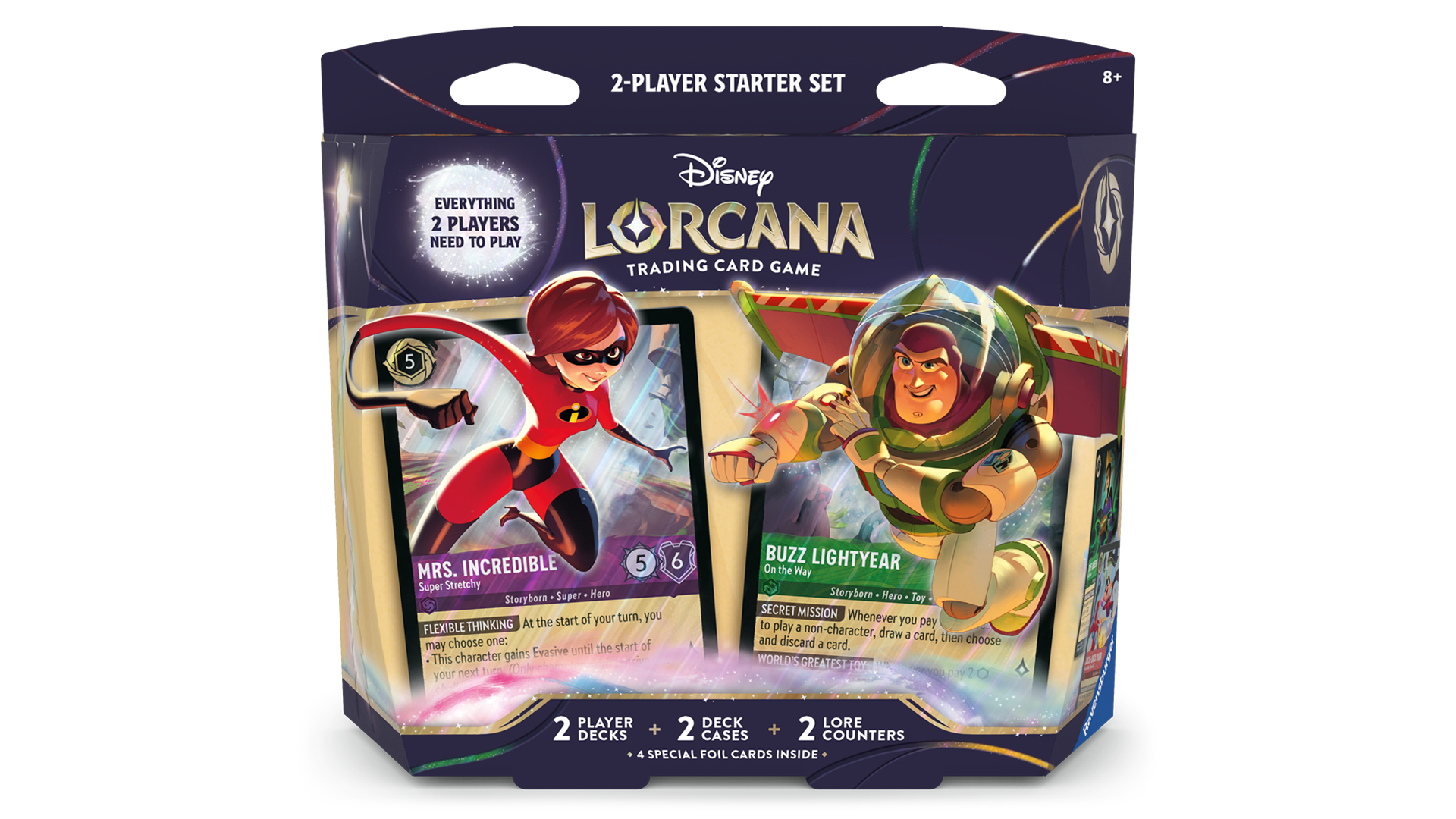
Wilds Unknown is a natural entry point for someone whose favorite Disney stories are Pixar stories. Toy Story, The Incredibles, and Brave give the set a strong identity, while the accompanying two-player starter product answers a more practical question: how can two people get a first game onto the table?
Those are related purchases, but they are not identical. The set’s boosters expand a collection. The two-player box supplies curated decks. I would decide which experience I wanted before comparing prices, because the cheapest-looking pile of packs may leave both players without a coherent deck.
Start with the distinction between the set and the starter
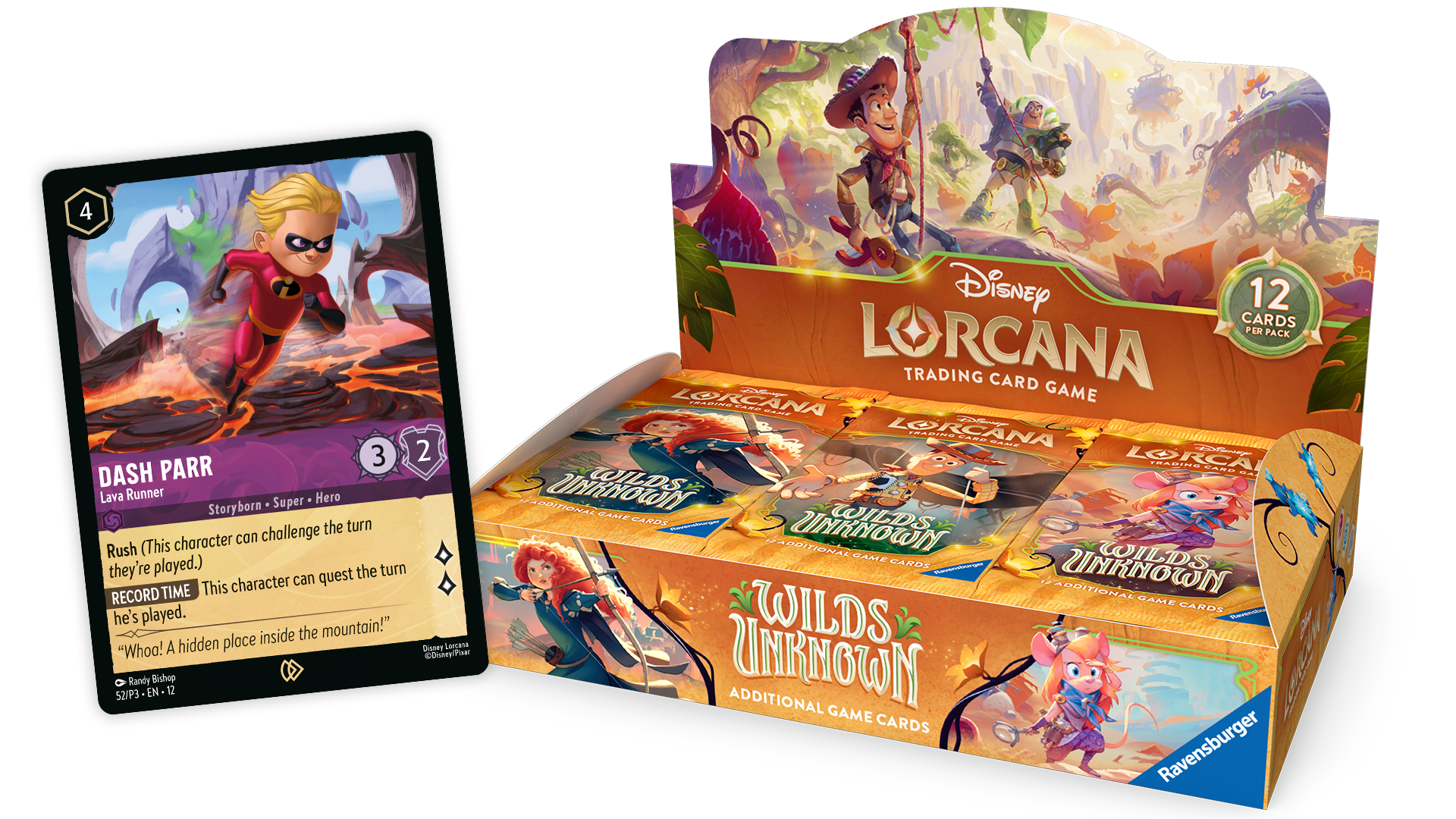
Wilds Unknown is a numbered card set. Its display, individual packs, Trove, and prerelease box are different ways of buying random cards and accessories associated with that release. The two-player starter contains two selected sixty-card decks and supplies needed for play. A starter can include cards from more than the set whose launch accompanies it.
That last point matters when you browse an unboxing and assume every card came from the same booster pool. Curated decks are built to function together. A set label on a retail display does not tell you that every card in a nearby beginner product is exclusive to that expansion.
For a couple learning together, I would usually choose the two-player product first. For someone who already has decks and wants Pixar cards, I would start with the gallery and choose between a small opening and exact singles. The first buyer needs a playable matchup; the second needs additions to an existing collection.
What the Pixar theme does, and does not, promise
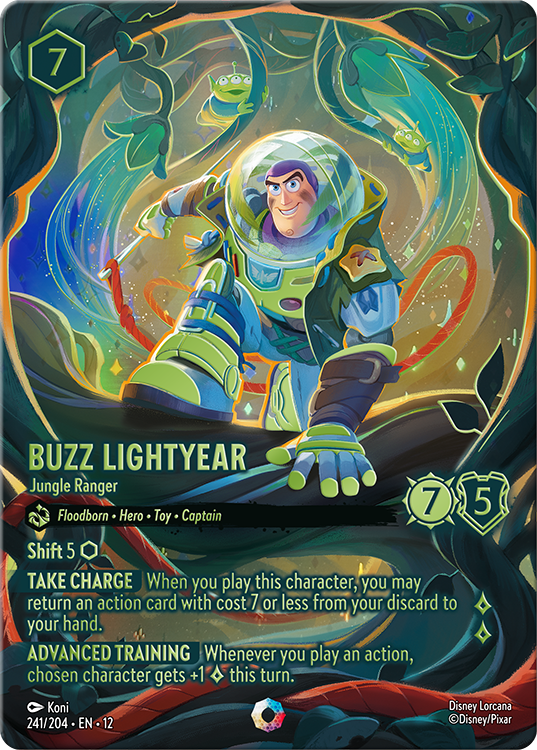
The set introduces glimmers from Toy Story, The Incredibles, and Brave. That is a strong collector reason to explore it. It does not mean every card featuring the same film works in one legal two-ink deck, or that every favorite character will appear in a particular box.
When evaluating a film-themed deck, sort the candidates by ink before choosing the most exciting abilities. Then check costs, inkability, and ordinary early plays. You may discover that your preferred theme works best as a small group inside a broader deck, rather than a rule that every card must come from the same movie.
I would keep “favorite story” and “deck role” as two columns in a collection list. A card can be important to one column without being useful in the other. That avoids the frustrating conclusion that a beloved illustration was a bad purchase just because it never became a competitive card.
Packs and displays
The display is the larger random-card purchase, while single packs let you set a smaller opening budget. Compare equivalent pack counts, language, and delivered price. Check whether a listing is for a full sealed display, one pack, or an assorted item using a display photograph.
I would be particularly cautious about mentally allocating a display’s contents before opening it. “These packs will finish my Buzz deck and supply my friend’s Incredibles deck” assumes useful cards will be distributed conveniently. Random contents can leave both lists incomplete. If the lists are already known, compare the singles first.
Opening together can still be worth paying for as entertainment. Give it a defined scope: a few packs each, a binder-sorting evening, or a properly organized limited event. That turns the purchase into an activity with a clear finish instead of an expanding attempt to recover the cost through the next rare card.
The Trove is the storage option
The Wilds Unknown Trove combines eight packs with a storage box, a lore counter, and six damage dice. Its strongest case is a new collection that needs a home and trackers. The case is weaker if the accessories will join a shelf full of unused counters.
Use the delivered price of eight equivalent packs as your baseline. The remaining amount is what the accessories and presentation need to justify. Treat their value as personal usefulness, not an assumed resale price. A collector who loves the box illustration may value it more than a player who already stores every deck in a labeled case.
The prerelease box buys more than a pile of cards when you attend
Wilds Unknown introduced Lorcana’s prerelease boxes. The official product describes six packs, four themed damage dice, a biome postcard, and a traveler promo card. When bought as part of an event, the experience can include learning, opponents, and a structured way to try the new cards.
A retail box by itself does not include admission to an event. Check the organizer’s event page for registration, format, deckbuilding instructions, and what the entry fee supplies. The physical package and the store’s event are separate things even when one is distributed through the other.
If you attend for the first time, I would tell the organizer you are learning. Ask how much time is available for deckbuilding and whether basic supplies are provided. Bring sleeves and a way to track lore if you have them, but do not buy a large accessory kit before knowing what the venue actually requires.
A practical route after the first two-player games
Play both stock decks several times, then swap them. Look for a repeated decision rather than judging only the final score. Did one player leave a singer unused? Did an expensive character sit in hand while early ink was missing? Did both players spend so long challenging that neither developed a lore plan?
Choose one small improvement for one deck and test it. Preserve the original list so you can reset the matchup for teaching. If the aim is family play, keeping two decks near one another in strength may be more valuable than turning one into a much stronger constructed project.
If both players want independent deckbuilding, agree that the training matchup is finished and build separate lists. That is a perfectly reasonable next step. The problem is not improving a deck; it is expecting a stock starter to remain an equal opponent for a deck that has been substantially rebuilt.
My recommendation
Wilds Unknown offers a particularly friendly connection between familiar characters and a real two-player starting product. I would use that product for immediate play, choose a Trove when I also need storage, and treat boosters as optional exploration rather than required homework.
For a dedicated Toy Story, Incredibles, or Brave collection, start with an ordinary-card checklist before committing to premium treatments. For a specific deck upgrade, buy the named cards once the experiment has a clear purpose. The theme can be the reason you begin; a concrete plan should guide what you buy next.
Find the product
View Wilds Unknown booster display on Amazon. Confirm the selected quantity, language, seller, and delivered price.
Continue with B3’s Lorcana guides
Browse all Lorcana guides · Learn to play · Compare your first purchase.
Sources and scope
Checked October 21, 2026: official Wilds Unknown products and card previews, current rules and release notes, and the official rotation explanation. Product facts and printed mechanics are separated above from B3’s proposed buying and practice methods. Prices in worked examples are hypothetical; live prices, stock, event availability, and pull odds are not promised.