Dangerous Magic in RPGs — Three Different Ways Power Can Cost You
Amazon links are affiliate links. As an Amazon Associate I earn from qualifying purchases. Search results and availability vary.

Dangerous magic works when its cost changes a player's decision. A spell that is always the best option despite a decorative warning has little meaningful danger. A spell whose consequence is unknowable until after it is cast may simply discourage players from engaging with the system.
Different games make power costly in different ways. Physical exhaustion, immediate strain, and contact with something psychologically destructive are distinct experiences. Choose the approach that supports your campaign instead of treating every cost as interchangeable “corruption.”
Cost one: less room for other things

Search Amazon for Cairn roleplaying game
Inventory-based games can make magical effort compete with practical preparedness. In Cairn, spellcasting and Fatigue connect supernatural ability to the character's limited carrying capacity. Space used by strain is space unavailable for other useful items.
The interesting question is what the expedition can afford. Casting now might help cross a dangerous obstacle while reducing flexibility later. The magic-user's choice belongs to the group's broader discussion about equipment, rest, and the return journey.
An original scene illustrates the appeal: a party needs to move an injured explorer through a flooded passage. A spell can make the crossing safer, but the caster is already carrying essential supplies. The group can redistribute gear, find a dry route, or accept a less comfortable return. The cost invites cooperation.
Do not describe this as automatically making magic evil. Capacity and exhaustion are logistical pressures. They can produce difficult choices without changing the character's morality or personality.
Cost two: strain within a larger action economy
Read B3’s Blades in the Dark guide →

Search Amazon for Blades in the Dark roleplaying game
Blades in the Dark uses Stress for several important purposes, including pushing actions and resisting consequences. Supernatural actions occur within that wider economy. A character who strains to overcome one problem may have fewer resources available when a later complication arrives.
This is valuable because the price is connected to ordinary play. The group already understands that exertion, danger, and recovery belong to a cycle. The supernatural action does not need a separate random punishment chart to feel consequential.
Consider an original haunted-vault situation. A character attempts to deal with a restless spirit while the rest of the crew removes stolen records. Clarify the action's danger and likely effect. The player can spend resources to improve their chance, change the approach, or withdraw. The pressure is visible before commitment.
Keep magical fiction and mechanical procedure aligned. Do not charge extra Stress merely because a description sounds impressive unless an actual rule or agreed house rule requires it. Otherwise creative narration becomes an expensive habit.
Cost three: exposure to a destructive understanding
Read B3’s Call of Cthulhu guide →
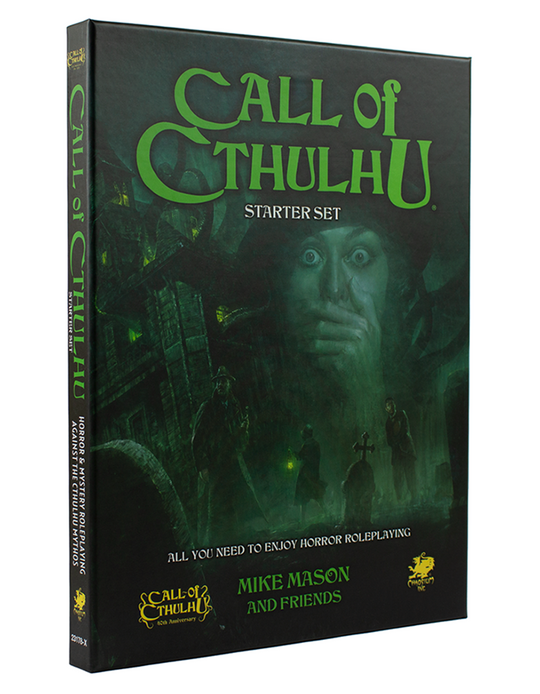
Search Amazon for Call of Cthulhu Starter Set roleplaying game
Call of Cthulhu treats occult knowledge differently from a heroic spell list. Learning and using Mythos material can involve Sanity and other costs specified by the relevant spell or procedure. The appeal is the uncomfortable connection between understanding the threat and being changed by that understanding.
That supports investigation horror: the ritual may offer a solution, but discovering its requirements can be part of the danger. Read the actual spell rather than assuming every occult action has the same price. Different effects and texts should retain their distinctions.
An original scenario might require investigators to choose between disrupting a ritual physically and learning a counter-ritual from a recovered manuscript. Tell them what their examination establishes about time, ingredients, and consequences. They need enough knowledge to make the choice while the underlying horror can remain alien.
Decide what players should know
Before a campaign, explain whether magical costs are predictable resources, discoverable risks, or deliberately uncertain bargains. Even an uncertain bargain benefits from clear procedure: who determines the price, what can be refused, and whether the character can investigate first.
Keep bodily changes, loss of control, and other sensitive consequences within the group's agreed boundaries. Mechanical danger should not become a surprise excuse to take over someone's character.
B3's recommendation
Use capacity costs for expedition choices, strain for escalating action, and destructive knowledge for investigation horror. Each produces a different story. The best cost leaves the player thinking about a difficult decision they understood, rather than wondering which unannounced rule made their spell a mistake.