Call of Cthulhu 7th Edition Review — Investigation First, with Meaningful Ways to Succeed
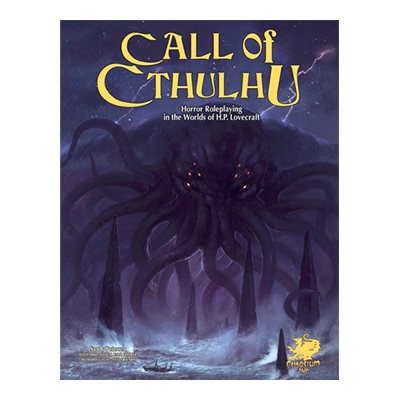
Call of Cthulhu seventh edition is an investigation game where understanding danger is usually more useful than assuming you can defeat it in a fair fight. The Keeper Rulebook provides the core system, Mythos material, and tools for running scenarios. Its strongest feature is how ordinary skills, risky second attempts, and fragile investigators make learning the truth feel consequential.
Percentile skills make competence easy to read
Investigators have skills expressed as percentages. A normal success uses the skill value, with harder thresholds for more demanding outcomes. The basic idea is approachable: a higher rating makes success more likely, and a particularly good roll can matter beyond simply passing.
That clarity helps players understand who is suited to examining evidence, talking to a witness, or repairing equipment. Occupations and backgrounds supply practical identities rather than fantasy combat classes.
The challenge is how those rolls are used. A mystery stalls if every essential clue sits behind one failed check. The system works better when rolls determine the quality, speed, or cost of discovery and when the scenario provides more than one route forward.
Pushed rolls make persistence a choice
An eligible failed skill roll can be pushed when the player explains another approach or greater effort. Failure on that attempt brings a more serious consequence. The mechanic turns “try again” into a decision about accepting risk.
That is one of the edition’s best features. A player can choose to keep working rather than simply hear that the attempt failed. The Keeper can make the danger understandable before the second roll, so the choice has substance.
Pushing is not a universal reroll button. Combat and other excluded rolls use their own procedures. The distinction matters because its purpose is to model escalating effort in a situation, not remove uncertainty from every action.
Luck gives survival another resource
Where the optional Luck-spending rules are used, investigators can trade a limited resource for better outcomes on eligible rolls. That offers another decision when failure would be costly.
I like the combination of immediate control and future vulnerability. Spending Luck to avoid a bad result means having less available when the next dangerous situation arrives. It makes a successful escape feel earned without turning investigators into durable action heroes.
The group should decide which optional rules it is using. Consistency is more useful than remembering halfway through an adventure that a resource could have changed an earlier outcome.
Sanity is a pressure system with limitations
Encountering horrors and learning forbidden knowledge can reduce Sanity and cause temporary or longer-lasting consequences. This connects investigation to vulnerability: information may help solve the immediate problem while making continued exposure dangerous.
The mechanic is effective as genre pressure, but its terminology and fictional treatment should not be mistaken for an accurate account of real mental illness. Groups can preserve the game’s stress and disruption while agreeing how those effects will be portrayed.
I would treat player participation as a priority. A consequence can change a scene without making someone sit silently while everyone else continues the adventure. Discuss the desired intensity before choosing a scenario.
Combat is a dangerous tool
The combat rules allow attacks, dodges, fighting back, and serious injury. Guns matter, but carrying one does not mean every Mythos threat becomes a manageable encounter.
That gives investigation a practical purpose. Discovering a ritual, an escape route, or the creature’s circumstances can change the available solutions. Running away is a meaningful achievement when the alternative is confronting something the party cannot reasonably overpower.
The game is not simply a promise that everyone loses. Investigators can rescue people, interrupt plans, expose wrongdoing, and survive with important knowledge. Horror comes from the cost and limits of those successes.
Which book starts the collection?
The Keeper Rulebook contains the core rules needed to run the game. The Investigator Handbook expands player-facing material and historical context; it is useful, but not a mandatory second half of the rules purchase. The Starter Set and free introductory material offer smaller ways to learn before buying a full reference.
B3’s verdict
Call of Cthulhu is an excellent fit for groups that enjoy evidence, uncertainty, and characters whose ordinary expertise matters. Seventh edition’s pushed rolls and optional Luck spending create worthwhile decisions around failure. Its limitations are investigation preparation, potentially restrictive clue handling, and the need to agree on horror intensity. Buy the Keeper Rulebook for a substantial campaign foundation; try the starter material first if the group is still deciding whether investigation is its preferred activity.
Find the book
As an Amazon Associate I earn from qualifying purchases.
- Call of Cthulhu Keeper Rulebook 7th Edition — Amazon search
- Call of Cthulhu Starter Set Chaosium — Amazon search