5 TTRPGs for New Players — Choose the First Night You Actually Want
Amazon links are affiliate links. As an Amazon Associate I earn from qualifying purchases. Search results and availability vary.

A first RPG should be chosen by the kind of evening the group wants, not by a universal claim that one system is easiest. A compact game can ask for more improvisation than a larger one, and familiar dice do not guarantee a familiar activity. These five options offer distinct first experiences, with a practical starting plan for each.
Dragonbane: recognizable fantasy with consequential fights
Search Amazon for Dragonbane roleplaying game
Dragonbane suits a group that wants ruins, monsters, useful equipment, and a shared adventure. Its roll-under d20 system makes ability checks easy to explain, while dangerous combat keeps preparation and cooperation important.
The core set is attractive because it combines rules and adventure support rather than requiring a new GM to assemble every component separately. Start with a small site and pregenerated characters. Teach checks, movement, and the most relevant combat choices as they occur.
Choose it when the group wants a familiar fantasy activity with a lighter commitment than learning a large character-building catalog. Do not choose it merely because the art looks cheerful; characters can still face serious danger.
Cairn: learn through exploring one place

Search Amazon for Cairn roleplaying game
Cairn offers concise rules, classless characters, limited inventory, and quick, risky combat. The starting question is often what the character can do with the tools available.
Run one original ruined watchtower with three inhabitants, an obvious structural hazard, and a reason to negotiate. Give useful information without asking for a roll every time someone looks at a room.
It fits players who like practical solutions and minimal sheet management. A first-time GM may need additional guidance because a short rules document leaves more judgment to the facilitator. Simplicity for the player and simplicity for the GM are separate considerations.
Fate Accelerated: characters defined by style

Search Amazon for Fate Accelerated roleplaying game
Fate Accelerated uses aspects and approaches to connect identity with action. A trait can provide an advantage and create a complication, giving backstory an immediate purpose.
Begin with a narrow premise: the characters are apprentice couriers trying to deliver a package before a festival closes. Give each two clear aspects and demonstrate creating an advantage before introducing a full conflict.
Choose it if the group enjoys discussing what fictional details mean. Be cautious if players want every capability fixed by a detailed list before play. The vocabulary is short, but shared interpretation still takes practice.
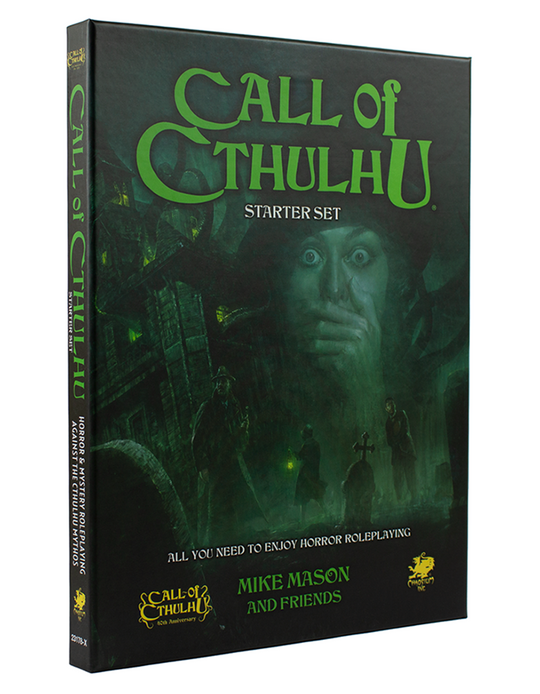
Call of Cthulhu Starter Set: an investigation with ordinary expertise
Read B3’s Call of Cthulhu guide →
Search Amazon for Call of Cthulhu Starter Set roleplaying game
The starter material introduces investigators who use research, conversation, and observation to understand danger. Percentile skills make competence legible, while horror changes what a successful outcome may look like.
Use an included introductory scenario and explain the goal as discovering and responding to a problem. Essential information should have more than one route into the investigation. Teach pushed rolls only when the situation makes the risk understandable.
It fits a group that wants a mystery rather than a sequence of fair fights. Discuss the scenario’s horror material before play; beginner-friendly rules do not guarantee gentle content.
Wanderhome: shared creation without dice

Search Amazon for Wanderhome roleplaying game
Wanderhome follows traveling animal-folk through places, seasons, and relationships. Its token procedures support vulnerability and meaningful intervention without conventional success rolls.
Use the free playkit to create one stop on the journey. Give the place a modest concern, such as a resident preparing to leave, and invite each traveler to notice something different. A designated Guide can help facilitate without owning the whole story.
Choose it when players want to contribute scenes and relationships. It is less suitable for someone who wants the GM to provide a mission and dice to settle every uncertainty. A peaceful setting still needs active participation.
Make the first session smaller than the campaign
Spend ten minutes describing the intended activity and boundaries. Use pregenerated or lightly prepared characters where appropriate. Explain the next relevant rule rather than lecture through the entire book.
Give the group an achievable goal and stop at a satisfying point. Afterward, ask what they enjoyed doing: investigating, negotiating, exploring, portraying relationships, or coordinating a fight. That answer should guide the next purchase more than a ranking of systems.
A useful first game teaches people whether they want another evening like it. It does not have to demonstrate every rule or establish a year-long campaign immediately.