Pokémon Card Rarity & Collecting Terms: Symbols, Foils, Promos and Set Numbers
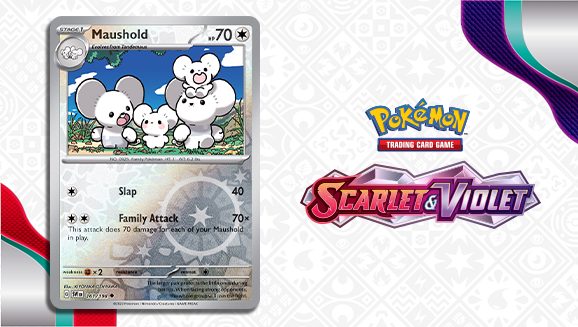
A Pokémon card can have a rarity, a foil treatment, a collector number, an alternate illustration, and a stamp. Those details answer different questions. Reading them separately helps you find the right card, avoid duplicate purchases, and decide what belongs in your collection.
Start with identity: record the card name, expansion, collector number, language, and version. Then use the rarity label to understand how that printing fits within its set. A rarity symbol does not tell you the card’s condition, exact market price, or tournament legality.
Read modern English rarity symbols
The Scarlet & Violet Series introduced a revised system. Pokémon’s official explanation and Paldea Evolved checklist provide a useful baseline.
| Label | Symbol in that system | What it describes |
|---|---|---|
| Common | Black circle | A common printing |
| Uncommon | Black diamond | An uncommon printing |
| Rare | Black star | A rare printing |
| Double rare | Two black stars | Regular Pokémon ex printings in this system |
| Ultra rare | Two shiny foil stars | Full-art foil Pokémon ex or some Supporter printings |
| Illustration rare (IR) | One gold star | Full-art alternate illustrations of Pokémon |
| Special illustration rare (SIR) | Two gold stars | Alternate full-art Pokémon ex or Supporter illustrations |
| Hyper rare | Three gold stars | Gilded full-art foil printings |
This is a baseline for that era, not an identification chart for every English release, historical set, or language. Different eras and special expansions add their own categories. Use the checklist for the expansion you actually have.
Rarity and foil treatment are different fields
“Holo” describes a reflective treatment. “Reverse holo” is a common collecting term for a parallel foil treatment; its appearance depends on the era and product. A parallel version can retain the underlying rarity symbol. Shine by itself does not establish a new illustration or a higher rarity.
For example, Prismatic Evolutions introduced premium parallel cards with Poké Ball or Master Ball background patterns. That is a reason to record the pattern separately from the card’s name and number. A normal checklist tick may not distinguish all the versions you want.
Newer sets add specific rarity names
Mega Evolution-era cards include Mega Hyper Rare printings; the official Mega Charizard X ex entry identifies one example. Ascended Heroes introduced Mega attack rare, with attack names incorporated into the illustration in Japanese katakana.
The 30th Celebration announcement identifies Futuristic rare artwork by YOSHIROTTEN. These names are a reminder to consult the set’s own card list rather than stretching an older symbol chart to fit every new card.
What the collector number tells you
Read the complete printed identifier, including any prefix and the number after the slash. A number above the printed main-set denominator is often described by collectors as “secret,” but it is not a universal rarity name. The named rarity in the checklist is the more precise description.
Do not search for only “Charizard rare” when you need one exact printing. Two cards can show the same Pokémon while having different numbers, illustrations, effects, or treatments. Match the identifier first and inspect the image second. The official database instructions explain useful search filters.
Promos, stamps, and alternate art
A promotional card is distributed through a promotional product or activity rather than simply being another random card from a booster. Record its printed promotional identifier when present. A stamped version of a card is also worth recording separately, but the stamp alone is not a complete identity.
“Alternate art” and “full art” are often used casually in listings. Ask which specific printing the seller means. For a purchase, the image, number, language, treatment, and condition matter more than an enthusiastic title. Ask for clearer photographs when those details cannot be read.
Define your own completion rule
“Master set” is used inconsistently by collectors. One person may mean the numbered expansion and parallel foils; another may add promos, exclusive stamps, and regional variants. Before buying a collection advertised as complete, ask for its actual checklist.
For your own binder, choose a rule you can explain in one sentence: one card per number, every illustration of a favorite Pokémon, or the numbered set plus specified foil variants. Add separate columns for owned, wanted, and excluded versions. That stops a changing definition of completion from making every new product feel compulsory.
Use rarity to identify, not to promise value
A higher rarity label does not guarantee a higher sale price, a useful deck card, or a good purchase for you. Decide whether you want the artwork, the playable effect, or the satisfaction of finishing a checklist. Then compare the exact card that serves that goal.
Return to the Pokémon hub for set guides, or use our binder and storage guide to organize the versions you choose to keep.