Cozy Games: Finding the Right Kind of Comfort
A pleasant landscape does not guarantee a relaxing game. A player can feel considerable pressure while arranging flowers, feeding birds, or building a village if the rules reward tight optimization. “Cozy” tells you something about an invitation and an atmosphere; it does not tell you how the evening will feel.
I would choose a comfort game by asking what kind of pressure the group wants to reduce. Is the problem competition, time limits, complicated rules, grim subject matter, or the need to improvise? Different games answer different questions.
Dorfromantik: build something together
Amazon affiliate link · As an Amazon Associate, B3 earns from qualifying purchases.
Compare Dorfromantik: The Board Game on Amazon →Read B3’s individual Dorfromantik: The Board Game guide →
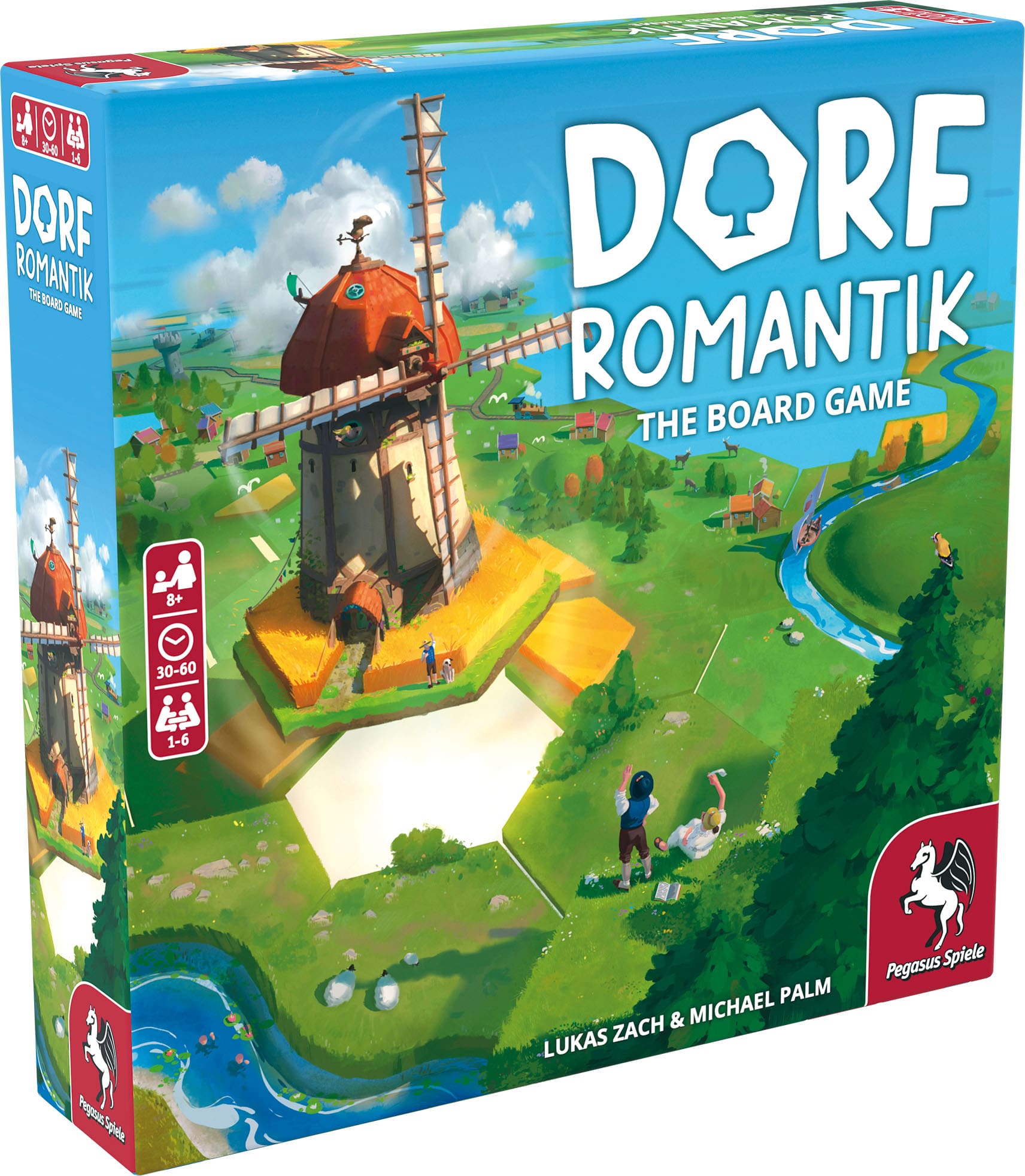
Dorfromantik: The Board Game turns landscape building into a cooperative tile-placement puzzle. Players connect terrain and fulfill tasks, with campaign progression adding material as the group develops its results. You are working toward a shared outcome rather than taking territory away from one another.
Its attraction is visible progress. The table gradually becomes a landscape, and discussing where a tile belongs gives everyone something concrete to contribute. This suits players who want decisions and a shared project without direct attacks.
There is still a score, and a group can make that score the center of every conversation. One confident planner can also dominate cooperative decisions. For a gentler session, agree that the active player owns the final placement after hearing suggestions. Treat an imperfect landscape as a finished evening rather than a failed attempt.
Wanderhome: travel and attend to people

Amazon affiliate link · As an Amazon Associate, B3 earns from qualifying purchases.
Compare Wanderhome on Amazon →Read B3’s individual Wanderhome guide →
Jay Dragon's Wanderhome is a pastoral fantasy RPG about traveling animal folk and a world changing with the seasons. Its focus gives small encounters room to matter: arriving somewhere, meeting its inhabitants, discovering what they need, and deciding when to leave.
This is a different kind of comfort from a board-game puzzle. Players contribute to a shared fiction, so an invitation to describe a place or express a character's feelings is part of the activity. Someone who finds improvisation stressful may prefer a game with more bounded choices.
For an opening session, keep the cast manageable. Introduce one destination, one seasonal detail, and one person with a modest need. A damaged footbridge before a village celebration can prompt help, conversation, and different opinions without becoming a secret combat encounter. Agree on tone and subjects before playing; gentle settings can still contain emotionally difficult stories.
Wingspan: beauty with competition
Amazon affiliate link · As an Amazon Associate, B3 earns from qualifying purchases.
Compare Wingspan base game on Amazon →Read B3’s individual Wingspan base game guide →
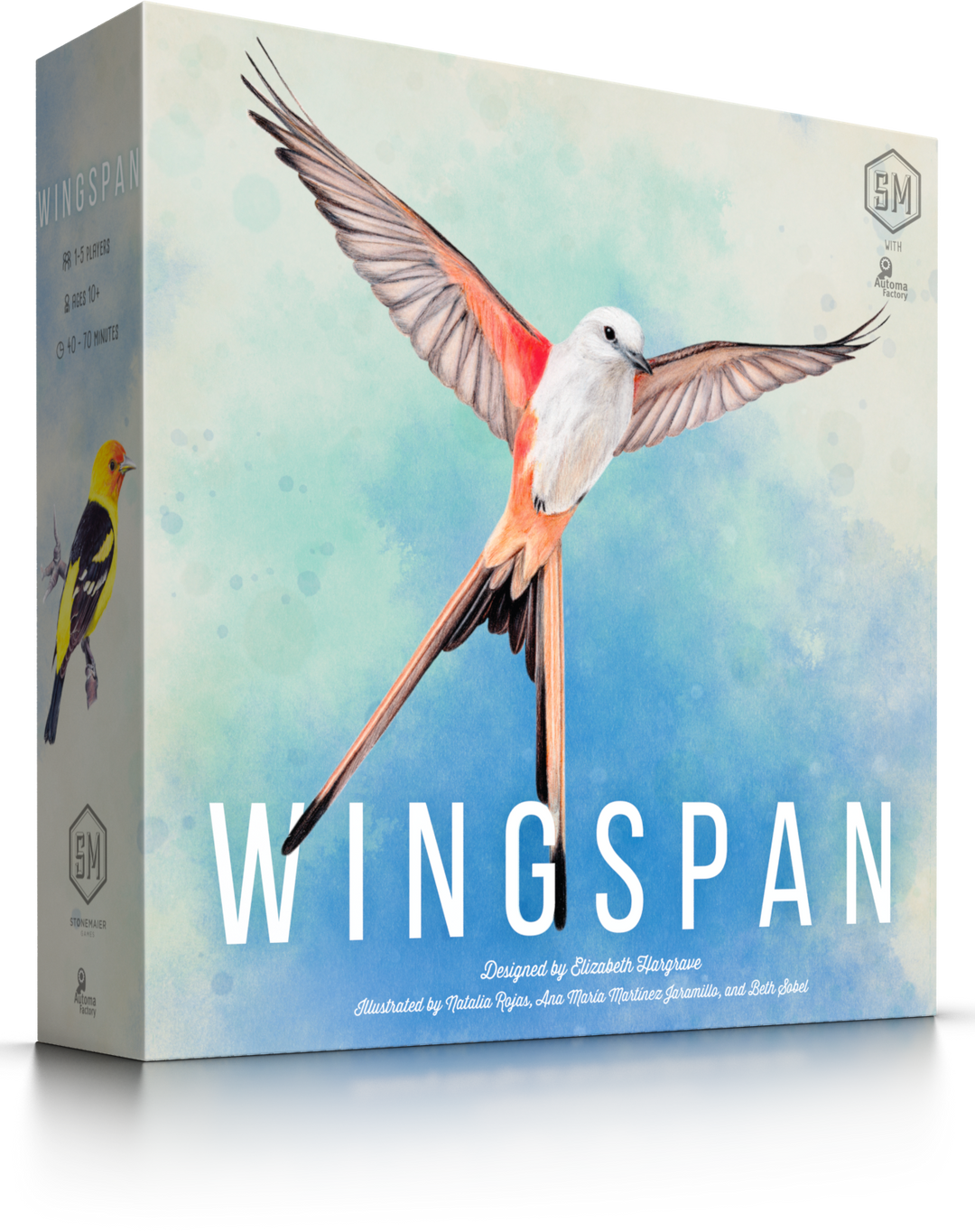
Wingspan illustrates why appearance and pressure need separate consideration. Its birds and habitat boards support an inviting theme, but its engine building asks players to manage resources, actions, and scoring opportunities. You are competing even if you never describe a move as an attack.
It can suit someone who finds structured planning relaxing. It may be a poor match for someone seeking an evening free of comparison or optimization. Choose it because the group wants that particular puzzle, rather than assuming nature artwork makes the rules effortless.
Match the session to the mood
Try these questions before choosing:
- Do we want a shared result or separate scores?
- Do we want to tell a story or solve a defined puzzle?
- How much teaching are we willing to do tonight?
- Is planning satisfying right now, or does it feel like more work?
- Which subjects or interactions would spoil the atmosphere?
The answers matter more than a cozy label. A familiar competitive game can be more comfortable than learning an unfamiliar cooperative one when everyone is tired.
Make room for a satisfying stopping point
Tell the group roughly how long you intend to play. For a narrative session, end after a meaningful arrival or farewell rather than automatically adding a cliffhanger. For a campaign board game, complete the current session without making another attempt compulsory.
Comfort does not require removing all challenge. It often comes from understanding what is expected, having room to contribute, and knowing a mistake will not ruin the evening. Pick the game whose decisions your group currently enjoys, then support that choice with a pace and tone everyone can share.
Find the book or game
As an Amazon Associate, B3 earns from qualifying purchases.