Dorfromantik: The Board Game Guide — Build a Landscape Together Without Turning It into Homework
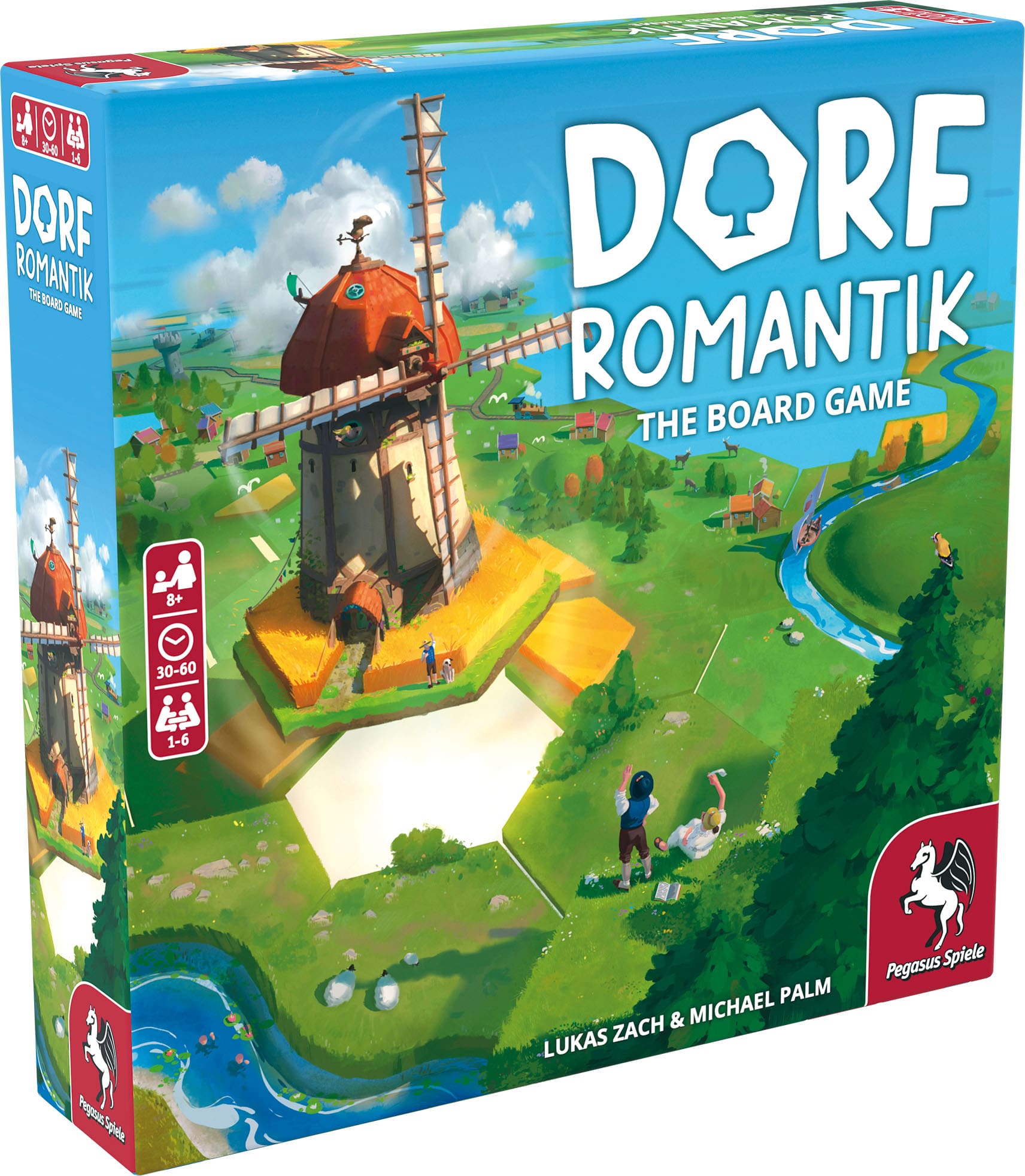
Amazon affiliate link · As an Amazon Associate, B3 earns from qualifying purchases.
Compare Dorfromantik: The Board Game on Amazon →Buying check: choose the cooperative board game in the language you need. The video game, Dorfromantik: The Duel, and expansions are different purchases. Check sealed contents, seller, and delivered price.
Dorfromantik gives the table a shared landscape to build. Its appeal is watching separate placements become a place everyone helped make. Choose it when your group likes discussing a visible puzzle and would rather improve one result together than attack one another.
The important qualification is that cooperation can still feel demanding. A shared score can become a shared obsession, and an experienced planner can accidentally turn everyone else into an audience. I would agree on how advice works before the first tile appears.
What kind of game is it?
Michael Palm and Lukas Zach’s adaptation is a cooperative hex-tile landscape puzzle. Pegasus lists one to six players, ages eight and up, and a playing time of roughly 30–60 minutes. Tasks, railways, rivers, and flags give the growing landscape scoring priorities. A replayable campaign unlocks additional material after games.
Those ingredients explain the invitation: build, evaluate, and return. This is a different commitment from following a scripted adventure. You can enjoy the current landscape while also wanting to see what the next session adds.
What makes a placement interesting?
Think about three questions: what does this tile help now, what space does it leave for later, and which part of the landscape needs attention? The board is a record of earlier choices, so a useful placement can also limit a future one.
For an original decision example, imagine the group considering two plausible locations. One keeps an existing stretch of countryside compact; another leaves more room beside an unfinished project. Ask each player which uncertainty they would rather accept. This is a way to discuss planning, not a worked scoring example or permission to ignore the placement rules.
That distinction matters during a teach. Demonstrate a legal placement from the included rulebook before asking people to weigh alternatives. Let the landscape supply the conversation once everyone understands what can actually go where.
Cooperation needs a turn-taking agreement
My suggested table rule is simple: the active player asks for suggestions, hears a couple, and makes the final decision. Another player can explain a consequence without declaring there is only one acceptable move.
If the whole group enjoys collective optimization, discuss every placement. If one person wants a quieter puzzle, let them consider a tile without an immediate committee. Shared ownership of the result should leave room for individual participation.
At a larger table, check whether everyone can see the relevant edges and tasks. Passing the tile around or briefly summarizing the decision can help more than expecting the person at the far end to lean across the landscape.
How to approach the campaign
Follow the campaign instructions and open material when the game directs. The purpose of an introductory session is learning the ordinary decisions, so avoid explaining unopened content as though it were required knowledge.
After a game, record the result and organize the components deliberately. For a used copy, ask about completeness and campaign material. A seller describing the box as “played once” has not necessarily answered whether every component and record is included.
A group can decide in advance that one completed landscape is enough for tonight. Unlocking something new is an invitation to return, rather than an obligation to begin another session immediately.
Who should choose it?
Consider Dorfromantik for players who enjoy spatial decisions, visible progress, and a shared project. It can be a useful alternative when direct conflict makes a game night less comfortable.
Be more cautious if the group primarily wants separate engines, hidden information, dramatic reversals, or character-driven storytelling. Beautiful scenery does not supply those experiences by itself. Someone who dislikes being advised may also prefer playing solo or agreeing on firmer limits around suggestions.
You do not need to know the original video game to decide whether this table activity sounds appealing. Look at the physical layout and sample the rules. Ask whether comparing placements together would be satisfying for your particular group.
B3’s first-session plan
- Read the setup and demonstrate a legal placement in good light.
- Explain the immediate scoring priorities without revealing unopened campaign content.
- Agree who makes each placement and when advice is welcome.
- Finish one landscape, record what the game asks you to record, and discuss whether the group wants another session.
I would choose Dorfromantik for a cooperative puzzle that leaves something pleasing on the table. The best reason to buy is wanting to make those ordinary placement decisions together, rather than expecting a nature theme to remove every source of pressure.
Browse more individual board-game guides →
Product details and image: Pegasus Spiele’s English-edition product page. The publisher’s Media tab includes the English rules and campaign sheets. B3’s examples and first-session recommendations are editorial guidance, not claims of firsthand testing.