When RPG Rules Shape Story — Follow the Choices a Mechanic Rewards
Amazon links are affiliate links. As an Amazon Associate I earn from qualifying purchases. Search results and availability vary.
Rules shape stories by making some choices easier, more rewarding, or more costly than others. A game does not need a rule called “story” to influence the narrative. Inventory space, recovery, relationship resources, and the consequences of failure all affect what characters do next.
The useful way to evaluate a system is to follow one decision through its consequences. Ask what a player is encouraged to attempt, what they spend, what happens afterward, and how that result feeds the next scene.
Follow the resource
Read B3’s Blades in the Dark guide →
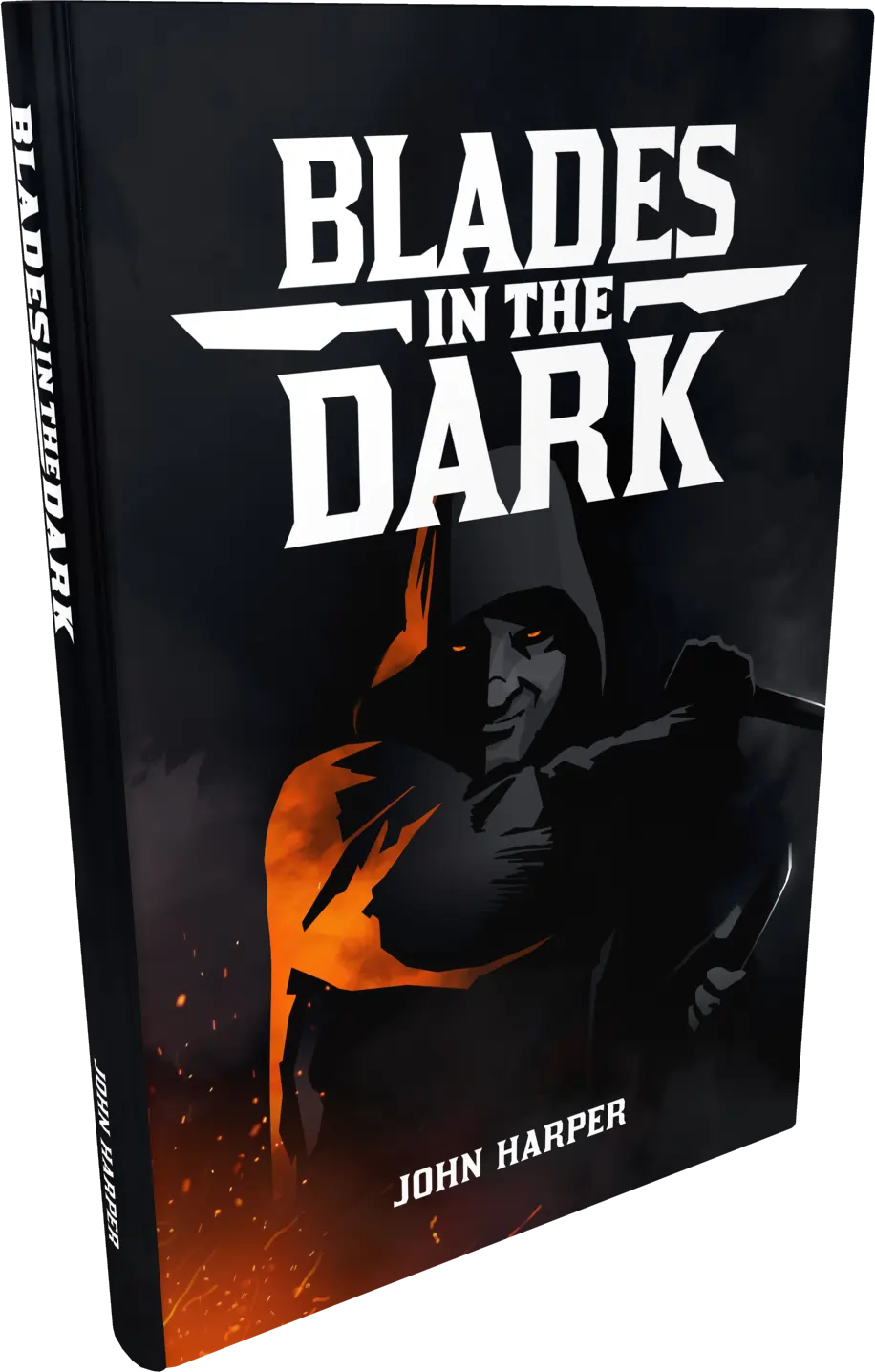
Search Amazon for Blades in the Dark roleplaying game
In Blades in the Dark, Stress helps characters push themselves and resist consequences. Those decisions connect action scenes to recovery and longer-term trouble. The crew is encouraged to take risks, but the pressure does not disappear when the score ends.
That creates a particular campaign rhythm: preparation leads into action, action produces consequences, and downtime addresses some of those consequences while opening other possibilities. The story follows the cycle because the rules give each stage meaningful decisions.
Compare that with a game where all important resources reset after every encounter. Players may approach danger differently because the cost is local. Neither structure is inherently better, but they create different expectations about exhaustion and persistence.
Follow the limitation

Search Amazon for Cairn roleplaying game
Cairn connects equipment, spellcasting, and Fatigue to limited inventory capacity. That makes an expedition's load consequential. A useful object competes with another useful object; magical exertion can affect the character's ability to keep carrying practical supplies.
The resulting story often concerns preparation, improvisation, and returning safely. A rope, a sack, and a spare light are not merely decorative equipment when carrying them has an opportunity cost. The party's argument about what to leave behind can become a meaningful scene.
This does not require the GM to narrate scarcity constantly. The rules create recurring questions. Adventure preparation should offer situations in which those questions have more than one plausible answer.
Follow what gets forgotten
Read B3’s Thousand Year Old Vampire guide →

Search Amazon for Thousand Year Old Vampire roleplaying game
Thousand Year Old Vampire makes memory part of a constrained procedure. A long-lived character cannot preserve every experience in the same way indefinitely. The player must make choices about what survives as identity changes over time.
That directs attention toward loss and transformation. The story is not simply a chronology of increasingly impressive vampire powers. It becomes an account of the relationship between a life and what that life can still remember.
A mechanic like this is difficult to reproduce with atmosphere alone. Telling a player that centuries feel sad has less force than asking them to decide which meaningful memory can remain.
Test your campaign against its procedures
Suppose you want a campaign about rescuing neighbors and rebuilding a settlement. Examine what the chosen rules reward. If advancement comes almost entirely from defeating enemies, the group may reasonably spend more time seeking fights than organizing repairs.
You can choose a different system, adjust rewards with the group's agreement, or design adventures in which the existing procedures support the premise. What does not work well is blaming players for following the incentives you handed them.
An original five-minute exercise
Take a proposed campaign scene: a damaged bridge blocks the party's return, and supplies are running low. Write the likely choice in your current system. Is the main decision which skill rolls highest, which item to spend, which promise to honor, or which resource to risk?
Then write the consequence that remains after the bridge is crossed. Lost supplies, a new ally, accumulated strain, and a damaged relationship each point toward a different next scene. If nothing persists, the crossing may be a brief obstacle rather than a campaign development.
Repeat with one social scene and one dangerous scene. You will quickly see which parts of your intended campaign the system naturally supports and which need additional preparation.
B3's recommendation
Choose rules by the decisions you want repeated, not only by the setting printed on the cover. Trace resources, limitations, and lasting consequences through a few sample scenes. A system's character becomes clearer when you look at what it asks players to care about every session.