Five Board Games to Borrow Campaign Premises From — and What to Leave Behind
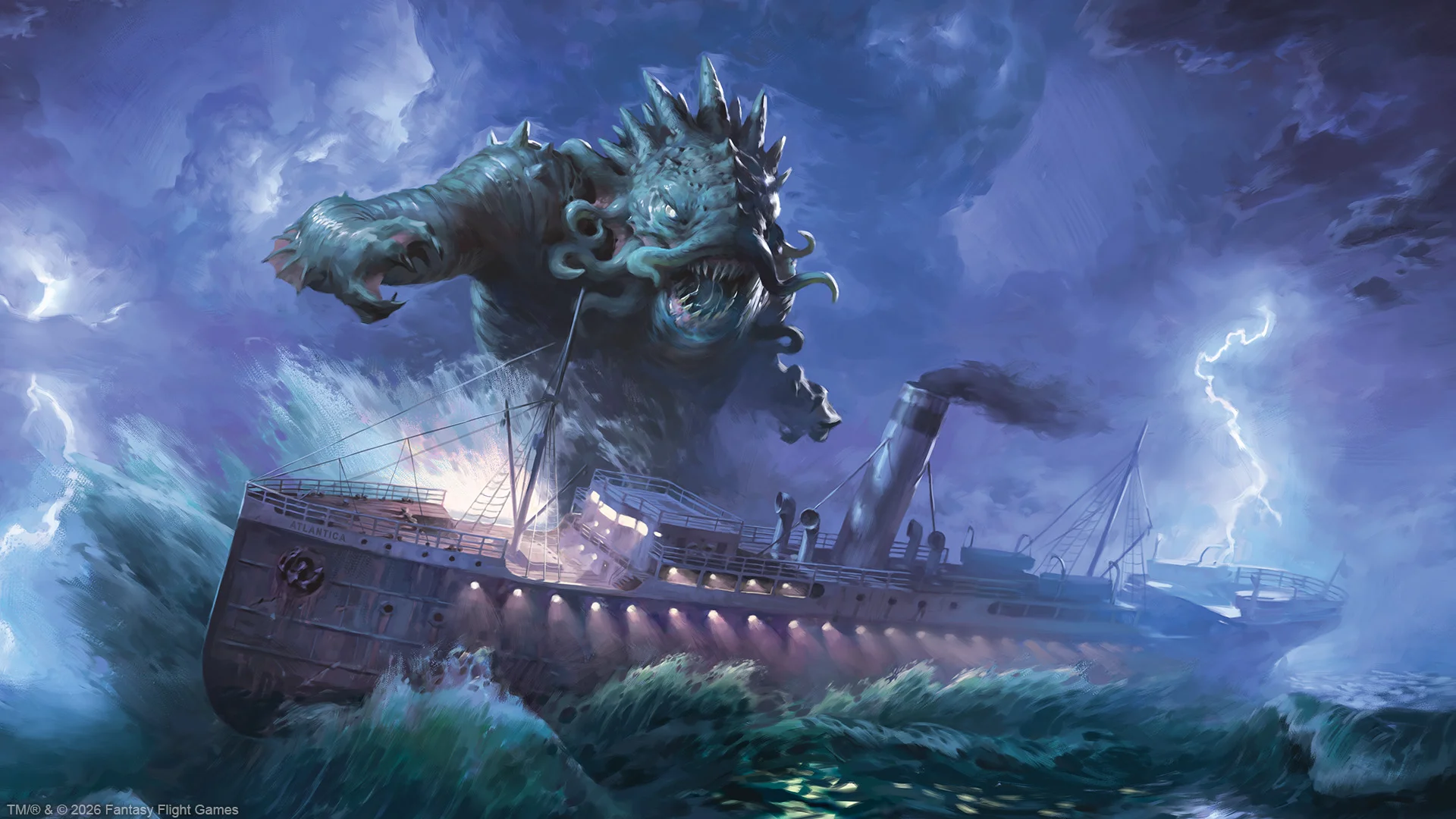
A board game can supply an RPG premise without supplying its rules. The useful question is what pressure makes people at the table care. These five games suggest different campaigns; the examples below are original adaptations, not conversions of their scenarios or invitations to buy a game merely for preparation.
The Grizzled: support under exhaustion
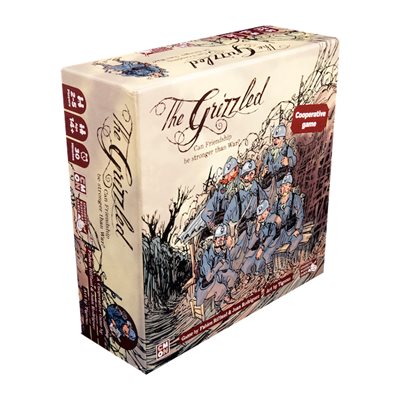
Read the full The Grizzled review and buying guide →
The Grizzled is a cooperative card game about friends surviving the First World War. Players manage threats and support one another rather than build an army that wins a strategic map. Its restraint is what makes the premise worth borrowing.
For an RPG, follow a relief crew escorting displaced families through a dangerous withdrawal. The group has enough supplies to travel quickly or offer more help along the route, but not both without finding assistance. Relationships determine who notices another person reaching their limit.
Borrow mutual dependence, not the card effects as diagnoses of fictional mental illness. Discuss war and civilian harm beforehand. A campaign can make care meaningful without requiring players to perform distress for one another.
The King’s Dilemma: votes with a future

Our King’s Dilemma guide explains how the original voting and campaign systems work →
The King’s Dilemma places competing interests inside a narrative legacy game. Decisions change the kingdom while each house has its own priorities. Its most useful RPG lesson is that a council vote should remain relevant after the meeting ends.
Create a flood-stricken city with enough money to protect one district immediately. Give each delegate a constituency, a credible need, and a promise already made. Let the party investigate the engineering problem before negotiations begin.
Leave room for a third option. An RPG group might secure outside aid, expose hidden funds, or accept a temporary compromise. Copying a fixed two-choice script would discard the freedom that makes the adaptation worthwhile.
Tragedy Looper: New Tragedies: learning survives the reset

Read the full Tragedy Looper: New Tragedies review and buying guide →
Tragedy Looper uses repeated timelines and deduction, with a Mastermind opposing the protagonists. Its reset creates opportunities to understand events and alter them on another attempt.
For a cooperative RPG, place the party at a festival where a disaster occurs at dusk. They return to morning remembering what they learned. Prepare stable causes: a damaged gate, an ignored warning, and a person carrying false instructions. Their interventions can change how those causes interact.
Summarize repeated scenes once the players understand them. A loop becomes frustrating when it requires reenacting the same conversation without gaining information. The ending should depend on learned causes and changed actions, rather than the GM deciding that enough repetitions have occurred.
Unfathomable: cooperation in a confined crisis
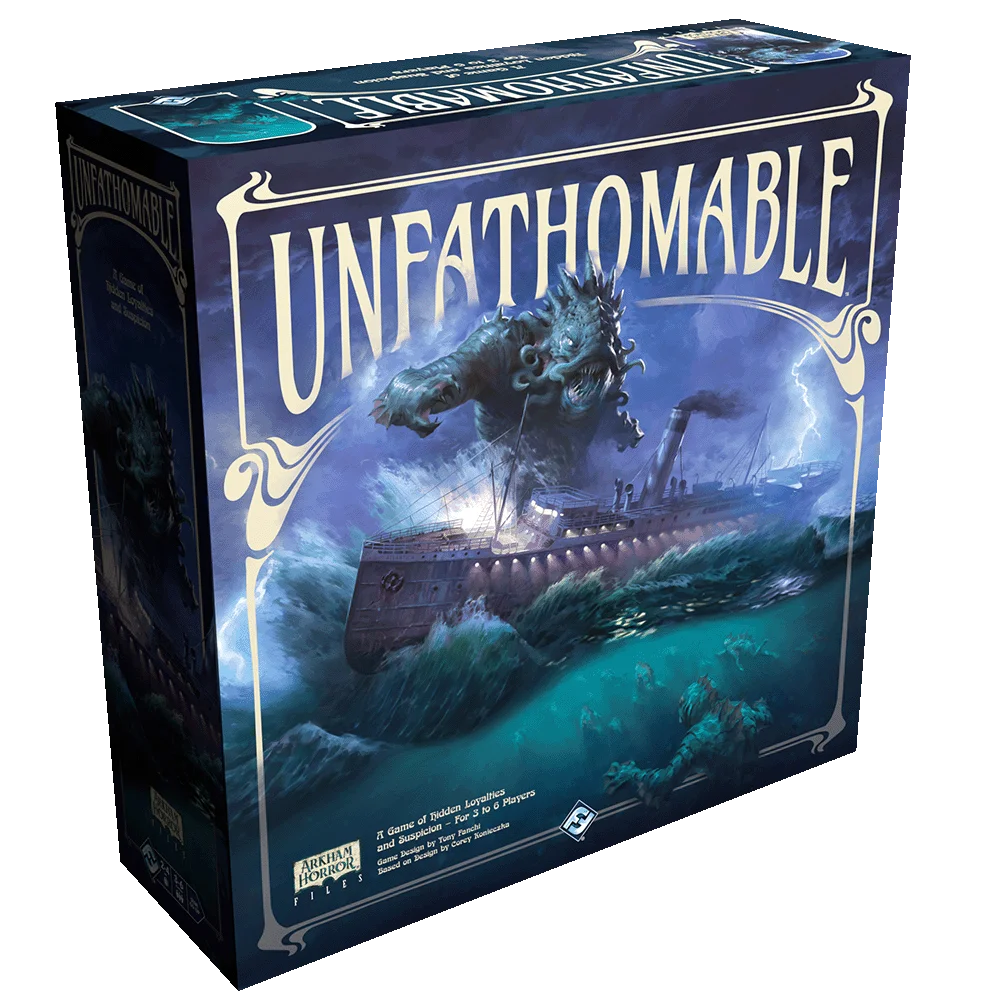
Read the full Unfathomable review and buying guide →
Unfathomable combines a threatened steamship with hidden loyalties. Limited movement, urgent needs, and uncertainty about cooperation make the ship’s situation difficult to separate from its inhabitants.
An original campaign opening could strand a research vessel with failing power, conflicting rescue signals, and an unexplained disturbance below deck. Give NPCs motives that make sense even before the supernatural truth is known. The engineer may hide a mistake; the captain may protect a sponsor; a passenger may be helping something dangerous.
Keep betrayal among NPCs unless players explicitly want secret opposing roles. Competitive hidden-role expectations do not automatically belong in an otherwise cooperative RPG. Suspicion should be supported by evidence and actions the party can investigate.
Nyctophobia: information through limited senses
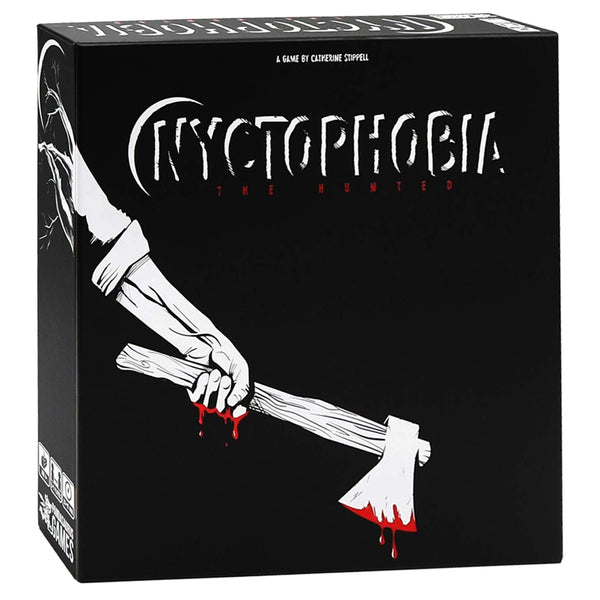
Read our complete Nyctophobia: The Hunted gameplay and buying guide →
Nyctophobia’s distinctive physical play uses touch and restricted sight while a sighted participant manages the pursuit. Its appeal depends on the actual tactile experience, not merely a dark setting.
For an RPG, borrow uncertainty about a location without taking away players’ ability to use their sheets or communicate comfortably. A smoke-filled building might force characters to map routes through sound, familiar surfaces, and glimpses between obstructions.
Provide consistent sensory information and let practical preparations help. A rope guide, chalk marks, or knowledge of the building should improve navigation. Do not require blindfolds or make accessibility a test of willingness to participate.
Choose the pressure your group wants
Mutual support, political compromise, repeated investigation, suspicion, and limited information create different kinds of play. Pick one and ask whether the table wants to spend a campaign inside it.
Then prepare three things: people with competing needs, information the characters can obtain, and consequences their decisions can change. Use the RPG’s existing procedures wherever possible. The board game supplied an interesting question; the campaign should let the players answer it in ways its designer never had to anticipate.
Find the book
As an Amazon Associate I earn from qualifying purchases.
- The Grizzled — Amazon search — Amazon search
- The King’s Dilemma — Amazon search — Amazon search
- Tragedy Looper — Amazon search — Amazon search
- Unfathomable — Amazon search
- Nyctophobia — Amazon search — Amazon search