Beyond Winning: Four RPGs That Make Change the Point
Amazon links are affiliate links. As an Amazon Associate I earn from qualifying purchases. Search results and availability vary.
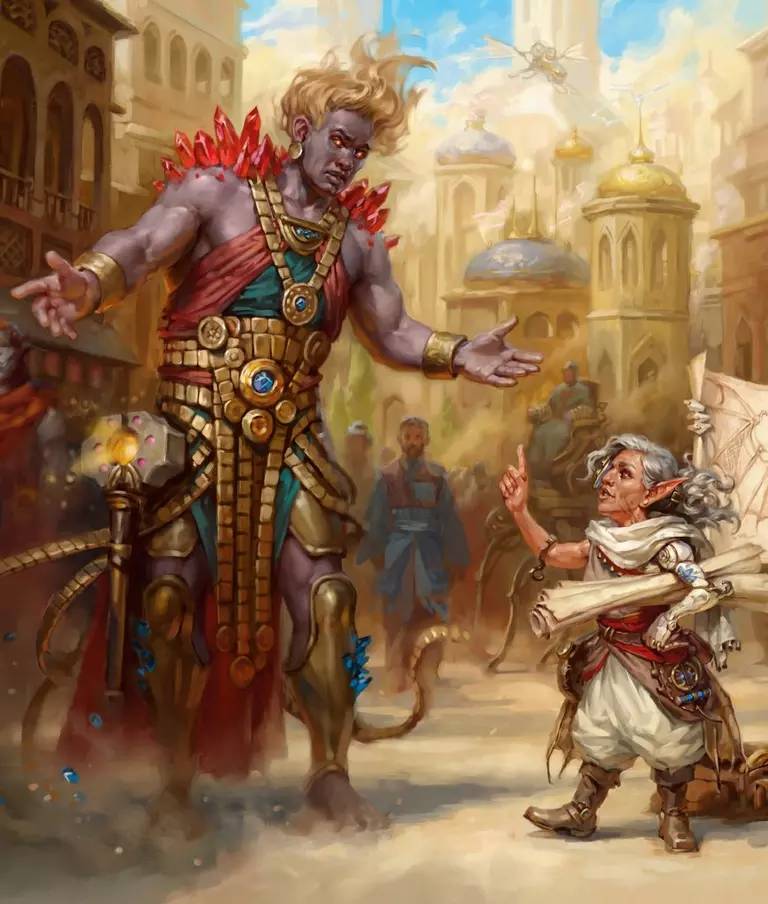
An RPG can make progress visible without making victory its only measure. A character may leave a place changed, preserve a memory, explain a mystery, or finally reveal something important. The useful distinction is not that these games lack winners—many RPGs already do—but what their procedures ask players to notice. These four designs put different kinds of change at the center.
Wanderhome: care creates movement

Search Amazon for Wanderhome roleplaying game
Wanderhome follows traveling animal-folk through places and seasons. Its token economy gives vulnerable moments and meaningful interventions a rhythm without using dice to determine ordinary success.
The change might be small: a traveler agrees to stay another day, a resident receives help, or the group learns how to leave respectfully. A place does not need to become a battlefield to have consequences.
The design lesson is specificity. “Be kind” is too broad to sustain a session by itself. A person preparing to leave, a damaged communal space, or a disagreement about a festival gives care something to do. Choose the game if the group wants to help create that attention rather than wait for a conventional mission.
Thousand Year Old Vampire: preservation becomes a choice
Read B3’s Thousand Year Old Vampire guide →

Search Amazon for Thousand Year Old Vampire roleplaying game
The solo game tracks a vampire’s life through prompts, memories, and other limited resources. Continuing to exist does not mean retaining an intact account of everything that happened.
The important decision may be which relationship remains recognizable after memory space runs out. A lost record can change what the character understands about itself even when the player still knows the earlier event.
The lesson is to give a theme an actual procedure. A story about forgetting becomes more distinctive when the player must choose what can be preserved. The limitation is emotional tone: this can be harsh and unstable, not a reliably comforting journaling exercise.
Brindlewood Bay: interpretation creates the answer
Read B3’s Brindlewood Bay guide →

Search Amazon for Brindlewood Bay roleplaying game
The Murder Mavens investigate crimes through clues, then propose a theory resolved by the Theorize move. The Keeper has not selected one fixed culprit that every detail must reveal.
That puts collaborative interpretation at the center. The players’ account becomes part of how the mystery takes shape, rather than merely an attempt to identify an answer already written.
The design lesson is clarity about authorship. If a game asks players to help create truth, they should know that before beginning. Someone who wants fixed-answer deduction may reasonably prefer another system. The cozy community and occult campaign give the resulting theories a continuing world to affect.
Girl by Moonlight: identity affects capability and pressure
Read B3’s Girl by Moonlight guide →

Search Amazon for Girl by Moonlight roleplaying game
Transformation, relationships, and the series playset shape how characters act and what their efforts cost. Personal scenes matter because the characters’ connections influence how they face the larger conflict.
The change may involve becoming more open, accepting support, or choosing what kind of future to defend. Those developments sit beside spectacular action rather than replace it entirely.
The lesson is that emotional stakes need a place in the game’s rhythm. If relationships appear only in optional scenes nobody has time for, they are unlikely to become the campaign’s center. Choose the series carefully because hopeful and tragic versions make different promises.
Borrow the lesson without copying the whole system
In an existing campaign, identify one kind of change you want to make visible. A shared home might improve, a relationship might acquire a new obligation, or a character might abandon a belief after experience contradicts it.
Use the game’s existing procedures first. Record the changed fact in language everyone understands, then create a later situation where it matters. An ally who now trusts the party should act differently, not merely receive a note in the GM’s file.
Do not add an emotional currency unless the group wants to track it. A conversation and a persistent consequence may do the work more clearly.
Ask what would make the ending satisfying
Before a short campaign, ask each player what they hope the characters will have changed by the end. Their answers can guide situations without predetermining outcomes.
A satisfying finish could include a retreat that saves someone, a community that can continue without the heroes, or a truth the group finally agrees to confront. Those endings still involve decisions and consequences. They simply measure achievement through what the characters made possible, rather than through the last enemy’s defeat.