Board Game Lore That Matters: When a Setting Changes the Way You Play
Lore earns its space in a board game when it helps you understand why a decision matters. If a faction's history explains its capabilities, if a place's danger changes your route, or if an institution gives a negotiation meaning, the setting is doing work.
When lore supplies names and paragraphs but has no relationship to play, I find it easier to forget. That is not a demand that every detail grant a bonus. It is a demand that the world contribute something beyond decoration.
The useful question is: what becomes clearer, stranger, or more consequential because this setting exists?
Test one: can the setting explain an incentive?
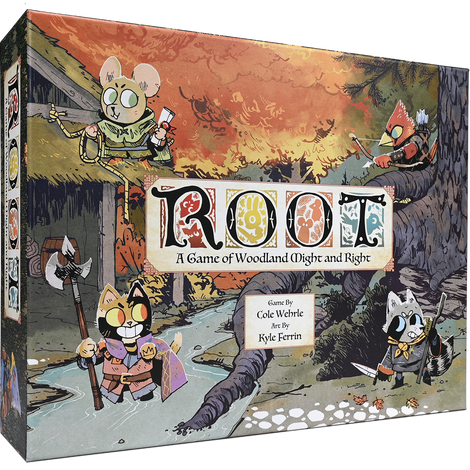
Root makes a woodland setting useful through different faction incentives. The Cats want territory that supports production; the Eyrie must sustain its growing Decree; the Alliance turns sympathy into resistance. A clearing matters differently depending on whose system you are trying to keep functioning.
The setting helps explain why opponents value the same place differently. Teach each faction’s scoring priorities alongside the common rules, then ask what taking a clearing prevents or permits. Animal illustrations should not disguise the shared learning commitment of this asymmetric strategy game.
For designers: take one scoring condition and describe the fictional reason someone values it. If the explanation is “because those are the points,” the setting has not yet clarified the incentive. You can revise the reward, the action, or the fictional frame until they support one another.
Test two: does a faction imply a different approach?
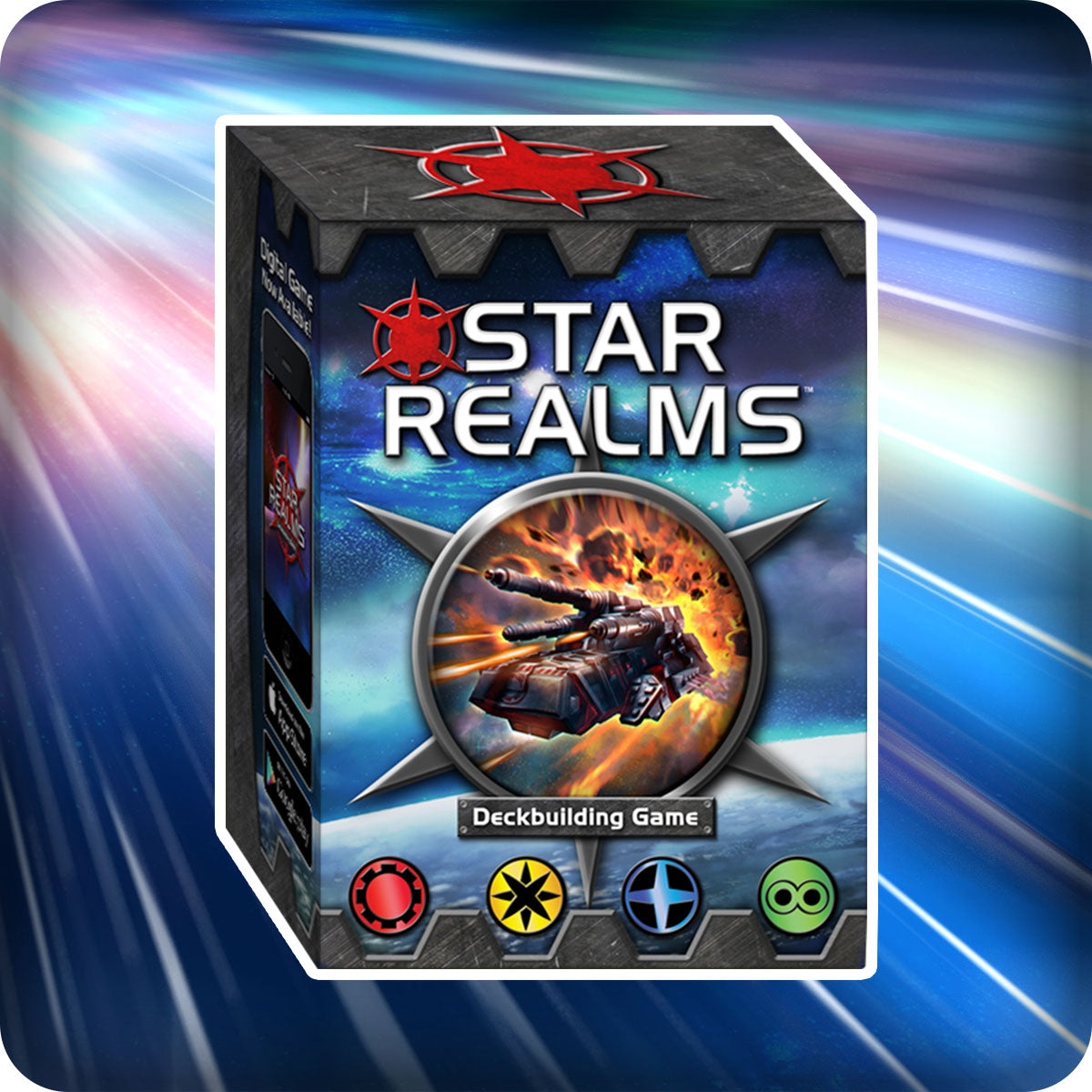
Star Realms gives its four card factions recognizable mechanical tendencies. Trade Federation cards lean toward economy and recovery; Blob cards toward attack; Star Empire toward hand pressure and card flow; Machine Cult toward removing unwanted cards. These are tendencies across a faction, not a promise that every card does the same thing.
The setting becomes useful when it helps you read a shared market and anticipate how cards work together. Unlike a game where each player permanently controls a single alien empire, players buy cards from several factions into a growing deck. Faction identity is a language for building combinations, rather than a role you must act out.
For players: explain one prospective purchase in terms of what the card helps your existing deck do. A color match matters when it produces useful effects, not simply because matching colors looks tidy.
For designers: give a fictional organization a recurring capability that players can recognize. Then allow exceptions and combinations. A faction becomes memorable when its character helps someone predict a decision without determining every outcome.
Test three: does a place suggest a relationship you can use?
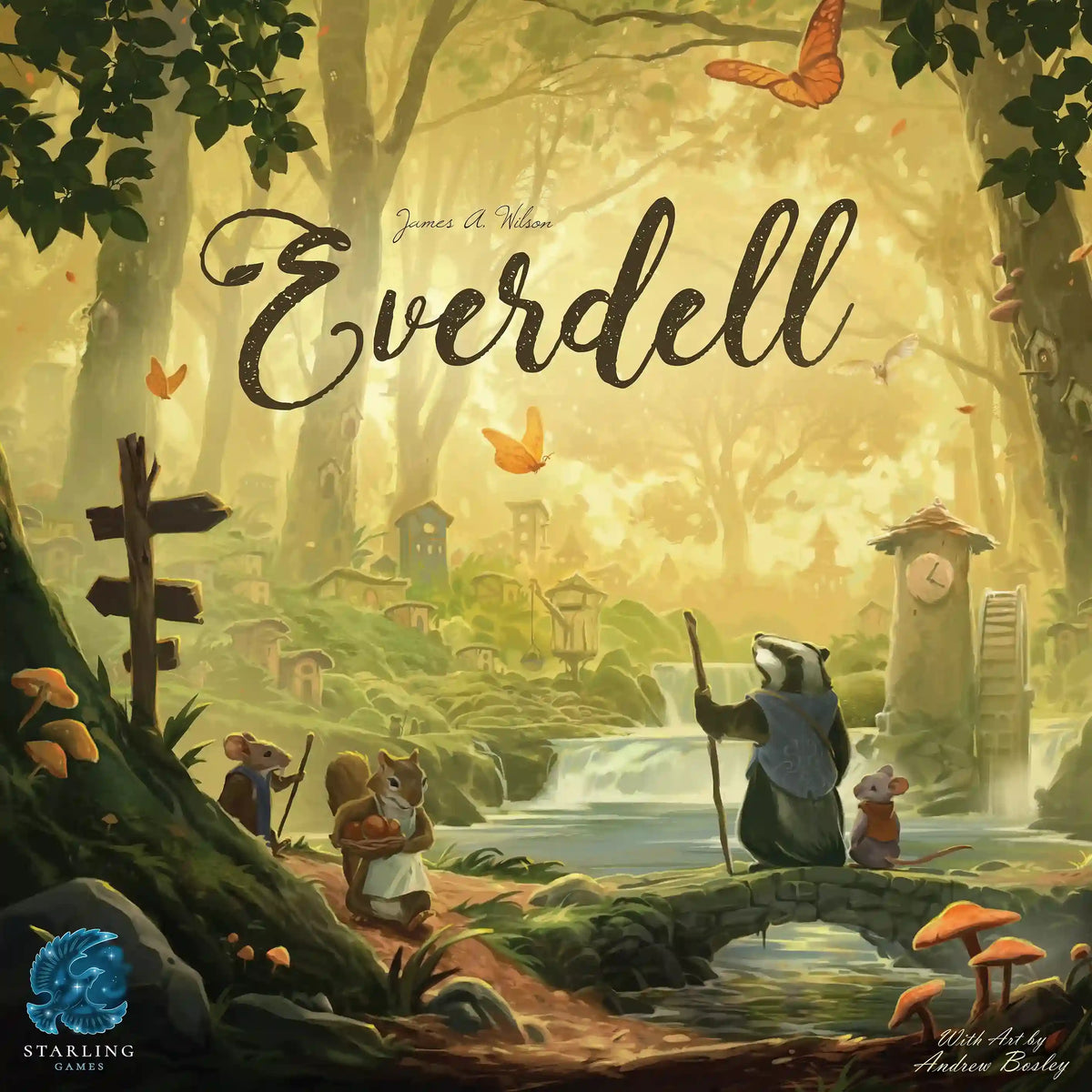
Everdell offers a smaller-scale example: a woodland city built from critters and constructions. Its setting gives the player something recognizable to arrange. A building and its associated occupant can suggest a relationship before the player has memorized every card.
That is different from promising a branching narrative. The fiction helps explain a developing city and gives combinations a memorable identity; it does not turn each card into a fully simulated resident. I would judge the theme by whether it makes the choices easier to picture, rather than by how much backstory is printed.
For a home-designed scenario: connect three locations through a practical dependency. A bakery needs the mill, the mill needs a repaired waterwheel, and the workshop needs an unpaid debt settled. Give each connection one decision. The useful lore is the relationship that changes what someone can do next.
Test four: does a character’s identity change its decisions?
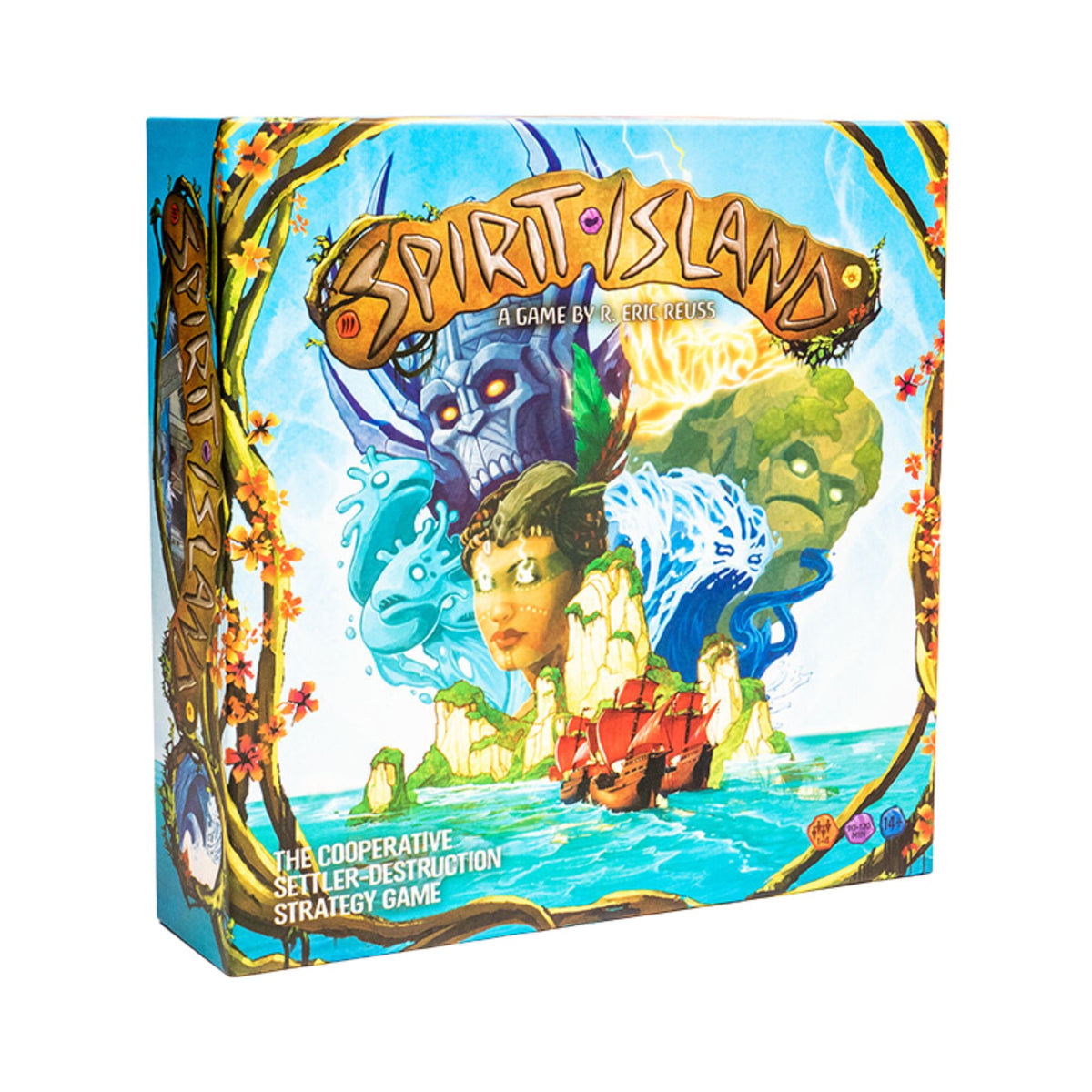
Spirit Island makes its spirits distinct through the powers they bring to defending their home. Their identity is useful when it helps a player understand how that spirit contributes, rather than merely supplying a striking name above otherwise identical actions.
That gives a designer a practical test: does the fiction point toward behavior the rules support? A spirit’s theme should help the player anticipate a way of engaging with the island. It need not explain every exception or become an excuse to ignore the actual card text.
For a player: write one sentence linking your spirit’s identity to a decision you expect to make. Compare that expectation with the abilities on its panel and cards. If they differ, learn what the game actually permits before treating the theme as a rule.
For a designer: list the behavior your description promises, then identify the action that expresses it. If a character is described as a protector but can only attack, decide whether that gap is intentional. Give players a reason to understand an identity through play.
Test five: does the setting help explain a consequence?
Here is an original example. A city game includes three guilds sharing a river. Players can speed production by taking water from the downstream district. If the district's dependence has been established, the resulting shortage has a readable cause. A protest is then a consequence of the player's action, not a random punishment card.
Now add a historical agreement requiring upstream guilds to maintain the downstream pumps. That detail makes the decision more interesting: taking water is also abandoning an obligation. A character may defend it as an emergency measure; another may treat it as proof that the agreement was always hollow.
The extra lore is worthwhile because it changes interpretation. A paragraph about the river's legendary origin might still be attractive, but it does a different job and should not crowd out the information players need to reason with.
Keep the reading proportional to its purpose
I would present useful lore at the point where it answers an actual question. Explain a faction's relevant identity during selection. Introduce a local obligation when arriving at the place it affects. Reveal a contested history when people have a reason to disagree about it.
Front-loading everything often makes players forget the important parts along with the decorative ones. The goal is not maximal exposure; it is useful understanding.
A practical editing test is to remove one lore paragraph and play the relevant decision again. Did you lose clarity, motive, atmosphere, or a memorable interpretation? Keep what produces that effect. If nothing changes, shorten the paragraph or move it somewhere optional.
The best setting details become part of the table's language. Players refer to the institution, the place, or the obligation because it helps them explain their choices. At that point, lore has stopped being homework and become part of the game.
Games pictured and buying links
As an Amazon Associate I earn from qualifying purchases.
- Star Realms original core set — Amazon search
- Everdell Standard Edition board game — Amazon search
- Spirit Island original base board game — Amazon search
- Root — Amazon search
Root shows the complete base game. Spirit Island shows the original base game; expansions and foil spirit panels are different purchases. Match the listing to the pictured box.
For more detailed decisions about fit and learning, read our Root review. Browse the board-game hub for related guides.