Takenoko Review — A Shared Garden Creates Delightful Interference
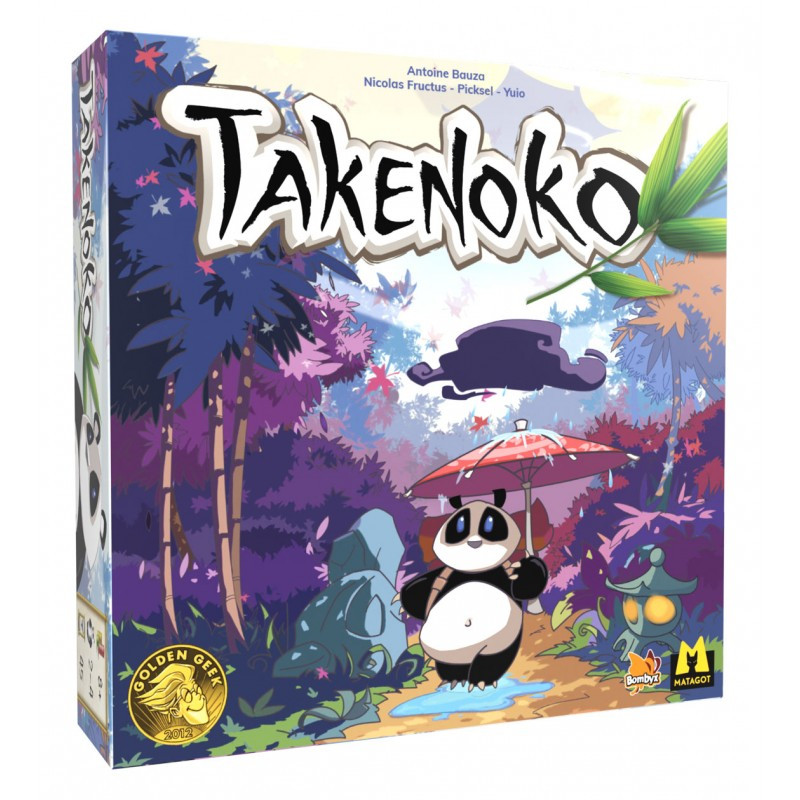
B3’s verdict
Takenoko is attractive when the table wants colorful, approachable competition with a shared space to watch. B3 would choose it for a group that enjoys seeing another player’s apparently helpful garden improvement turn out to serve a private objective. Its charm comes with interaction, not total peaceful independence.
Players develop a bamboo garden through plots, irrigation, and the movements of the gardener and panda. Objective cards reward different achievements involving the garden and bamboo. Because the central landscape is shared, the result of one player’s action can matter to somebody else’s plan.
What makes the decisions interesting
The interesting decision is whether to build what you need openly or take advantage of what others have already created. A move may improve your situation while also making an opponent’s next step easier. That gives the table a reason to pay attention between turns.
The tradeoff is that a whimsical panda does not remove scoring competition or uncertainty. Some players will enjoy reacting to the changing garden; others may dislike seeing a carefully prepared arrangement altered before they use it. Describe that interaction before choosing it for a supposedly frictionless cozy evening.
The garden belongs to everyone
Players develop shared plots, irrigate them, move the gardener to grow bamboo, and move the panda to eat it. Hidden objectives reward different arrangements and collections. On a turn, the weather result modifies the situation before you choose your actions. A pleasant-looking garden can therefore be a site of substantial competition.
The basic distinction is between growing bamboo and collecting it through the panda. An action that completes one player's growth objective can prepare somebody else's feeding opportunity. Because the board is shared, improving the garden never guarantees that you will be the person who benefits next.
A helpful move can help a rival more
Imagine extending a color of plot to support a pattern objective. That placement may also create an easy route for the gardener and a useful feeding area for the panda. If another player has been collecting that color, the apparently private plan has public consequences. This is a hypothetical example of the interaction, not a required opening.
You cannot know every hidden objective, but you can observe activity. Repeated visits to one color or interest in a particular shape are clues worth considering. Avoid over-reading them: a flexible player may pursue a different objective when the garden changes.
Irrigation makes the layout matter
A plot's position and access to water affect whether it can grow. Spreading tiles without considering irrigation can create an attractive board that does not support the bamboo you need. Teach the water connection alongside plot placement, rather than reveal it only when somebody tries an impossible growth action.
The gardener and panda also make movement meaningful. Their locations change what is efficient for the next player. Thinking one turn ahead is useful, but a rigid multi-turn plan can be disrupted by a perfectly ordinary opponent action.
Choose a family puzzle with some uncertainty
The colorful presentation and concrete actions make the game approachable, while objective draws and weather keep it from being a completely controlled spatial puzzle. A disappointing draw or an opportunistic rival can redirect your plan. Enjoying that adaptation is part of the fit.
Show each objective type with a small example and explain when completed objectives are revealed. Then let players decide which goal to pursue rather than optimize their cards for them. Start with the base game; Chibis is expansion content. Choose Takenoko for a shared, changing garden with private goals, especially when the group wants visible interaction without direct attacks.
The cost of choosing this experience
For the first game, teach the gardener, panda, and irrigation through a small example. Then show why different objectives can value the same garden differently. Allow the opening turns to establish those relationships before pushing newcomers to optimize.
Start with the Takenoko base game. Chibis is an expansion, and different language listings may package material differently. B3 recommends Takenoko when a charming shared landscape and light interference suit the group. Pass if every player wants complete control over a private puzzle or strongly dislikes objectives that develop at different rates.
Official game information and rules →
Find the game
As an Amazon Associate, B3 earns from qualifying purchases.
Compare Takenoko listings on Amazon — title search; check edition, language, contents, and seller.