Legacy of Dragonholt Review — Character Choices Carry a Reading-First Campaign
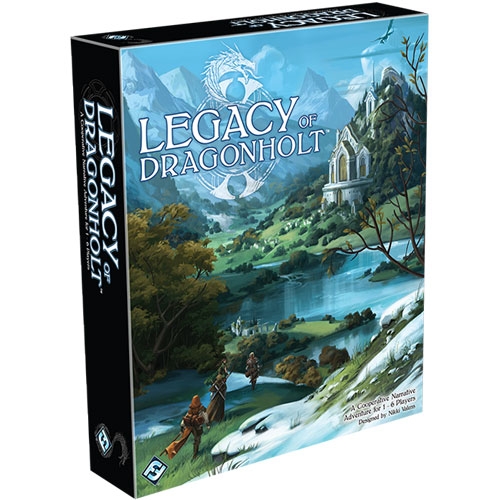
B3’s verdict
Legacy of Dragonholt is worth considering when the desired part of roleplaying is inhabiting a character and choosing what to do in a prepared story. Its appeal is a continuing relationship with a village and its people. B3 would choose it for readers who welcome substantial prose and a clearly authored framework.
The Oracle system supports a cooperative narrative adventure for one to six players without a game master. Players create heroes, then follow a campaign through quest books and choices. This is a reading-first experience rather than a box of miniatures promising open tactical encounters.
What makes the decisions interesting
The strongest purchasing question is whether a character’s perspective makes the choices interesting. Two possible responses can matter even when neither is an efficiency upgrade. Give each player room to express what their hero cares about before the group decides which option to pursue.
The limitation is the boundary of prepared material. It cannot respond to every improvised plan the way a human facilitator might. Someone hoping to negotiate a completely unlisted solution may feel constrained. Someone wanting to explore a coherent authored path may find those boundaries reassuring.
What a turn looks like in a reading-first adventure
Play proceeds by reading numbered entries and selecting an available choice. Character skills, recorded story information, resources, and the state of the adventure can determine what is possible. The books resolve the consequences, so nobody has to prepare a setting or act as Game Master. Your practical decisions are about how to respond, where to go, and which opportunity to spend time on.
Character creation gives those choices a personal frame. A skill is useful because it can open or support a particular approach, rather than because you will roll a large handful of dice for every action. Choose a character whose interests you want to express, and learn how skills become exhausted and refreshed before assuming one capable hero can always do everything.
Time turns curiosity into a tradeoff
Imagine wanting to follow a promising lead while another character wants to revisit somebody in the village. Both can be appealing, but the schedule may make their order matter. A missed opportunity need not mean the group chose badly; it can mean that its adventure has taken a particular shape. This is a general example, not a specific quest branch.
That is a different form of pressure from tactical combat. The question is often what the group wants to discover and what it is prepared to leave unresolved. Players who enjoy exhausting every dialogue option may need to accept that the game does not promise access to everything in one campaign.
Cooperation needs a reading rhythm
With companions, the amount of spoken text can make one reader seem like the owner of the story. Rotate the book where practical and ask quieter players what their characters want before deciding. The activation-token procedures help structure participation; follow them instead of allowing the most confident player to choose every response.
Solo play removes the need to negotiate choices and can make this feel closer to an interactive book. Multiplayer adds perspectives and character voices but also lengthens discussions. Neither is a miniature skirmish game. Anyone expecting a tactical board full of combat positions should understand the reading-led format before joining.
Preserve the uncertainty
Keep campaign notes organized and read only the instructed entries. Browsing nearby paragraphs can reveal alternatives that were meant to remain unknown. When uncertain about a rule, consult the glossary rather than search through story branches. You want the character's information and recorded state to guide the next decision.
The strongest fit is a group that enjoys inhabiting a character through prepared choices and does not need a conventional win-or-lose score. The restriction is also clear: the books cannot respond freely to every idea a tabletop RPG party might invent. Official rules reference.
The cost of choosing this experience
I would rotate reading duties and keep the campaign record carefully. Do not let the person holding the book become the only person choosing. Preserve unrevealed materials until instructed to use them; knowing the hidden outcome can change the character-driven uncertainty you bought the game to experience.
The publisher marks the game out of print, so investigate contents and condition before purchasing a used copy. B3 recommends it for a recurring reading group that wants character decisions without a GM. Pass if the table wants an open-ended RPG or a combat system that can occupy most of the evening.
Official game information and rules →
Find the game
As an Amazon Associate, B3 earns from qualifying purchases.
Compare Legacy of Dragonholt listings on Amazon — title search; check edition, language, contents, and seller.