Hanamikoji Guide — Offer a Choice You Can Afford to Lose
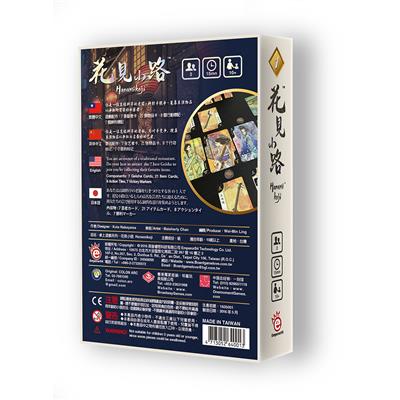
Four actions decide a quiet majority contest
Hanamikoji gives two players a small hand of item cards and four action types to use once each during a round. Some cards stay private until later, some are removed, and others are offered in choices that benefit both sides. At the end, item majorities determine which artists favor each player.
B3 recommends it for a pair that enjoys subtle allocation and uncomfortable offers. The central pleasure is choosing what an opponent may take, not constructing a large engine or moving armies across a map.
You divide the options; the opponent chooses
One action presents three cards from which the opponent takes one, leaving the others for you. Another divides four cards into two pairs, with the opponent choosing a pair. A secret commitment and a discard action give you ways to shape the final distribution without revealing everything immediately.
Every action has to fit the same hand. Spending a useful card in an offer changes what remains available for your private commitment. The round is a connected allocation puzzle rather than four unrelated opportunities.
A tempting offer needs a tolerable second choice
Imagine offering a card your opponent clearly wants alongside two cards that would strengthen a different part of their position. You may hope they take the obvious prize, but must be comfortable with the alternative. This invented example illustrates the logic without prescribing a particular deal.
A strong offer gives you a worthwhile result whichever option is chosen. That does not mean making every choice equal. You can invite a mistake, but a plan that depends entirely on the opponent making it is fragile.
Watch influence, not only card values
Winning several lower-valued artists and winning a smaller group of high-valued ones are different paths toward the victory requirements. A single item can matter greatly when it changes a close majority, and barely matter when added to a position already securely held.
Ties and existing favor have particular rules, so resolve them precisely. The state carried between rounds can change how much investment a contested artist needs. A first teach should show a tied example as well as an uncomplicated majority.
Short does not mean obvious
Hidden information prevents a perfect calculation from public cards alone. You infer priorities from offers and commitments, while accepting that a concealed card can change the final result. That makes it more intimate and uncertain than a fully open abstract duel.
Begin with the original game's four actions and clear scoring reference. Check the package's language and edition; Hanamikoji: Geisha's Road is a separate standalone design. Choose Hanamikoji for a small, thoughtful contest that rewards rematches. It is a weaker fit if the pair wants frequent spectacular effects or dislikes giving an opponent useful cards as part of nearly every plan.
Product and rules reference: publisher or edition information. Examples illustrate choices and do not describe a claimed play session.
Find the game
As an Amazon Associate, B3 earns from qualifying purchases.
Compare Hanamikoji listings on Amazon — check the edition, language, contents, and seller.