Cooperative Horror or Hidden Betrayal: Which Game Fits Your Group?
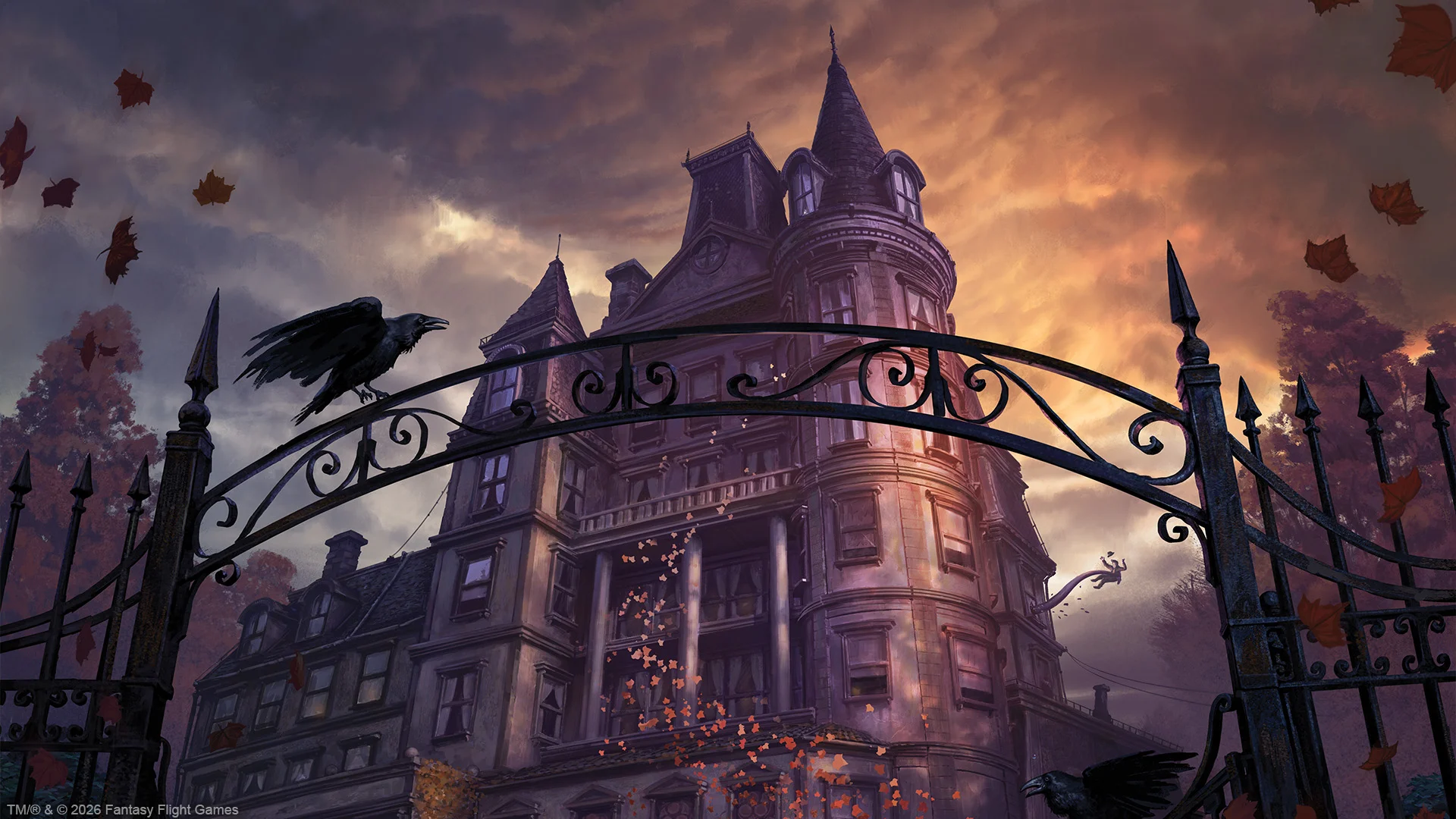
A horror game can put everyone against a shared threat or make the people around the table part of the uncertainty. Those experiences create different kinds of tension. Choose the social arrangement first; the haunted artwork can come second.
For a mixed group, I would describe the basic promise in the invitation. “We all try to stop the monsters together” and “the objectives may divide us during play” help people decide whether they want the evening. A scenario surprise is more enjoyable when it happens inside an agreed kind of game.
Open cooperation: a problem everyone can discuss

In Horrified: Universal Monsters, the team deals with monster-specific objectives and a changing town situation. Players can discuss priorities openly and distribute the work.
That suits friends who like coordinating rather than questioning one another's honesty. The interesting tension is whether limited actions and resources are enough to address several threats.
An original decision might ask whether one hero finishes collecting items for an objective while another protects a threatened civilian. The group is not trying to determine which player secretly wants the civilian harmed. Both people are choosing how to help.
App-led cooperation: shared discovery
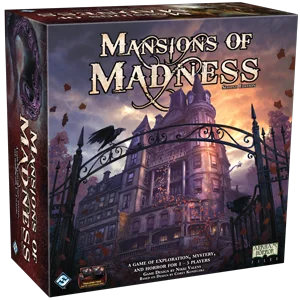
Mansions of Madness Second Edition uses an app to manage mystery and exploration while players cooperate. Unknown information comes from the unfolding scenario rather than an opposing player controlling the entire experience.
Choose it when investigation, locations, and discoveries matter more than a compact tactical puzzle. Check device requirements and scenario length before treating the app as an automatic simplification.
This structure is useful for friends who want to explore together without assigning one guest to run the threat. It still asks the players to learn their actions and manage the scenario's demands.
Changing objectives: betrayal after exploration

Betrayal at House on the Hill, Third Edition begins with exploring a shared house, then a haunt changes the situation and may divide the players. The new objectives can create a dramatic turn rather than a hidden enemy acting the same way from the beginning.
Choose it for a group comfortable with that transition and with reading new instructions partway through play. It is a weaker choice when someone wants the full set of relevant rules understood before the first turn.
Give each side time to learn what it can do. A tense reveal loses its value if one participant spends the rest of the evening apologizing for not understanding a scenario-specific procedure.
Hidden roles: people become evidence

Games such as The Resistance: Avalon make claims, votes, and mission outcomes central to the puzzle. Players may need to lie and accuse one another within the game.
Choose this structure when that conversation is the main attraction. It is not a shortcut to a cooperative horror adventure. A person who enjoys solving puzzles with friends may strongly dislike defending themselves against the same friends.
Check player count, hosting requirements, and whether anyone is removed from meaningful participation. Those features affect the whole evening, even if they occupy only a few lines in the product description.
Cooperation also needs good hosting
Open information can allow an experienced player to direct everyone else. Before giving advice, ask what the active player wants to do. Shared victory should not mean only one person gets to make decisions.
In a deception game, preserve the distinction between questioning a claim and insulting a participant. Rules questions remain welcome. Confusion about a role should not be exploited as though it were a clever bluff.
These are ordinary hosting choices, but they can determine whether people want to play again more than the strength of the game's monster theme.
A practical selection method
For two people, begin with supported cooperative games rather than trying to manufacture a social-deduction group. For a tired gathering with mixed experience, choose a clear shared threat. For friends who already love bluffing, consider a hidden-role evening. For a group that enjoys surprise objectives, investigate a haunt-based game.
Neither cooperation nor betrayal makes a game inherently more sophisticated. The right choice is the one whose tension your friends want to create together tonight.