10 Spooky Board Games for Halloween Night
A spooky board-game night can mean friendly monster hunting, eerie picture interpretation, or a desperate escape. I would choose the interaction first. A haunted cover cannot make bluffing enjoyable for someone who hates being accused, or a long scenario comfortable for a group expecting ten-minute rounds.
These ten games cover different versions of Halloween. Start with one main game and, if useful, one short alternative.
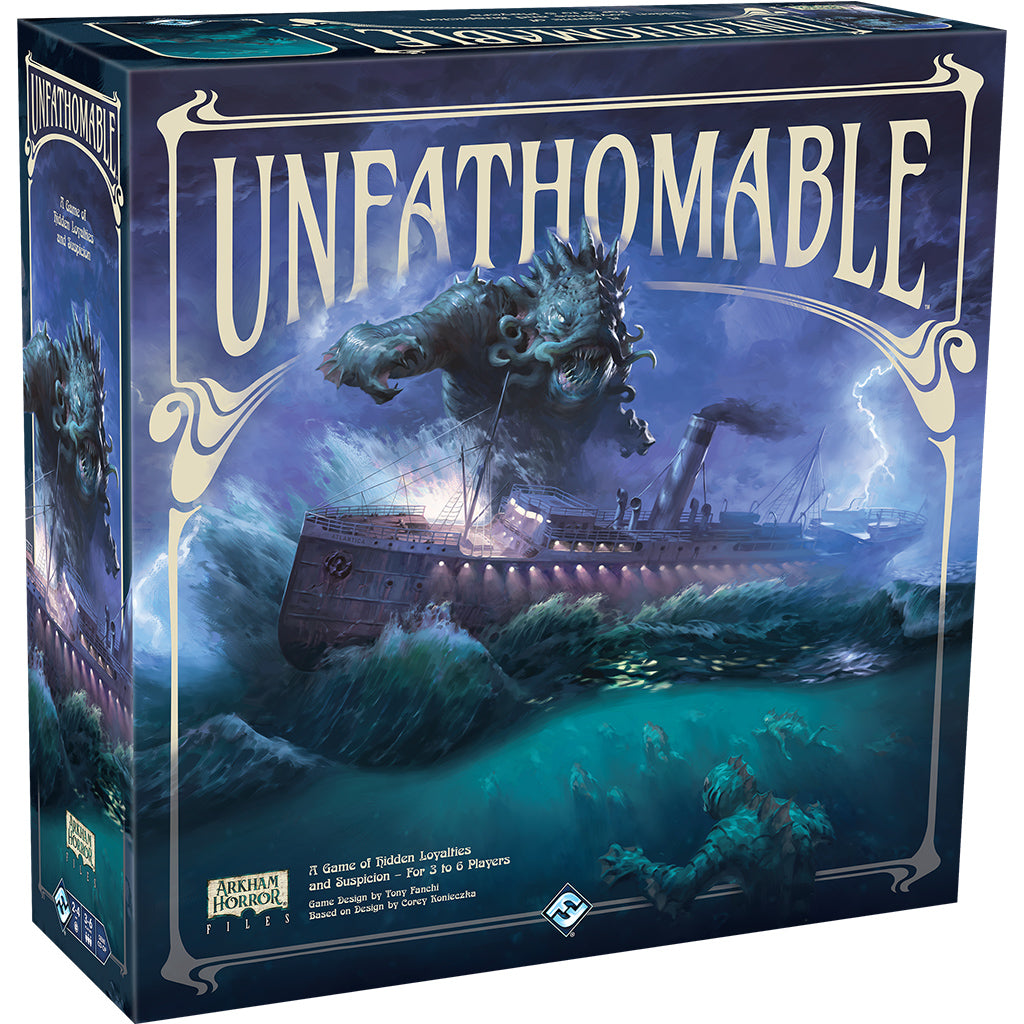
1. Unfathomable — monsters and mistrust at sea
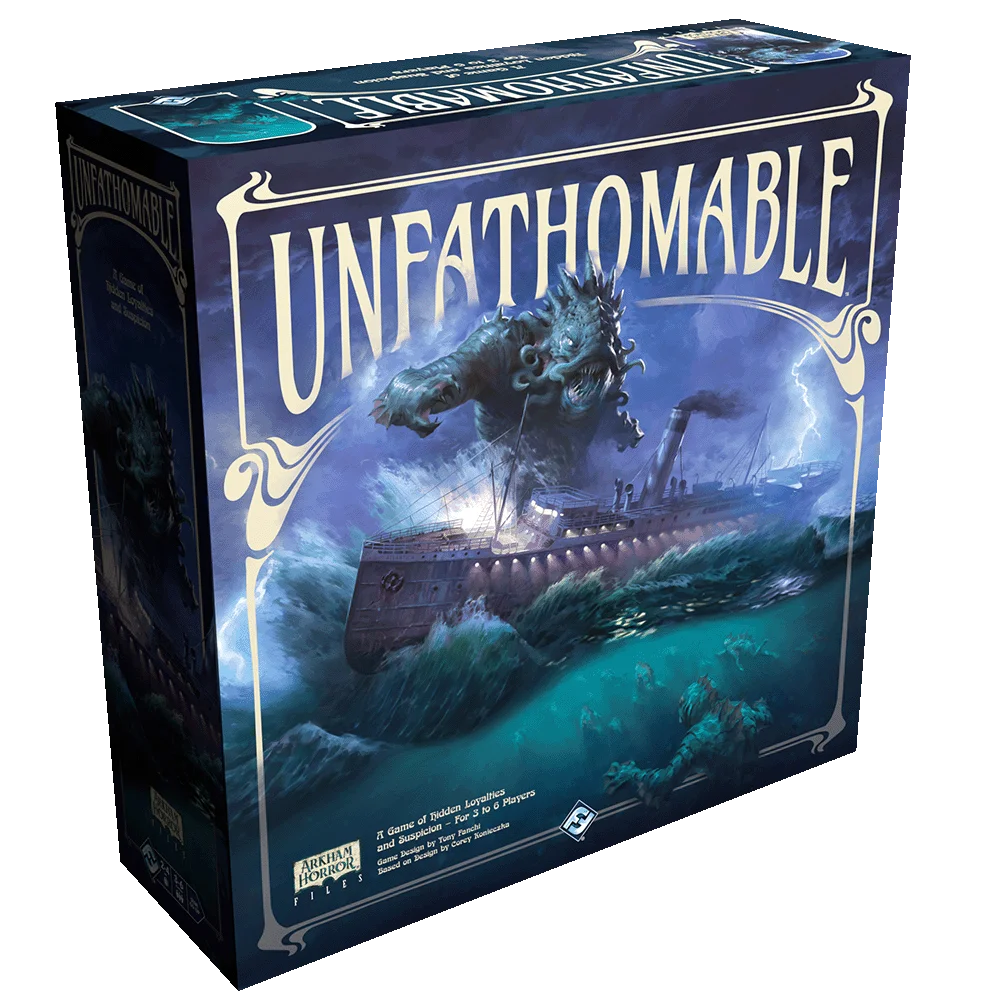
A threatened steamship gives players urgent problems while hidden hybrids may sabotage the voyage. Choose it for a substantial horror evening where interpreting a failed skill check is as important as responding to creatures on deck.
This is a demanding hidden-loyalty game for three to six players, rather than an introductory family monster hunt. Agree that bluffing and suspicion are welcome, learn the ship systems beforehand, and reserve a full evening. Read the base-game requirements before considering expansions.
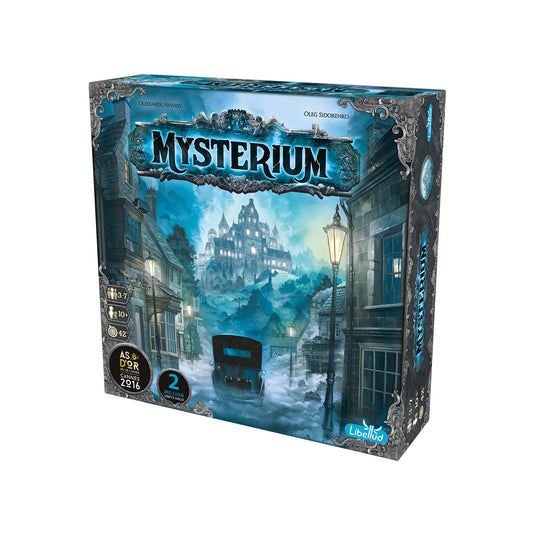
2. Mysterium
Read the full Mysterium review and buying guide →
A silent ghost communicates through surreal vision cards while psychics interpret the clues. Choose it when discussing images is the activity your group wants.
The séance setting supplies atmosphere, but it is not a scripted murder-mystery party. Missed associations are part of the game. Good lighting matters more than making the room dramatically dark.
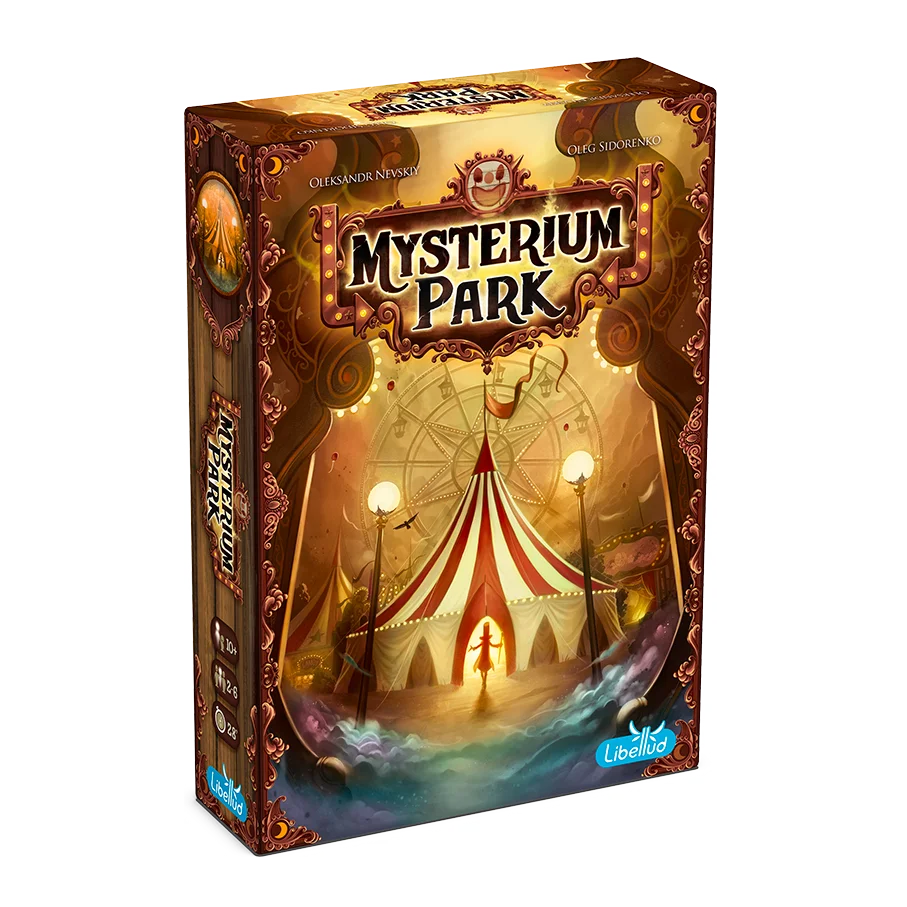
3. Mysterium Park
Read the Mysterium Park guide: gameplay, examples, and buying advice →
A standalone fairground variation on the vision-card idea. I would investigate this first for a shorter invitation or a group that wants less elaborate setup.
You do not need the standard manor game to play it. Buy the version whose structure suits the evening rather than treating the smaller box as missing content from another purchase.
4. Betrayal at House on the Hill, Third Edition

Read the full Betrayal at House on the Hill Third Edition review and buying guide →
Explore a house that grows through room tiles, then discover which haunt changes the situation. Choose it for people who welcome a dramatic transition and scenario-specific objectives.
Plan a reading break when the haunt begins. It is a poor fit if interruptions are constant or the group expects a carefully balanced tactical contest with little randomness.
5. The Night Cage
Read the The Night Cage guide: gameplay, examples, and buying advice →
Cooperate inside a labyrinth where candlelight reveals nearby passages and paths disappear into darkness as the players move. The changing visibility makes darkness part of the puzzle.
I would choose it for concentrated tension and spatial decisions. Do not pitch it as a casual backdrop to unrelated conversation. Check the player-count rules for the printing you buy.
6. One Night Ultimate Werewolf
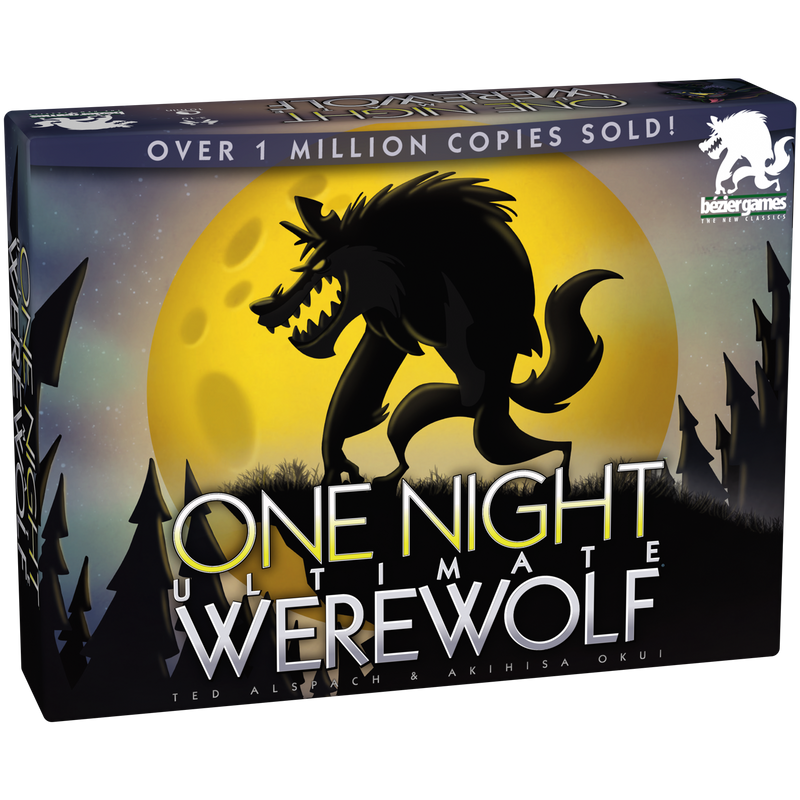
Read the One Night Ultimate Werewolf guide: gameplay, examples, and buying advice →
Secret roles, a night phase, and a short discussion culminate in a vote. Players stay involved through the round rather than sitting out after an early elimination.
Choose it for a group that enjoys bluffing and challenging stories. Use the role instructions carefully, and make sure accusations remain about the game. The spooky theme will not fix a dislike of social deduction.
7. Similo: Spookies

Read the Similo: Spookies guide: gameplay, examples, and buying advice →
One clue giver uses illustrated cards to help the group identify a secret character by interpreting similarities and differences. The horror-themed deck gives the associations a seasonal flavor.
This is my compact option when you want cooperative guessing without a large board. Invite different interpretations before removing a card; the confident guesser should not become the entire team.
8. Ghost Fightin' Treasure Hunters, Anniversary Edition

In its cooperative mode, players retrieve eight treasure jewels and escape before the house becomes fully haunted. The Anniversary Edition also includes another mode, so teach the one you intend to play.
I would consider it for a family table seeking playful ghost trouble rather than adult horror. Read the exact edition's rules instead of importing assumptions from an older box.
9. Escape the Dark Castle
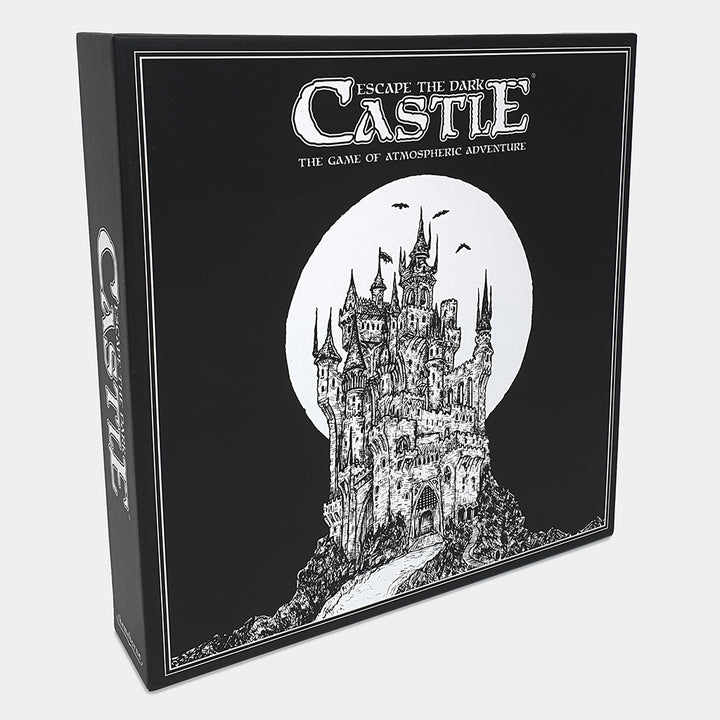
Read the Escape the Dark Castle guide: gameplay, examples, and buying advice →
Prisoners face illustrated chapter cards and use dice and items to survive the castle's challenges. Choose it for friends interested in a cooperative sequence of ominous encounters.
The attraction is the next chapter's uncertainty, not control over a sprawling exploration map. Decide whether that dice-driven danger sounds exciting to the group before buying for its art alone.
10. Don't Go In There
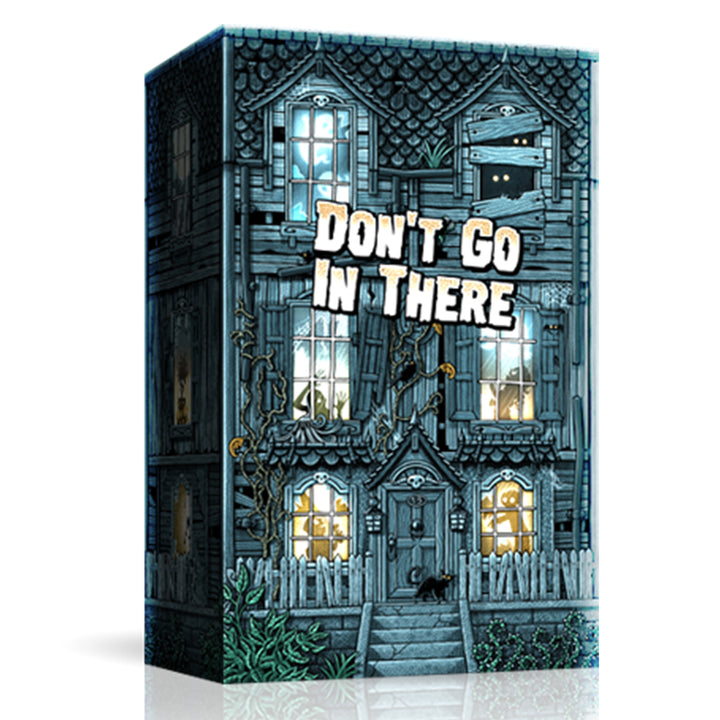
Read the Don’t Go In There guide: gameplay, examples, and buying advice →
Players choose positions in haunted rooms, balancing access to cursed items against the ghosts they risk attracting. Collecting the right items can dispel curses; the fewest curses wins.
I would choose it for a competitive risk-and-reward puzzle in a spooky wrapper. It is a different invitation from working together to rescue everyone, so explain the competitive objective early.
Build the evening around one promise
For friendly cooperation, start with Ghost Fightin' Treasure Hunters. For a longer night of monsters and mistrust, investigate Unfathomable. For pictures and conversation, investigate Mysterium or Similo. For sharper tension, look at The Night Cage, Betrayal, or Escape the Dark Castle.
Clear enough table space, teach before the atmosphere gets distracting, and allow people to opt into the game that interests them. A successful Halloween night needs a box your friends want to play more than it needs another prop.
Related B3 reading
Find the book or game
As an Amazon Associate, B3 earns from qualifying purchases.