Romantasy in D&D — Build Bonds That Change the Adventure
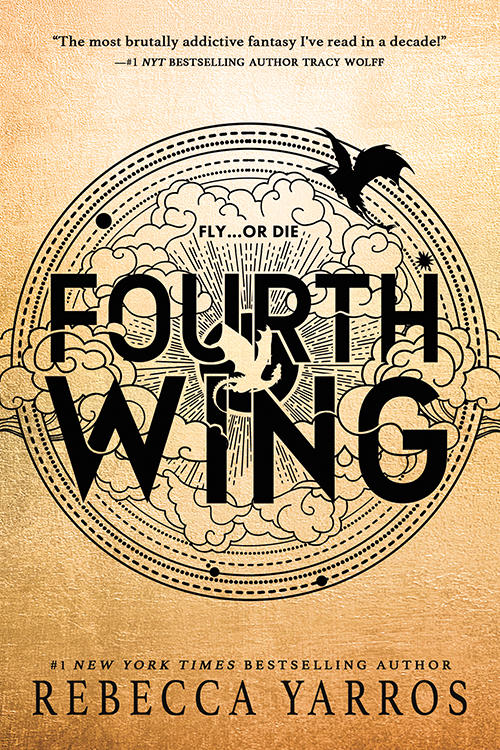
Rebecca Yarros's Fourth Wing makes fantasy danger personal. Violet Sorrengail expected a future among scribes, but she is pushed into the dragonrider training of Basgiath War College. Her physical vulnerability, the competitive environment, dragon bonds, and developing romance all affect how she navigates that institution.
That combination explains the book's usefulness as campaign inspiration. Relationships are entangled with survival and power. Trust changes whom Violet can rely on, while the institution makes reliance risky. The novel includes adult sexual content and violence; a dragonrider premise alone does not describe its tone.
For D&D, the useful question is how to make a relationship change an adventure. Recreating Violet's plot is less valuable than giving players bonds that influence their own decisions. The suggestions below are original campaign material, not an official adaptation.
Decide what the group wants on screen
Romance needs willing participants. Before introducing it, agree on whether the game includes flirting, established relationships, sexual content, jealousy, or none of those. Friendship, family ties, mentorship, and loyalty can provide the same kind of personal stakes for players who do not want romantic scenes.
An NPC's attraction should be an invitation the player can decline. A Charisma check should not decide another player character's feelings. If a relationship stops being enjoyable, let it change or end without making that choice a punishment.
Give each bond a practical consequence
A relationship matters when it affects access, obligations, information, or risk. A former rival might know a safe route through enemy territory. A mentor could ask the party to recover evidence that would damage the mentor's reputation. A partner might support the mission while disagreeing with the way it is being carried out.
Write three details for a recurring NPC: what they want, what they can offer, and what they will not accept. This gives them a position beyond admiring the protagonist. It also creates scenes where conversation can change the plan.
Build a rescue around conflicting promises
Here is a simple adventure framework. The party has promised to escort refugees through a mountain pass before a storm. A character then learns that someone important to them is trapped in a nearby watchtower. The detour threatens the escort's timetable.
Offer several viable approaches: negotiate for another escort, split resources, signal the tower, or risk the detour together. Reveal the likely costs before the decision. The interesting scene is the party discussing obligations, rather than the GM secretly deciding that only one choice proves love.
Afterward, let consequences be specific. Refugees might lose supplies rather than all dying off screen. The rescued person may be grateful but angry that others were endangered. Relationships gain depth when people can have mixed reactions.
Make a dragon a participant
The rider-and-dragon bond is a strong borrowing from Fourth Wing, but a speaking dragon should have preferences and judgment. It might refuse a needless attack, recognize an approaching magical danger, or insist on rescuing another dragon before transporting treasure.
Agree on how much authority that companion has. If the dragon can veto every plan, the player loses agency. If it always agrees, the bond becomes decoration. Give it reasons the party can understand and disputes that allow negotiation. Use suitable D&D mechanics separately; a literary bond does not automatically grant balanced class features.
Keep the wider party involved
A private relationship scene should create something the rest of the group can act on: a new lead, a changed deadline, a difficult favor. Rotate attention and allow characters without romantic plots to have equally important bonds.
Institutional pressure also belongs to everyone. A dragonrider academy can contain alliances, scarce resources, dangerous evaluations, and conflicting duties without copying the novel's cast. Let players decide whom their characters become inside it.
Romantasy works best at the table when affection makes choices more meaningful. Give bonds a history, NPCs their own needs, and players room to refuse or renegotiate. Then the adventure can carry emotional stakes without requiring anyone to perform a predetermined romance.
Find the book or game
As an Amazon Associate, B3 earns from qualifying purchases.