The Goblin Emperor — Kindness Has Political Consequences
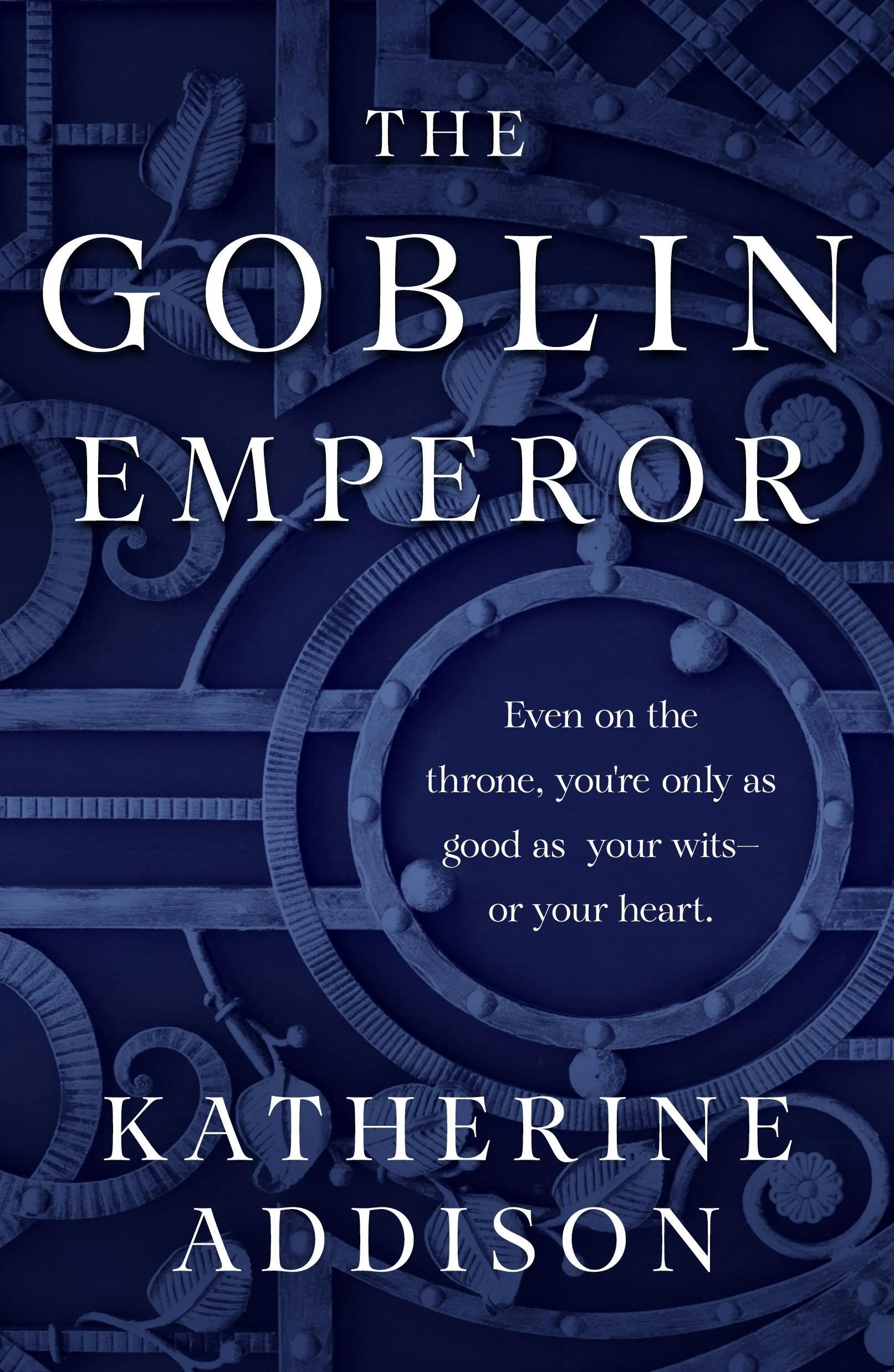
Maia becomes emperor before he knows how to inhabit a court. Rank gives him authority, but little preparation for recognizing motives, navigating etiquette, or deciding whom to trust. The Goblin Emperor builds its political fantasy around that imbalance.
Katherine Addison's novel is appealing because decency is a decision under pressure. Maia's wish to treat people well does not remove difficult institutions or conflicting demands. It changes how he tries to work within them.
The succession gives him no comfortable entry
Maia, the youngest half-goblin son, has lived away from the imperial court. The deaths of his father and the sons ahead of him abruptly make him the surviving heir. Arrival brings responsibility, scrutiny, and danger rather than an uncomplicated rescue from exile.
His lack of experience is the useful reader perspective. Titles and customs must be learned because they affect what people can do. A polite request can contain a demand. A delay can allow somebody else to consolidate influence.
The opening's concern with travel, coronation, and who controls the timetable establishes that power has procedures. Becoming emperor is not the same as knowing which order matters first.
Kindness has practical consequences
Maia's central appeal is his effort to avoid reproducing the cruelty he has known. That makes small interactions meaningful. How he speaks, whom he hears, and when he admits ignorance can influence relationships.
The novel does not need every act of kindness to solve a problem instantly. Its interest lies in the difference between being powerful and using power responsibly. Trust develops through repeated decisions rather than one declaration that the ruler is good.
That focus gives the story emotional warmth without making the court harmless. Readers who associate political fantasy only with cynical cleverness may appreciate the alternative. Readers who want constant ruthless maneuvering may find Maia's interior uncertainty a different rhythm than expected.
Etiquette is part of the texture
Invented names, forms of address, and institutions create an initial learning demand. They also make the court feel like a place that existed before Maia arrived. The language contributes to his sense of being surrounded by rules he did not choose.
Give yourself permission not to master every proper noun immediately. Follow the relationship: who is speaking, what they want, and how Maia responds. Recurring figures become clearer through their roles.
Sampling the opening is useful. If formal language and court protocol feel intriguing, they are part of the reward. If they feel like an obstacle you cannot tolerate, the book's virtues may not overcome that mismatch.
Expect a court-centered story
The tension often comes through meetings, obligations, uncertainty, and the consequences of a decision. This is not primarily an expedition across a map or a continuous battle campaign.
That concentration can make a conversation feel important because access to the emperor itself has value. It can also feel slow to someone waiting for the story to leave the palace. Choose it for people and institutions rather than a promise of constant spectacle.
The emotional question is whether Maia can find support without abandoning his principles. The political question is how those principles survive decisions whose effects reach people he cannot personally know.
Where to go afterward
The related books about Celehar return to the same world with a different focus. They should not be approached as simply continuing Maia's throne-room story in an identical form. Their investigative perspective provides another route through the setting.
The Goblin Emperor can be read for its own arc. You do not need to purchase the entire connected sequence before deciding whether Addison's world suits you.
B3's verdict
Choose this novel for thoughtful political fantasy, formal worldbuilding, and a protagonist whose decency requires effort. Expect a patient adjustment to names and protocol.
Its strongest idea is that kindness matters most when it has to guide a real decision. Maia's authority gives him the ability to act; the story asks what kind of person he wants that action to reveal.
Find the book or game
As an Amazon Associate, B3 earns from qualifying purchases.