What Board Games Can Teach Novelists About Conflict and Consequences

Board games are useful to novelists because they expose the machinery of a decision. You can see what somebody wants, what they can spend, what information they lack, and how another person's action changes their options.
A novel does not need to resemble a game or display its rules. But a scene often becomes stronger when the writer understands those underlying pressures. “The characters argue” is an event. “One needs a promise the other cannot safely make” is a conflict.
Here are six lessons I would take from board games, each followed by an original writing exercise. The exercises are not plot descriptions of the games; they translate a type of decision into a scene you can make your own.
Cosmic Encounter: make an alliance useful to both sides
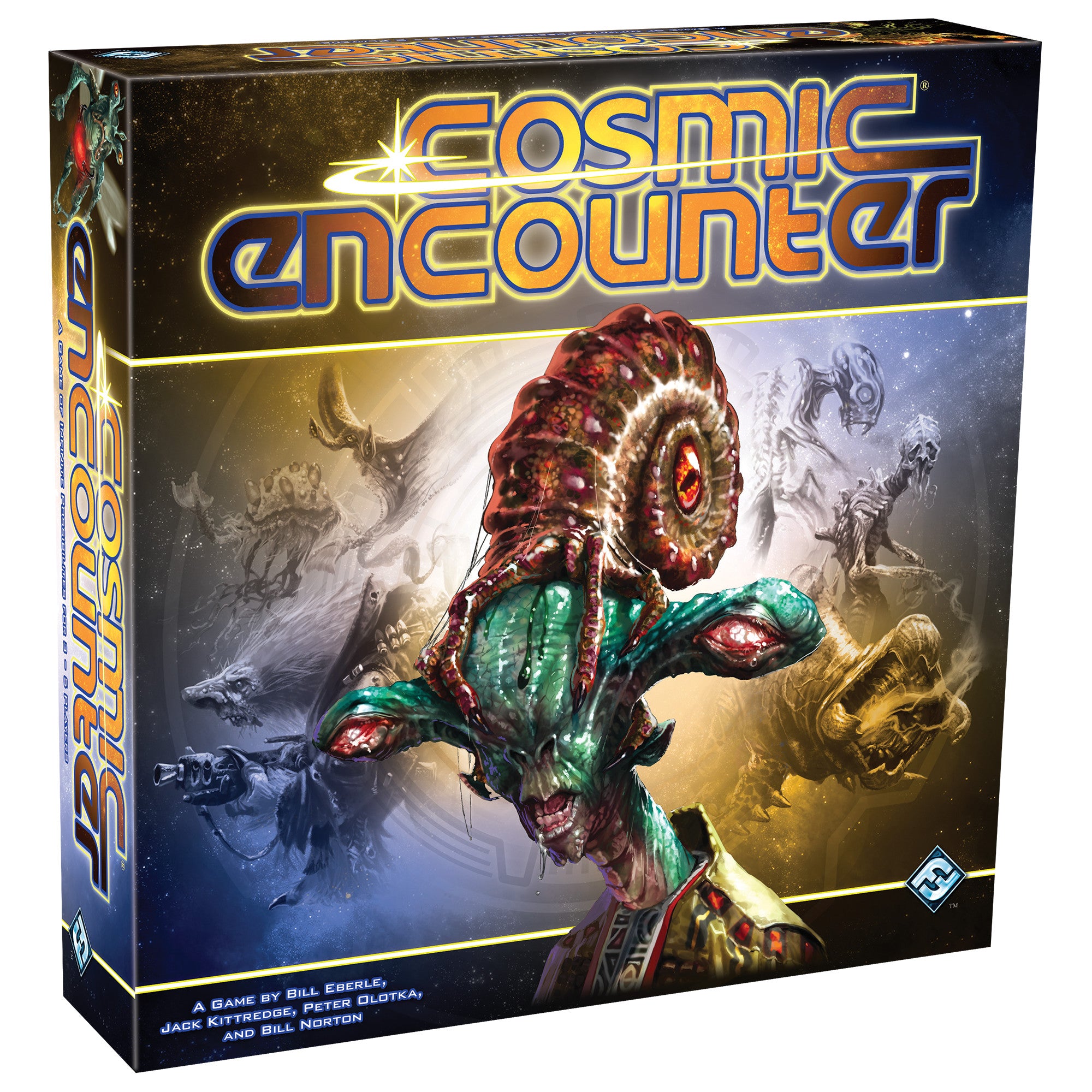
Cosmic Encounter makes alliances immediate and conditional. During an encounter, the main players may invite allies; helping can offer a route toward an alien’s own goals rather than simply express friendship. An ally has a reason to participate and a reason to ask whether the other side is getting too close to victory.
That is a useful model for fiction: two people can sincerely cooperate without sharing the same future. Give each participant something specific to gain now and a condition that would make the partnership less attractive later. Distinct alien powers also show how unequal capabilities change what each party can offer.
Exercise: two rival harbor towns cooperate to clear a blocked channel. One needs food shipments; the other needs an army transported. Once the channel opens, that army will threaten the first town’s ally. Write the negotiation without allowing either negotiator to lie. Give them different proposed deadlines and let the disagreement appear through those terms.
Revision question: can a reader explain why each person accepts the agreement? If only one side gains anything plausible, the scene needs a stronger motive for the other.
Nemesis: uncertainty changes the value of cooperation

Nemesis is a useful reference for tension involving danger and uncertain motives. For a novelist, the transferable tool is not a parade of surprise traitors. It is the way incomplete information changes how much trust a character can afford.
A helpful action can have more than one explanation. Someone who repairs an escape route may be protecting the group, securing their own exit, or steering people toward a place they control. The action remains real even while its meaning is unclear.
Exercise: three people must cross a damaged station before its doors lock. One insists on retrieving a sealed case. Write a scene in which the case could plausibly contain medicine, evidence, or something valuable to that person alone. Give the viewpoint character one observation that supports each explanation. End with a decision about whether to help, not a revelation that immediately settles everything.
Revision question: is the uncertainty about motive, or are you withholding basic facts the viewpoint character would naturally know? The former creates tension; the latter can feel like concealment by the author.
The Grizzled: make helping someone cost something

The Grizzled makes mutual support part of surviving together. Players face threats, decide when to withdraw, and direct limited support toward companions. For a novelist, the useful idea is that solidarity becomes visible through a difficult decision rather than a speech about loyalty.
A helpful character should have something to give up: time, safety, an opportunity, or the chance to recover themselves. That does not make every act selfish or transactional. It lets the reader understand why the act matters. Help is especially revealing when the person receiving it cannot immediately repay the favor.
Exercise: three exhausted volunteers have one working radio and enough battery for one long call. One needs to contact family, one wants medical instructions, and one has information that could bring help tomorrow. Write the choice without allowing a convenient spare battery to appear. Let the person who gives up their call react with mixed feelings rather than instant moral perfection.
Revision question: what changes because the character helped? If the gesture costs nothing and leaves every option open, give it a practical consequence. The example is an original writing prompt, not a scene from the game.
Pax Pamir: let an alliance change what a character needs
Read our complete Pax Pamir Second Edition gameplay and buying guide →

Pax Pamir: Second Edition places Afghan leaders in a contest shaped by shifting coalitions. Court cards provide capabilities, while allegiance and influence affect who benefits from a coalition’s success. The useful writing lesson is that helping a faction gain ground does not automatically put your character in a good position inside it.
A political alliance becomes more interesting when its members need different things from the same victory. A character may help strengthen an ally, then discover that the ally can now ignore them. A change of allegiance can follow a change in leverage without requiring an unexplained personality reversal.
Exercise: write a scene in which three local leaders support the same powerful patron. Give one a need for protection, another a debt, and the third a rival within the alliance. Introduce a concession that helps the coalition but weakens one member’s influence. Let each person respond to the actual terms, not deliver a speech about loyalty in the abstract.
Revision question: can the reader follow what changed between the first agreement and the final refusal? Borrow the structure of unstable incentives, not the historical setting as generic exotic scenery. The game concerns nineteenth-century Afghanistan; understanding that context matters when discussing it.
Pandemic Legacy: let consequences alter the next scene's options

Legacy play supplies a useful structural lesson: an outcome can change the conditions of later decisions. In fiction, a consequence is stronger when it affects what a character can attempt next, not merely how sad they feel about yesterday.
The connection should be causal and readable. A desperate rescue exposes a hidden route; now it cannot be used for escape. A public victory makes a character visible; now discreet negotiation is harder. The earlier success remains a success while creating a new difficulty.
Exercise: write a scene in which a character successfully obtains emergency help by revealing a false identity. Then outline the next three scenes with that identity unavailable. Do not revoke the rescue or declare the effort pointless. Let the benefit and the loss coexist.
Revision question: has the consequence changed access, trust, resources, or obligations? If it only adds another paragraph of regret, make at least one practical change visible.
Everdell: opportunity cost can create quiet conflict
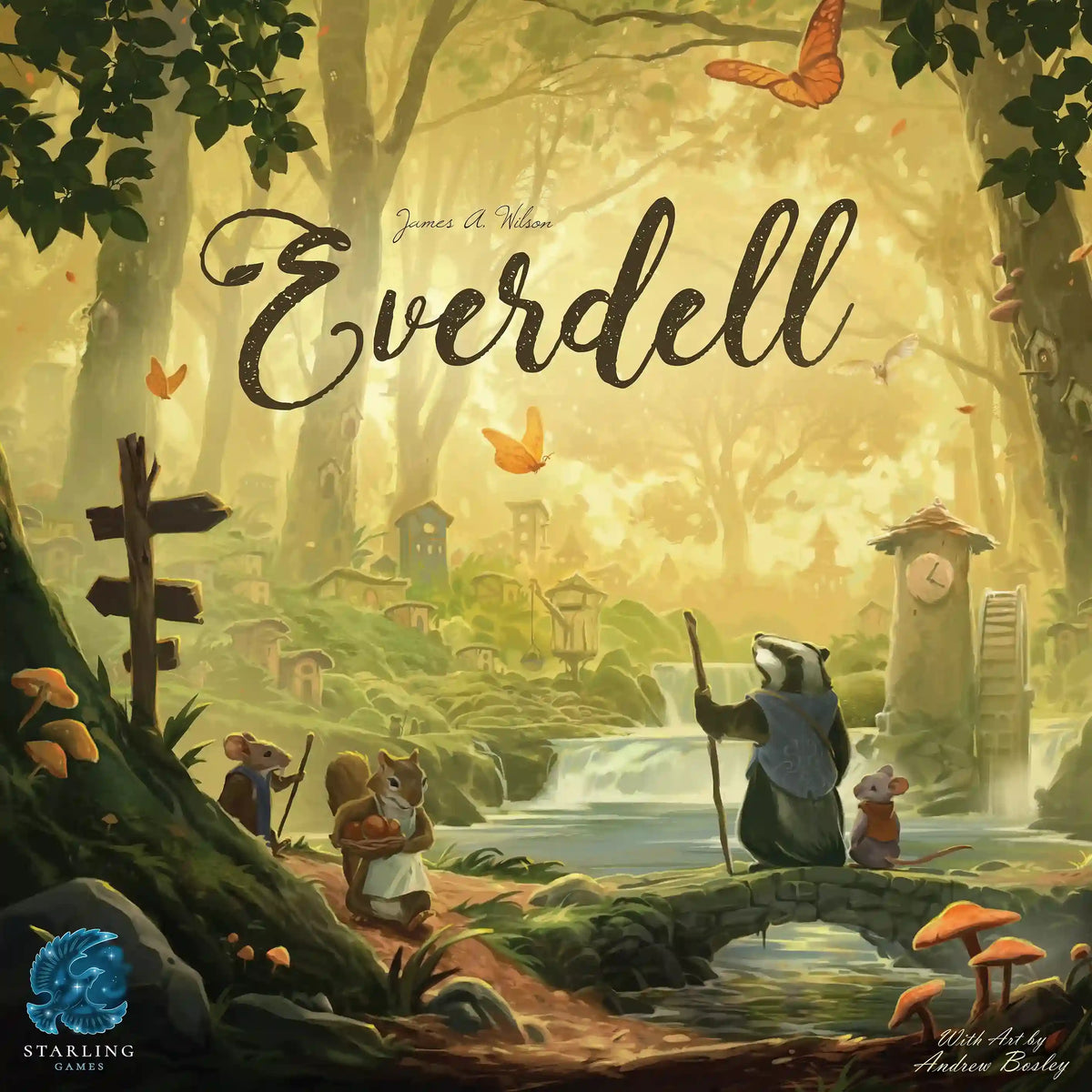
Not every compelling scene needs danger. A limited opportunity can make an ordinary decision consequential. A person can accept a job, finish a gift, or attend a difficult meeting, but not accomplish all three in the available time.
Games of planning and development, such as Everdell, encourage attention to what a choice makes unavailable. For fiction, that is a way to give domestic or professional decisions weight without inventing a villain.
Exercise: a craftsperson has one afternoon before leaving town. They can repair the community oven, complete a paid order that funds the journey, or meet an estranged sibling. Give each option a concrete benefit and a cost that cannot be fully repaired by an easy later promise. Write the moment of commitment and the first sign of what was relinquished.
Revision question: did you make one option so obviously superior that the others exist only as decoration? A meaningful choice needs at least two values the character cannot comfortably dismiss.
A scene check I would actually use
Before revising a flat scene, write five short answers: what does each person want, what can each offer or withhold, what remains uncertain, what choice is made, and what is different afterward?
If those answers are clear, you can hide the machinery inside gesture, dialogue, and action. If they are unclear, adding sharper dialogue may only make an inert scene sound busier.
Board games teach attention to the available decision. Fiction adds the inner life, language, and meaning that make the decision personal. The strongest scenes need both an understandable pressure and a person whose response is worth following.
Books and games mentioned
As an Amazon Associate I earn from qualifying purchases.
- Cosmic Encounter base game — Amazon search
- Nemesis board game — Amazon product listing
- The Grizzled original cooperative card game — Amazon search
- Search Amazon for Pax Pamir: Second Edition — check English core game
- Pandemic Legacy Season 1 — Amazon search
- Everdell — Amazon search
These exercises are original writing prompts, not summaries of the games’ plots. For the actual boxes, check edition, language, and contents; search links may also show expansions or related titles.
Browse our board-game guides or find your next game.